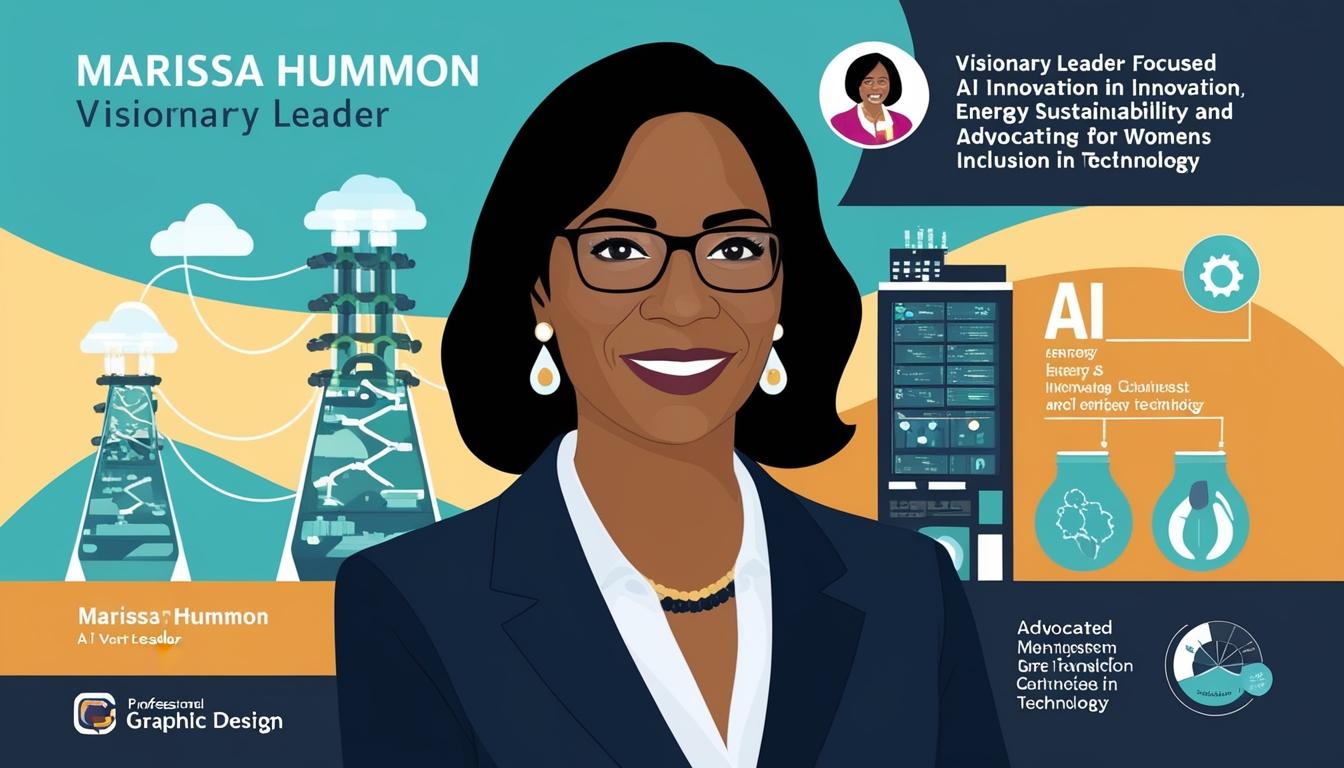
In a recent feature for TechCrunch’s Women in AI series, Marissa Hummon, Chief Technology Officer (CTO) at the energy company Utilidata, shared her perspectives on the transformative potential of artificial intelligence (AI) within the utility sector, as well as the unique challenges and opportunities for women in technology.
Currently spearheading innovation at Utilidata, Hummon is focused on leveraging AI to reshape the electric grid into a more sustainable, efficient network. She described her work as challenging the entrenched practices of the utility industry, positing that AI is a critical tool for developing a clean, modern, and reliable grid system that can better serve both consumers and businesses.
Hummon’s journey into the realm of energy and AI began at the National Renewable Energy Laboratory, where she concentrated on transitioning the energy industry from dependency on carbon-intensive solutions to cleaner alternatives. It was during her tenure there, at a time when traditional analytical methods fell short, that Hummon turned to numerical methods and machine learning to solve complex physics equations—a pioneering move for the industry in 2010.
Ascending the ranks of her field, Hummon transitioned to the energy company Tendril before assuming her role as CTO at Utilidata in 2018. Armed with a PhD in applied physics from Harvard University, she reflected on the stark gender disparity she observed upon entering the engineering landscape post-academia. Hummon acknowledged feeling the added pressure of rigorous expectations compared to her male counterparts.
As a leader, Hummon aims to champion systemic change within the workplace to bolster inclusivity and equity for women. She emphasized that the shift must span all levels, encompassing recruitment, mentoring, and equitable recognition. For women stepping into the world of AI, Hummon advised leveraging their unique perspective as a strength, and seeking employment with companies demonstrably committed to diversity and support for women and minorities.
In addition to her efforts supporting diversity, Hummon discussed the ethical dimensions of AI development. She underscored AI’s role as an augmentative tool rather than an all-encompassing solution, highlighting the importance of recognising its limitations and incorporating thorough checkpoints. She also stressed the significance of understanding the training origins of generative AI to pinpoint potential biases, noting that AI’s efficacy is directly tied to the quality of its training data.
Utilidata, under her guidance, prioritises data security and privacy through locally kept data and distributed AI computing. This strategy reduces the necessity of frequent data transmission to the cloud, thereby mitigating risks of security and privacy breaches.
For investors engaged with AI enterprises, Hummon advised a tailored approach to evaluating how companies intend to implement AI technologies, arguing for investment in responsible AI practices that are proportional to a company’s unique risks and complexities, rather than adhering to a one-size-fits-all approach.
Marissa Hummon’s insights offer a glimpse into the evolving role of AI in modernising utility infrastructure, while also highlighting the broader societal shifts needed to support diversity and ethical practices in the tech industry.
Source: Noah Wire Services