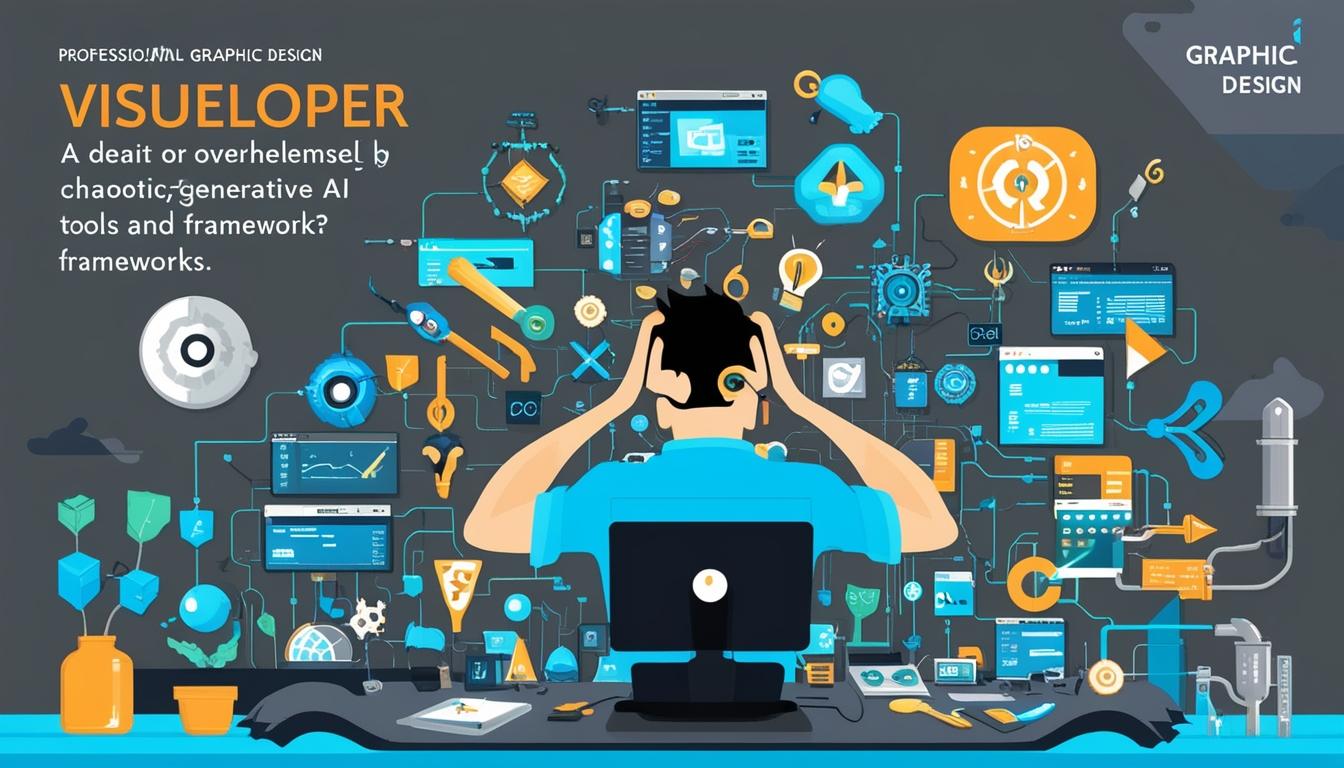
Amidst the rapidly evolving realm of technology, generative artificial intelligence (AI) has emerged as a focal point, sparking significant interest and enthusiasm among developers and tech enthusiasts. However, this surge in popularity has been accompanied by a feeling of being overwhelmed for many working within the industry. With a plethora of tools and frameworks available, the task of selecting the appropriate components to build generative AI applications has become a daunting endeavour for developers.
The core issue faced by developers is the challenge of beginning a project with an incomplete or outdated technological suite. This often results in unnecessary expenditure of time and resources on trial and error processes, detracting from actual project development. Given the fast-paced nature of technological advancements, ensuring that one’s tech stack is up-to-date and complete is critical to successfully harnessing the capabilities of generative AI.
Generative AI, which involves algorithms that can generate new, previously unseen content or data, has a variety of applications ranging from content creation, artistic expression, to complex problem-solving. The potential for groundbreaking innovations in these fields is significant, yet it requires a clear understanding of the critical components involved in a generative AI technology stack.
To alleviate the confusion surrounding this burgeoning field, experts and tech leaders are advocating for a simplified approach to understanding and implementing generative AI tools and frameworks. By dissecting the technology stack—comprising machine learning libraries, data processing frameworks, and model serving solutions—developers can more efficiently navigate the landscape and focus on developing impactful applications.
Key components of the generative AI technology stack include:
Machine Learning Frameworks: Libraries such as TensorFlow and PyTorch offer powerful tools for building machine learning models crucial for generative AI tasks. These frameworks support the creation of algorithms that can learn patterns and generate content based on training data.
Data Handling Tools: Efficient data processing and management are pivotal, as generative AI relies heavily on large datasets. Tools like Apache Spark and Apache Kafka are often used to manage streaming data and enable real-time data processing.
Model Serving Solutions: Once models are developed, services such as TensorFlow Serving or ONNX Runtime facilitate the deployment of AI models, making them accessible for production use.
Collaboration and Version Control Platforms: Platforms like GitHub and GitLab aid teams in collaborating effectively, allowing for seamless sharing and iteration on codebases involved in AI projects.
The overwhelming array of options can lead to decision paralysis for developers, deterring the initial progress on innovative AI projects. However, by providing a structured guide and clarifying the essential components of the technology stack, tech communities hope to empower developers. This structured clarity allows them to invest their efforts more strategically in building generative AI applications, ultimately unlocking the transformative potential of this technology in various sectors.
In summary, while the burgeoning interest in generative AI reiterates its importance and potential, it also highlights the need for clear guidance in technology implementation. By understanding the foundational components of a generative AI technology stack, developers can better equip themselves to navigate this complex landscape and drive forward innovation in the tech industry.
Source: Noah Wire Services