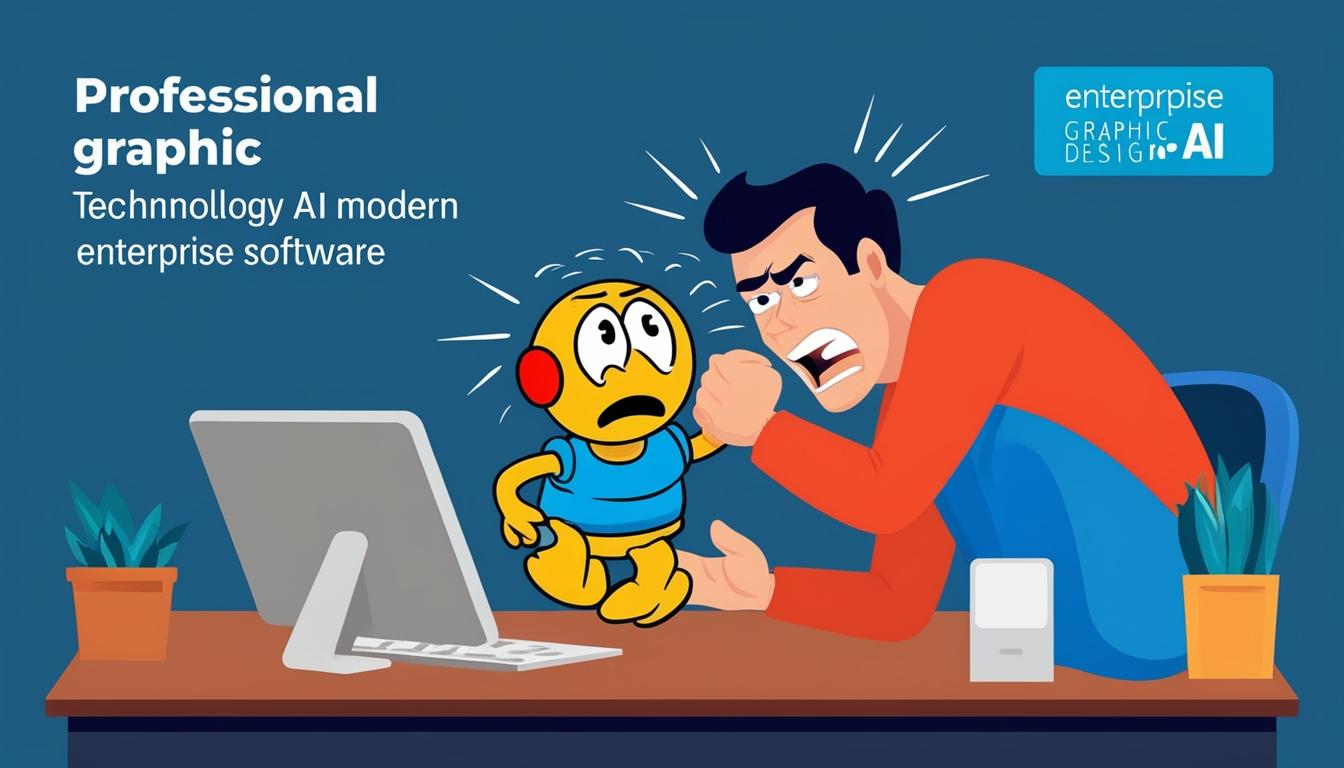
Salesforce CEO Marc Benioff has recently voiced significant criticism of Microsoft's AI-powered Copilot assistant, comparing it unfavourably to the infamous Clippy software of the past. Benioff, using the social media platform X, strongly conveyed his dissatisfaction with Copilot's lack of accuracy and functionality, labelling it disappointing and akin to the derided virtual assistant Clippy, rather than a revolutionary improvement in AI technology.
Microsoft's Copilot, launched last year, has been incorporated into a multitude of the company's enterprise and consumer products. Benioff argues that Copilot fails to meet expectations, suggesting that it does not deliver the transformation Microsoft promised to its users. According to Benioff, Copilot has proven to be faulty, with reported issues such as data mismanagement—which industry analyst firm Gartner describes as "spilling data everywhere"—leaving users to rectify resulting problems. Furthermore, he challenges the notion that users should be responsible for creating their own large language models (LLMs), a process which he finds impractical and ineffective.
The reference to "Clippy 2.0" evokes Microsoft's past attempt with Clippit, a virtual assistant designed for Microsoft Office in the late 1990s and early 2000s. Clippy became notable for its often-irritating presence, offering unsolicited advice that many users found more bothersome than helpful. Despite its playful visual design, Clippy was gradually phased out due to its unpopularity, though it has since become a nostalgic icon for many who remember it from the era.
Benioff's critique comes amidst intense competition between Salesforce and Microsoft, who are both heavily investing in AI advancements to enhance their software solutions. Salesforce, with its Customer Relationship Management (CRM) systems, is in direct rivalry with Microsoft’s Dynamics 365. Additionally, Salesforce-owned Slack competes against Microsoft Teams in the domain of workplace collaboration tools.
The ongoing competition is underscored by incidents such as Slack's anti-competition complaint to the European Commission concerning Microsoft's bundling of Teams with Office products. This tension was further amplified when The Walt Disney Company recently switched from Slack to using Microsoft Teams.
Despite Benioff’s critique, his views on AI continue to be somewhat sceptical, suggesting a larger debate over the promises and actual capabilities of AI technology. He has questioned the broader claims about AI's transformative potential, suggesting that the technology's purported benefits are often overstated.
In contrast, Salesforce and Slack have made their advancements in AI, notably with the recent integration of Agentforce into Slack. Formerly known as Einstein Copilot, Agentforce aims to enhance productivity by delivering actionable insights and task management directly within the Slack platform. This integration supports real-time insights and task assistance, thereby optimising workflows and improving efficiency for users.
Microsoft, reacting to earlier criticisms regarding user privacy with its Copilot product, has relaunched the "Recall" feature with enhanced security measures on its Copilot+ PCs. Originally criticised for storing detailed user activity, the Recall tool has been adjusted following feedback to alleviate privacy concerns.
The discourse around AI technologies like Copilot and their implementation reflects ongoing discussions about the pace, implications, and genuine utility of artificial intelligence in enterprise environments. As companies like Salesforce and Microsoft continue to innovate and compete, debates around the effectiveness and user impact of such technologies remain prevalent and contentious within the industry.
Source: Noah Wire Services