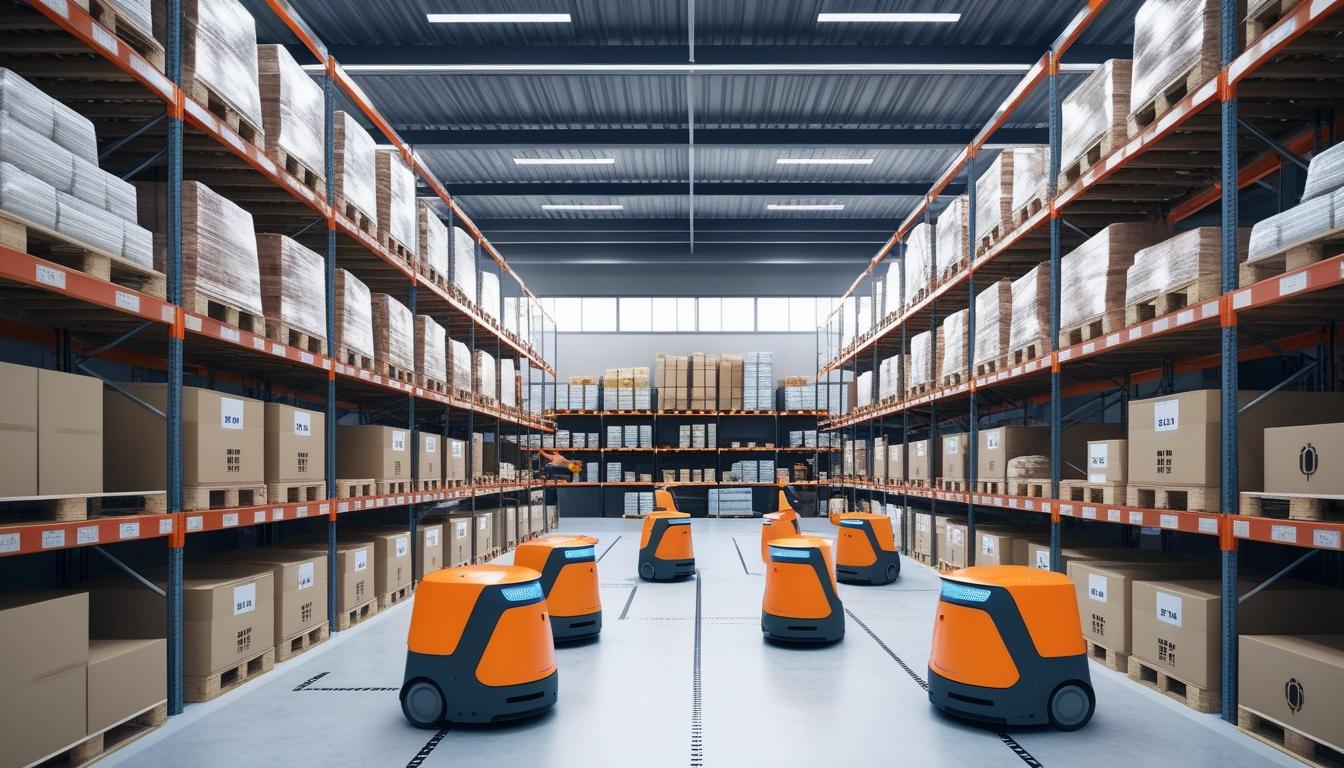
Warehouse Industry Embraces Automation and AI to Tackle Labour Shortages and Boost Efficiency
In response to ongoing challenges such as labour shortages and rising consumer demands, companies in the warehouse and logistics sectors are increasingly turning to automation and artificial intelligence (AI) to streamline operations and enhance efficiency. The shift towards these advanced technologies has become pivotal, especially in the wake of global disruptions and the rapid growth of e-commerce.
Brett Webster, Director of Product Management at Dematic, a globally recognised leader in supply chain automation technologies, has highlighted the transformative impact AI is already having on various operational settings. Webster notes that in today's evolving supply chain landscape, resilience is more of a necessity than a luxury. Companies are investing substantially in AI technologies to support autonomous supply chains by 2027, as found in a report by MHI and Deloitte, which indicates that 87% of companies foresee a future where intelligent supply chains become standard.
According to Webster, AI's current significant contributions lie in enhancing decision-making algorithms and optimising warehouse operations. As AI technology advances, the use of real-time data will become crucial to identify inefficiencies and automate tasks, ultimately easing labour demands in an industry struggling with personnel shortages. Additionally, AI is instrumental in predicting customer demand fluctuations, optimising inventory placement, and enhancing overall operational output.
The demand for automation has notably surged post-COVID-19, driven by changing consumer expectations, ranging from the need for quick delivery timeframes to sustainable business practices and omnichannel shopping preferences. This demand has led organisations to adopt automated solutions, such as Automated Guided Vehicles, Autonomous Mobile Robots (AMRs), and goods-to-person picking systems, as outlined by Mike Oren, SVP of Sales for the Americas at Dematic. These technological solutions are supported by advanced software systems that provide the necessary data and visibility to make informed decisions, accelerating fulfilment processes.
Kevin Heath, Dematic's Director of Global Robotics, emphasises the efficacy of these solutions through the work of the company’s Modernizations & Upgrades team. He cited the example of Radial, a third-party logistics provider in the Netherlands, which, due to growing e-commerce demand, automated its operations with nearly 300 AMRs, significantly enhancing picking and packing performance while reducing error rates.
The latest advancements have also prompted strategic partnerships in the sector. In a recent announcement, Kivnon, a prominent producer of mobile robots, teamed up with Macrovey, a leader in industrial equipment, to boost their market presence and operational capabilities in North America. Jaume Martinez, Managing Director of Kivnon USA, stated that the collaboration will allow for more efficient sales and installation processes of Kivnon's mobile robots, which integrate with higher-level management systems for better logistics operations.
The partnership aims to address the growing need for flexible, integrated automation solutions, facilitating improved efficiency and productivity in the U.S. manufacturing and logistics sectors. Kivnon’s products enable seamless communication with external fleet management systems, allowing businesses to manage mixed fleets of AGVs (automated guided vehicles) from different manufacturers more effectively.
Danny Pierce, Macrovey’s Director of Business Development, expressed that integrating Kivnon’s innovative products with Macrovey’s technology would meet increased demands for automation, thus providing enhanced value to customers across the industry.
Overall, the warehouse industry is witnessing a significant transformation as automation and AI technologies continue to advance. These innovations are becoming essential components in addressing labour shortages, optimising efficiency, and meeting evolving consumer expectations, shaping the future of logistics and supply chain management.
Source: Noah Wire Services