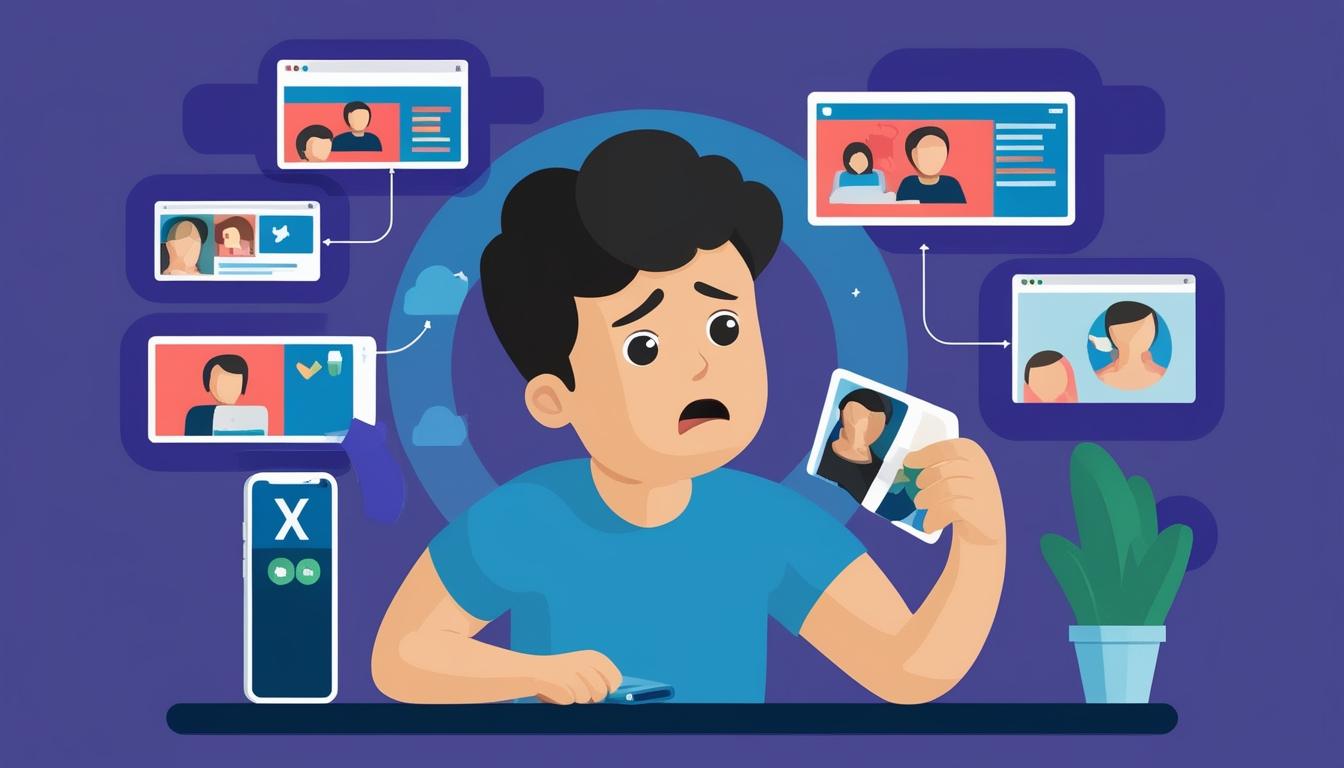
In a recent development, X, formerly known as Twitter, has rolled out updated terms of service that are set to take effect on 15 November. This update has instigated widespread discussion among users regarding data privacy and content usage, particularly concerning the training of artificial intelligence (AI) models.
At the core of the new terms is a provision that allows X to utilise user-generated content to train its machine learning and AI models. The terms state that by continuing to engage with the platform, users will grant X a worldwide, non-exclusive, royalty-free licence to make their content available globally. This includes rights to use and analyse the content for AI development purposes, a move that raises concerns for many creatives and privacy-conscious users of the platform.
The implications of such a policy have led to unease amongst artists and other professionals whose work may contribute to developing technologies that could potentially replace human creators. Concerns also extend to privacy invasion, as personal content shared via posts could be exploited in ways users had not anticipated. Some individuals have responded by preemptively removing personal images from their profiles.
In addition to the content usage rights, the new terms stipulate that any disputes arising from these changes will be adjudicated in the US District Court for the Northern District of Texas or in state courts located in Tarrant County, Texas. This choice of legal venue is noteworthy given that it differs significantly from the company’s new headquarters outside Austin and may influence legal proceedings.
Prior to this update, users had the option to opt out of data sharing for AI purposes through privacy settings under the 'Grok' option. However, it remains unclear whether the revised terms will preserve this ability. The language in the updated terms does not distinguish between different account types, unlike previous guidelines that excluded private accounts from AI data utilisation.
Alex Fink, CEO and founder of Otherweb, an AI-driven news reading platform, remarked on the clarity of X’s terms compared to other platforms often criticised for vague licensing agreements. Fink noted that while the terms might offer broad leeway, operational choices might still provide some user control, though this remains to be confirmed.
Grok, the AI chatbot associated with X, has already faced scrutiny for issues such as spreading misinformation and generating misleading content. This context adds layers to the ongoing debate over ethical AI development and data privacy, highlighting user concerns about how technological advancements are balanced with safeguarding individual rights.
As the effective date of these new terms approaches, stakeholders, from everyday users to legal experts, are closely monitoring potential implications. The reactions and actions of those impacted by the policy update will likely contribute important perspectives to the ongoing discourse on AI and digital privacy rights.
Source: Noah Wire Services