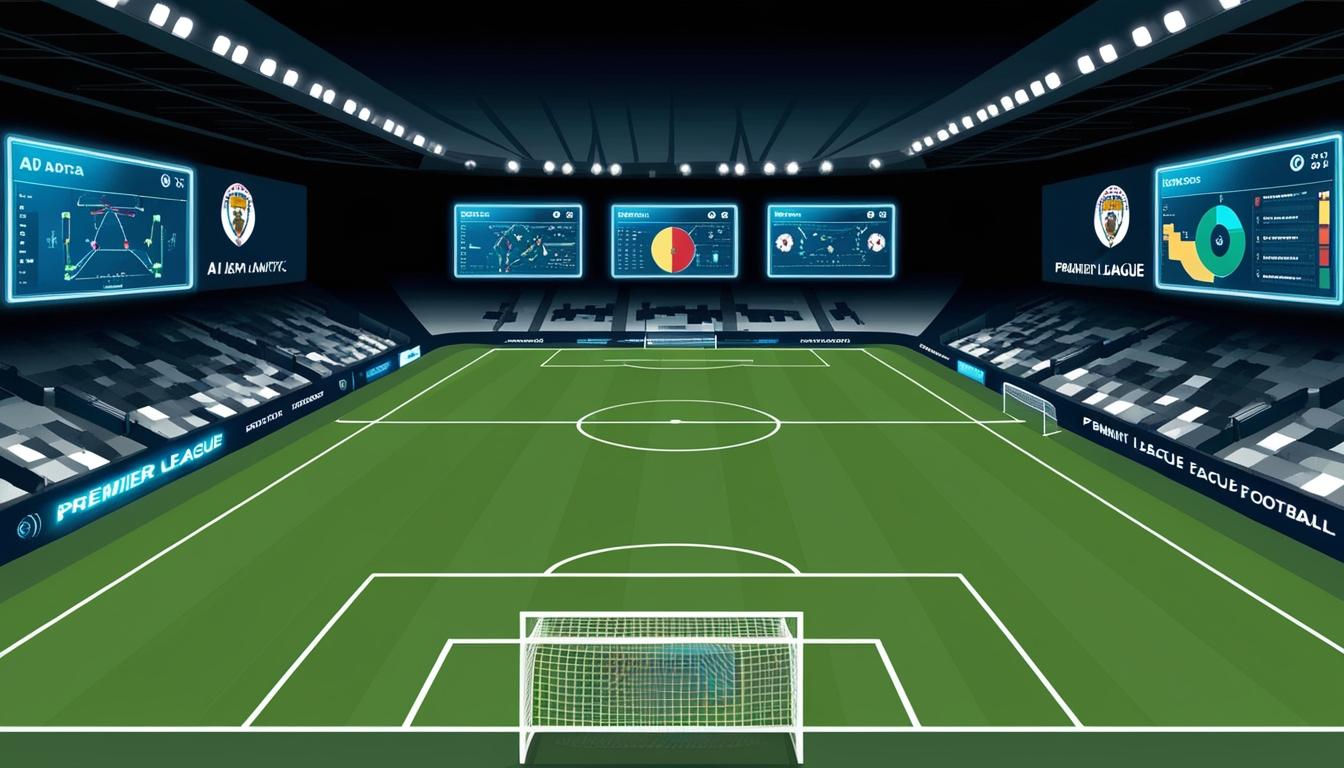
Artificial Intelligence (AI) is carving out a pivotal role in the Premier League, transforming various aspects of football management and fan engagement. As top-level clubs seek every possible advantage in the highly competitive environment, AI provides a new frontier for gaining a strategic edge.
Tactical Advancements
AI's ability to analyse extensive data sets from past matches has revolutionised tactical planning. It can scrutinise player movements, team formations, passing sequences, and shot placements. This comprehensive analysis assists coaches by highlighting weaknesses in their own team as well as exploitable vulnerabilities in opponents' tactics. Earlier this year, Google DeepMind, collaborating with Liverpool FC, introduced an AI tool that suggests optimal player positioning at corners, potentially reducing the number of goals conceded.
Beyond retrospective analysis, AI also employs predictive analytics, considering factors like player fitness, weather conditions, and psychological variables to forecast opponents’ reactions to various strategies. This enables coaches to craft tailored game plans to maximise their chances of success. Additionally, AI simulates tactical scenarios during matches, allowing for informed decision-making on formations and substitutions.
Enhancing Performance and Scouting
AI has revolutionised scouting and recruitment. By analysing global data on young players, AI identifies potential talents who might escape traditional scouting methods. This allows clubs to recruit players who are not only talented but also fit their specific playing style and squad requirements.
Furthermore, AI can predict future performance by evaluating a player's technical skills, physical attributes, and psychological profile. This assists clubs in making informed decisions about player contracts, playing time, and loan arrangements. AI’s analysis of player data from training sessions pinpoints areas for improvement, enabling the creation of customised training programmes to address individual weaknesses.
Injury Prevention
AI plays a crucial role in injury prevention, analysing training data such as heart rate and movement patterns to detect players at risk of injury or burnout. This early detection allows teams to take precautionary measures to maintain player health. AI optimises training schedules to balance workload, preventing overtraining and undertraining, thus reducing injury risks and maintaining peak player performance throughout the season.
Fan Engagement and Organisational Changes
The utilisation of AI extends to fan engagement, where chatbots provide personalised interactions, answer queries, and offer exclusive content. AI also enhances fantasy football experiences for fans by offering in-depth game analyses in real-time, thus elevating their understanding and enjoyment of the sport.
In organisational changes, AI has streamlined processes in competitions such as the Champions League, which features prominent Premier League teams like Arsenal, Aston Villa, Manchester City, and Liverpool. The expansion of the competition from 32 to 36 teams necessitated a more complex draw process. AI was employed to select fixtures, reducing the draw time significantly while ensuring an appropriate selection of matches.
Limitations and Considerations
Despite its advantages, AI is not without limitations. The efficacy of AI models is contingent on the quality and quantity of data they are trained on. Inaccurate or biased data can yield unreliable insights, hence data quality is paramount. Furthermore, while AI provides valuable information, the role of human coaches and analysts remains indispensable for data interpretation and real-time decision-making during matches.
Ethically, there are concerns about AI potentially widening the gap between affluent and less wealthy clubs, though currently, smaller clubs like Brighton and Brentford are seen leveraging technology to compete effectively in the Premier League.
In summary, AI is significantly influencing the Premier League, from tactical planning and player performance optimisation to fan engagement and organisational processes. While there are challenges to navigate, AI continues to evolve, introducing new possibilities for the world of football.
Source: Noah Wire Services