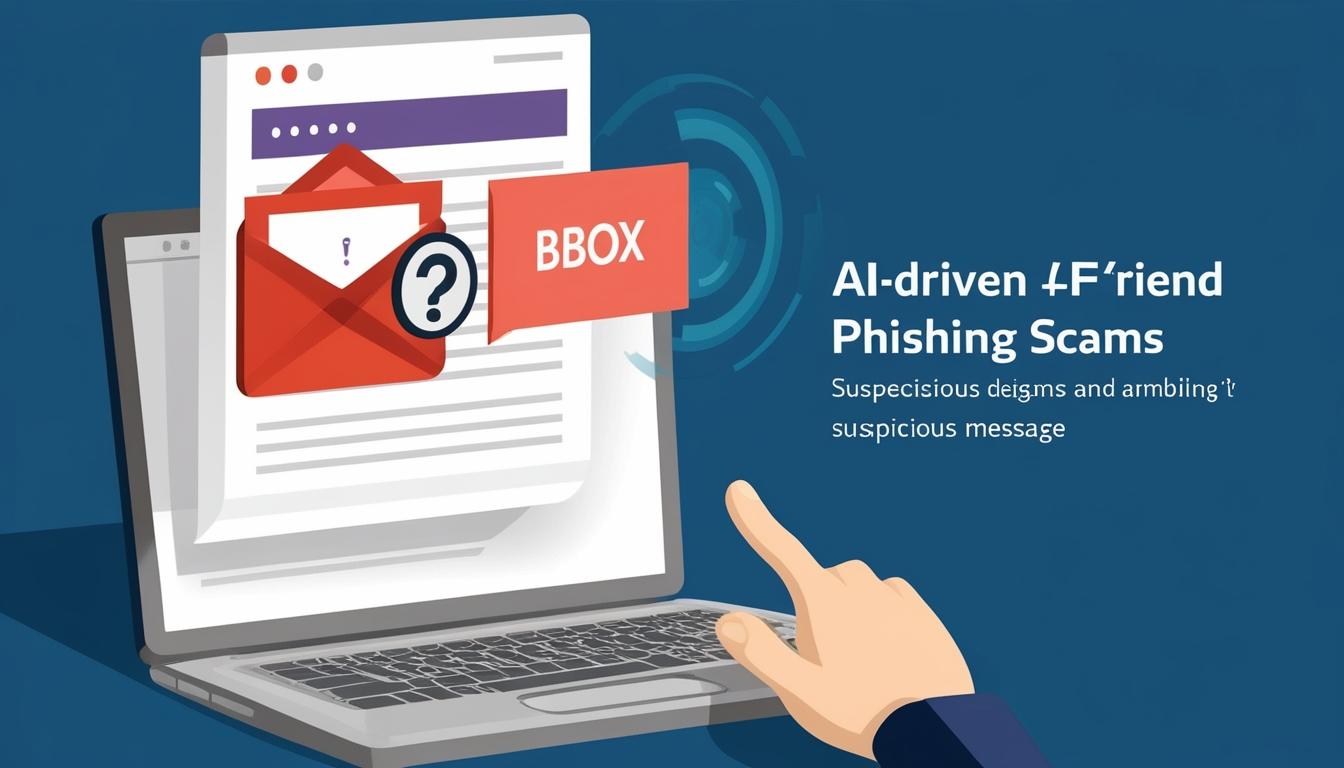
In a concerning development in the digital security landscape, a new scam has been identified that leverages personal trust and communication. This scam involves identity deception, where victims receive emails that appear to be from a known contact, such as a colleague or friend, increasing the likelihood of these communications being trusted. These emails often carry a sense of urgency, compelling recipients to respond quickly or follow provided links without thorough consideration.
A recent study highlighted the ease with which these scams can succeed. It revealed that 43% of users admitted to clicking on links in emails they initially believed to be legitimate, but were actually phishing attempts. This statistic underscores the effectiveness of these schemes in exploiting users' trust and urgency.
Adding to the complexity, there is a troubling rise in the use of artificial intelligence (AI) to enhance the capabilities of such scams. This technological integration allows for more personalised and sophisticated phishing efforts, making it increasingly difficult for users to discern between genuine and fraudulent communications.
The incorporation of AI means that phishing messages can be tailored with greater precision, mimicking writing styles and personal details from genuine communications. This not only heightens the potential for these scams to succeed but also poses significant challenges for cybersecurity measures designed to detect and prevent such threats.
As these scams become more prevalent, it underscores the importance of heightened awareness among individuals and organisations. The integration of AI into these deceptive tactics marks a new chapter in the ongoing battle against cybercrime, requiring continuous adaptation and vigilance from those potentially affected.
While technical defences are crucial, this phenomenon also highlights the importance of educating individuals on recognising and responding to suspicious communications. By understanding the sophisticated methods employed by scammers, users can better protect themselves from falling victim to these increasingly cunning deceptions.
Source: Noah Wire Services