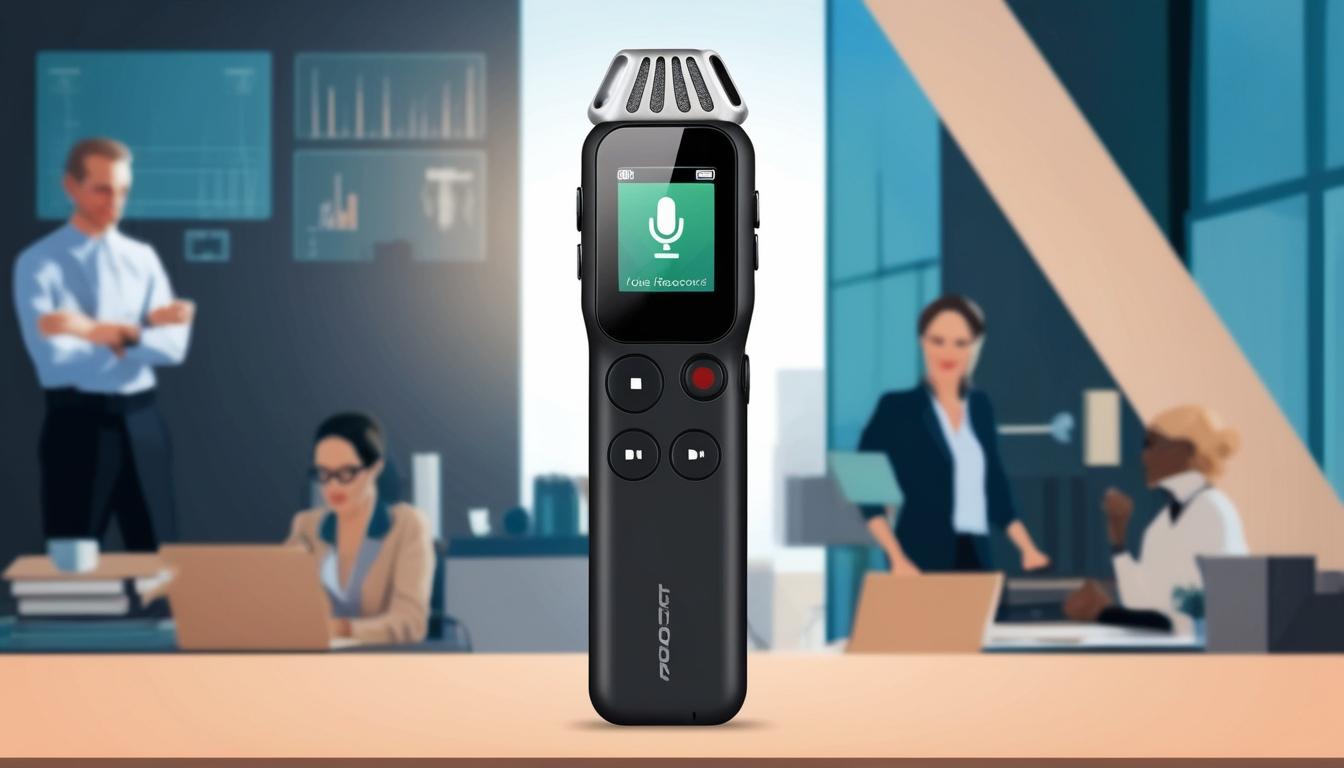
Plaud's latest innovation, the NotePin, enters the scene as a dedicated AI-powered voice recorder amid a backdrop of underwhelming performances by similar devices, such as Humane's AI Pin and the Rabbit R1. Despite these setbacks, the NotePin offers a fresh promise to users across various professional fields, such as journalism, law, and education, who require efficient documentation of verbal communication.
The NotePin, priced at $169, is compact, roughly the size of a fitness tracker, and is designed to record voice notes and conversations. Subsequently, it uses OpenAI's ChatGPT to transcribe these recordings into text documents and summaries. This functionality mirrors the success of Plaud's earlier product, the Plaud Note, which garnered positive reviews when it was released last year.
From a technical perspective, the NotePin features 64GB of internal storage and weighs just 25g. It includes two MEMS microphones, contributing to its capacity for clear audio recording. Available in three colours — Gray, Lunar Silver, and Sunset Purple — the device provides easy portability and usability. With a magnetic back, a clip, a necklace attachment, and a wristband, users can comfortably wear and carry the NotePin, enhancing its utility for on-the-go recording.
The device operates with a straightforward mechanism: a single press initiates recording, while a double press halts it, signaled by haptic feedback. Users are allotted five hours of transcription per month with the basic purchase, with an option to upgrade to 20 hours for an additional fee. The transcriptions can fit into predefined templates like Meeting Notes or Lectures, facilitating organisation and ease of access. Custom templates are also available to paying subscribers.
Users have praised the NotePin for fulfilling its promises, particularly in terms of transcription accuracy and utility. In addition to transcription, the device provides a mind-map summary for quick overviews and allows users to edit transcripts, label speakers, and categorise files into folders. This feature suite is complemented by the ability to search transcripts for specific content, which is especially beneficial for referencing specific discussion points.
Despite its advantages, the NotePin is not without its drawbacks. The simplistic one-button operation can lead to accidental recordings, a concern that might be mitigated with a software update to adjust button sensitivity. Furthermore, the device’s subtle design raises concerns about the potential for covert recordings, given that it resembles a typical fitness tracker.
Additionally, while the NotePin’s standalone features are appealing, many of these capabilities are already accessible through the latest smartphones from brands like Samsung, Apple, and Google, albeit sometimes requiring additional steps for complete functionality.
Overall, the Plaud NotePin stands as a promising AI device for users who require a lightweight and effective voice recording and transcription tool. Though it is priced on the higher side and faces competition from smartphone capabilities, the simplicity and utility of the NotePin could appeal to those in search of a dedicated gadget for their transcription needs.
Source: Noah Wire Services