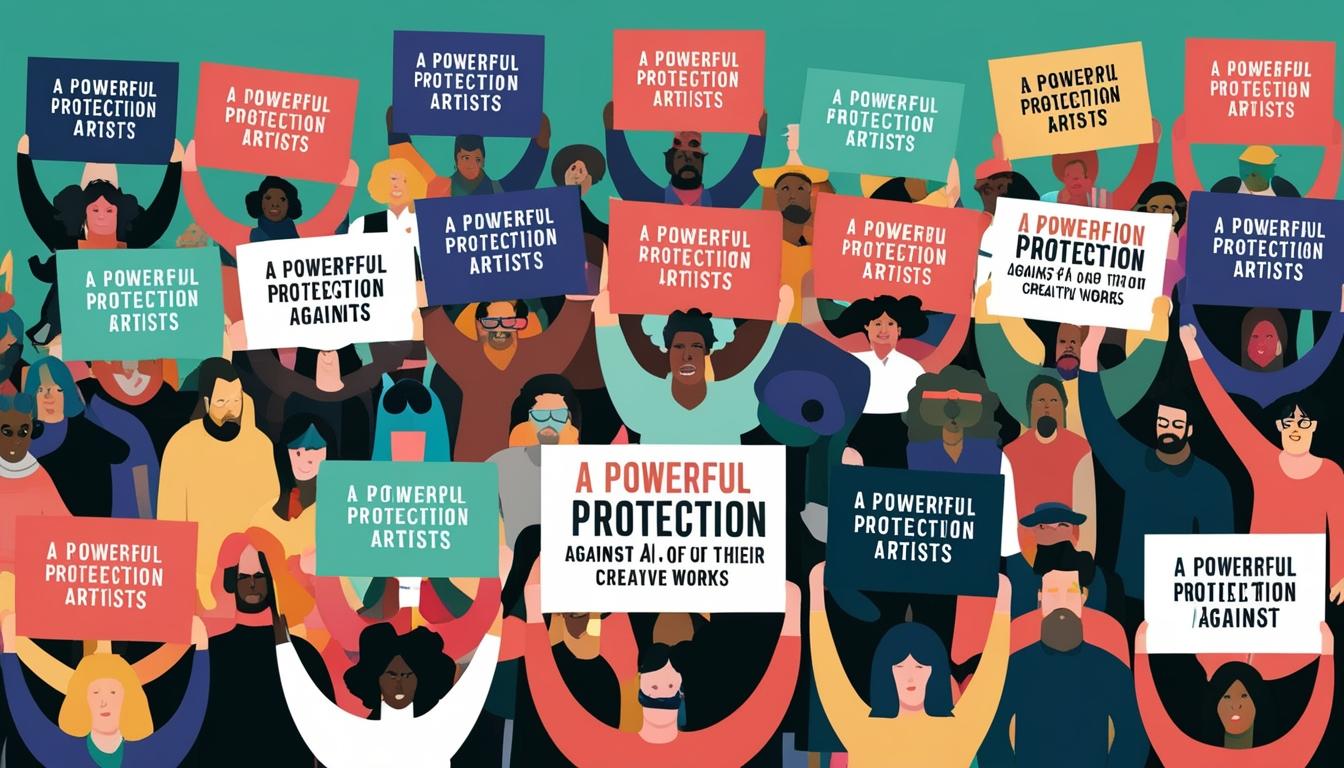
A broad coalition of artists comprising musicians, actors, and authors has united to express their protest against the use of artificial intelligence (AI) for mining their artistic creations without permission. A letter, released on Tuesday and signed by thousands of artists, challenges the implications of using AI tools trained on an extensive database of human-originated art forms such as images, music, and writing.
The document expresses a primary concern that the utilisation of creative works without a proper licensing framework endangers the livelihoods of artists, stating it presents a "significant and unfair threat." It underscores the argument that the unlicensed employment of their creations to inform AI models is essentially exploitative and demands regulatory intervention to halt such practices.
Signatories include high-profile personalities from various creative industries. Among them are Björn Ulvaeus of the iconic Swedish pop group ABBA, Robert Smith from the legendary band The Cure, and Thom Yorke along with his fellow Radiohead members. The protest also attracts the support of literary figures such as Kazuo Ishiguro, a British novelist who has received the Nobel Prize in Literature, and actors including Julianne Moore, Kevin Bacon, and Rosario Dawson, cementing a diverse representation of the artistic community unified in this cause.
The issue isn't new to some artists, as bestselling author James Patterson has previously engaged in advocacy against AI systems using human-made works without authorisation. Patterson endorsed this latest letter, aligning with an earlier open letter organised by the Authors Guild. The ongoing legal action initiated by the Guild against specific AI companies is proceeding in a federal court in New York, a clear signal of growing legal and ethical scrutiny in the realm of generative AI technology.
This collective opposition indicates escalating tension in the creative industries regarding how technological advancements should ethically intersect with artistic rights and intellectual property. The discourse surrounding this issue continues to highlight the need for a balanced approach that respects the original creators while considering the evolving landscape of digital innovation.
Source: Noah Wire Services