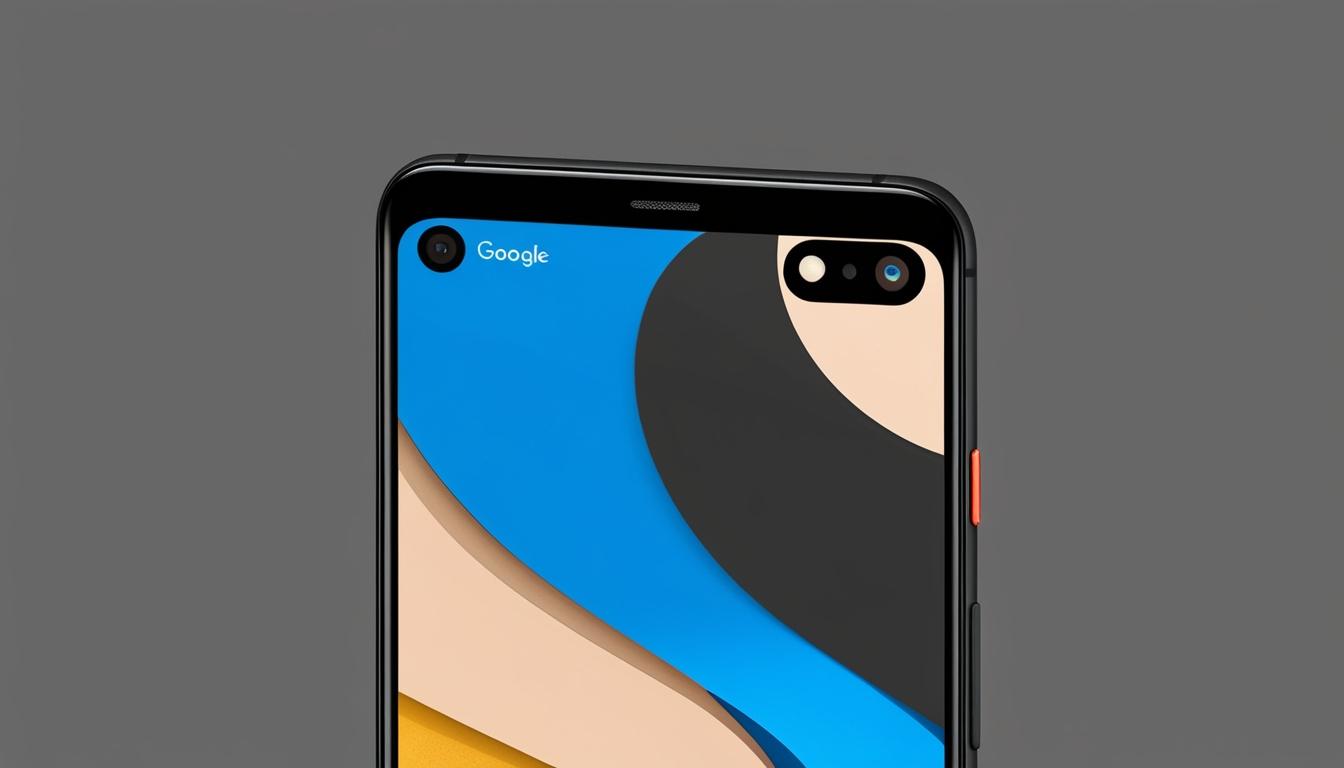
In a development that has captured the attention of tech enthusiasts and smartphone users alike, Google is set to release the Pixel 9a with a distinct approach to its camera configuration and design. According to recent leaks and reports, the new device will mark its entry with notable changes, both in aesthetics and technological specs.
The Pixel 9a is anticipated to move away from its predecessors' high-resolution camera setup, opting instead for a 48MP primary camera. This is a notable change from the 64MP sensors that were featured in the Pixel 7a and Pixel 8a models. While this might initially appear as a downgrade in raw resolution, industry observers suggest that the switch could be motivated by cost efficiency or battery life considerations. The smaller sensor is not only potentially more power-efficient but also aligns with Google's longstanding reliance on computational photography to deliver high-quality images. This technique has often allowed Google to punch above its weight class, offering superior photographic results without necessitating the highest-resolution sensors.
Supplementing the primary camera, the Pixel 9a is reported to come with a 13MP front-facing selfie camera, enhancing the device’s capabilities in capturing self-portraits and video calls. Additionally, the "Add Me" feature is expected to be integrated, allowing users the nifty ability to insert themselves into photos after they have been taken, which can be a creative asset for photo editing enthusiasts.
Design-wise, the Pixel 9a will present a slightly larger footprint than was anticipated in earlier reports, according to recent leaks. The device's aesthetics will mirror the blocky style seen in Google's Pixel 9 models released in August this year. Moreover, a departure from the iconic camera bar style, which has been a signature of Google's Pixel line for several years, is expected. Instead, this new iteration will feature a more pronounced camera bump, further differentiating it visually from its predecessors.
The Pixel 9a's launch is significant not just for its photographic innovations but also for its embodiment of Google's evolving design language and strategic technological adjustments. By embracing these changes, Google appears to be focusing on providing a balanced smartphone experience that leverages software innovations alongside considered hardware adaptations.
As tech enthusiasts eagerly await the official launch, the discussion around the Pixel 9a continues to build, with speculation rife about how these adjustments will translate in real-world performance across photography, design, and energy utilisation.
Source: Noah Wire Services