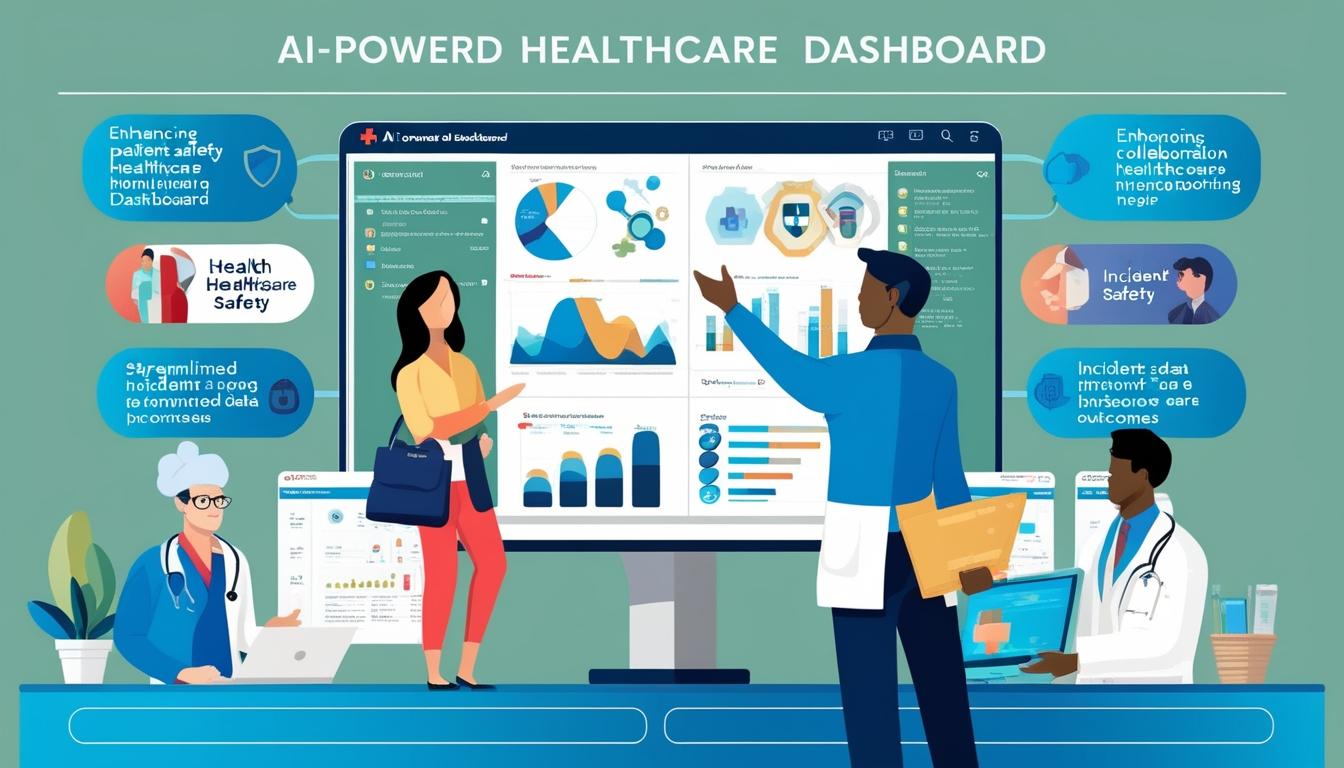
Leveraging AI and Data Analytics to Enhance Patient Safety in Healthcare
Artificial intelligence (AI) and data analytics are increasingly being recognised as pivotal tools in improving patient safety within healthcare systems. The current landscape reveals a significant portion of patient safety incidents go unreported, precluding healthcare organisations from gaining essential insights into potential risk factors, which could otherwise enhance patient care practices.
Incident Reporting and Data Streamlining
AI presents a dual approach to addressing this issue, primarily through automating the incident reporting process. By reducing the time and effort required for healthcare professionals to document safety incidents, AI fosters an environment where staff feel more comfortable and empowered to report near-misses and concerns. This thorough documentation process is vital in effecting cultural and procedural improvements that can translate to safer patient care.
In addition, AI algorithms can automate the extraction and analysis of data, providing a more comprehensive understanding of risk factors leading to patient harm. This capability enables healthcare systems to proactively implement measures to avert similar incidents in the future. Improved analytics allow healthcare providers to identify and mitigate risks more effectively, thus bolstering overall patient safety.
Workforce Efficiency and Wellness
The integration of AI also extends to enhancing workforce efficiency and wellness. Currently, healthcare professionals such as nurses spend a significant amount of their shift managing administrative tasks, including scheduling and documentation. According to McKinsey research, this administrative workload leaves nurses with only about seven hours for direct patient care in a 12-hour shift, contributing to emotional exhaustion and high turnover rates.
Generative AI emerges as a viable solution to these challenges by automating tasks such as note-taking during patient appointments and managing patient communications via portals. This reduction in administrative burden allows healthcare professionals to devote more time to patient care, potentially alleviating workforce fatigue.
Collaboration for Enhanced Safety Insights
A pressing issue within the healthcare sector is the siloed storage of data, which exacerbates the burden on staff and limits the potential for gaining comprehensive safety insights. AI can capitalise on the extensive data reservoirs within hospitals and health systems without adding to providers' workload. The accuracy of AI algorithms improves as they are trained on larger and more diverse datasets. Consequently, fostering collaboration and sharing patient safety data across organisations at an industry level is crucial.
Working with Patient Safety Organizations (PSOs), which aggregate and analyse data from numerous participating entities, can help in uncovering underlying risk factors for patient safety. PSOs can utilise AI to quicken the delivery and enhance the precision of safety insights, thereby allowing health systems to process thousands of incident reports almost instantaneously. Through the confluence of AI and Big Data analytics, predictive models identifying high-risk patients can be further refined, offering health systems a valuable tool in pre-emptive safety strategy formulation.
Framework Development and Industry Collaboration
The integration of AI into patient safety efforts necessitates partnerships between health systems, healthcare technology providers, and AI solution developers. Such collaborations lay down a robust framework essential for advancing patient safety – one that is driven by data sharing, tech innovation, and a commitment to transparency and learning.
Addressing patient safety challenges effectively requires a shared responsibility among industry leaders to embed safety considerations into care delivery processes. By collaboratively developing strategies and technologies geared towards safety, healthcare systems can make substantial strides in improving care outcomes and ensuring patient safety.
Source: Noah Wire Services