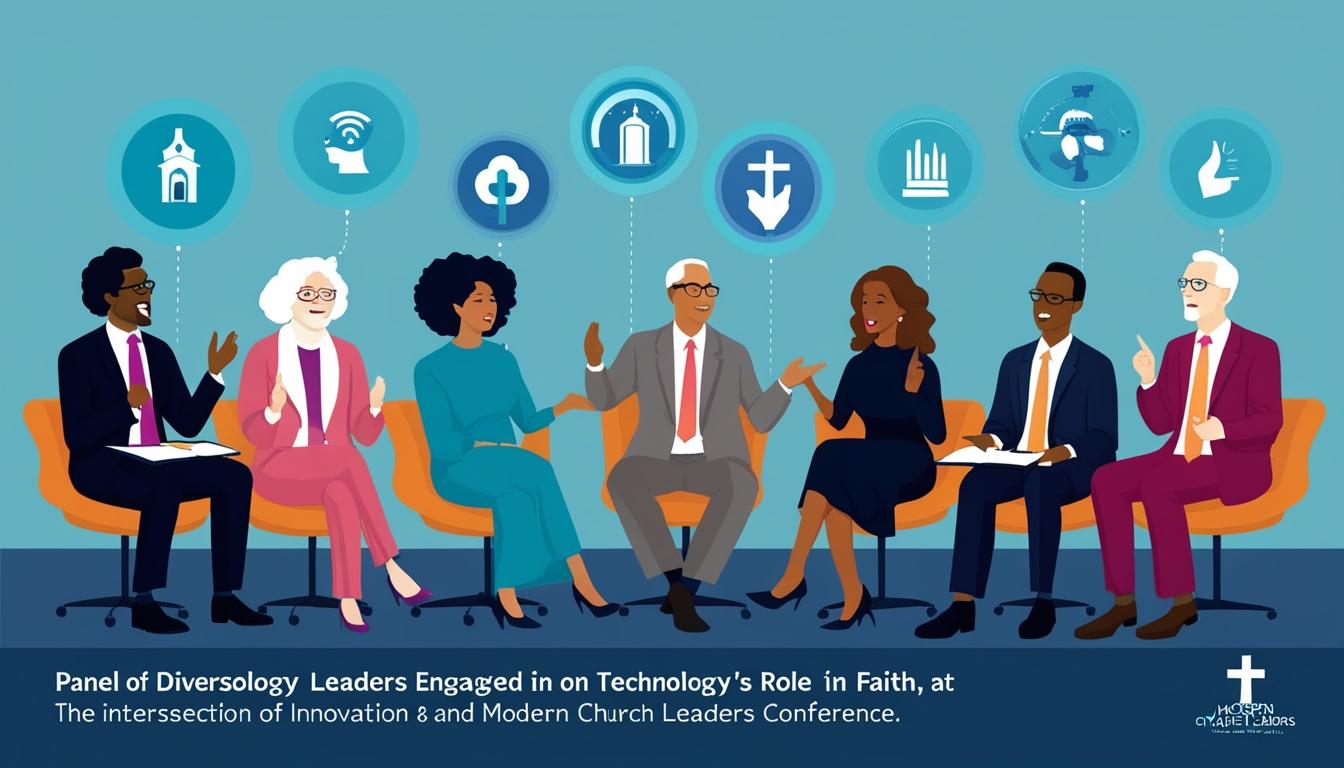
The Modern Church Leaders Conference, a pioneering event by Tithe.ly and Breeze ChMS, commenced on Monday, 21st October, in Dallas, marking a significant moment in the intersection of faith and technology. The event gathered hundreds of leaders from various backgrounds to delve into the evolving landscape of technology within church environments.
The conference offered an array of over 40 comprehensive training workshops, each led by notable industry experts. These sessions were graced by numerous distinguished speakers, including Pastor Miles McPherson of Rock Church, Pastor Erwin McManus from Mosaic Church, Nona Jones, who is the Chief Content & Partnerships Officer for YouVersion, Julie McCoy, the President of BrandWell, Pastor Levi Lusko of Fresh Life Church, Pastor John Amanchukwu from the Upper Room Church of God in Christ, alongside comedian Andrew Stanley.
Central to the conference's opening session was a panel discussion featuring church technology experts. The dialogue focused on the technological advancements witnessed over the past decade and advised church leaders on harnessing technology to further their missions, rather than fearing its implications. The panel involved key figures such as Blue Van Dyke from StudioC, Rafi Ghazarian of Saddleback Church, Ben Boykin of Rock Church, Michael Whittle from Pulpit AI, alongside Tithe.ly founders Dean Sweetman (CEO) and Frank Barry (COO).
One of the significant themes discussed was the role of artificial intelligence (AI) in the church setting. Blue Van Dyke emphasised that "technology is submissive to ministry," highlighting that those who develop and implement technology are akin to "supporting actors" in a ministry-led initiative. His approach revolves around identifying how technology can enhance the effectiveness and efficiency of church activities.
Rafi Ghazarian supported this viewpoint, describing technology as both a tool and an amplifier. According to Ghazarian, if the church's mission to fulfil the Great Commission isn't maximised through technological advances, it would be a missed opportunity. He expressed enthusiasm about the era of technological growth, citing innovations such as mobile phones and the internet as transformative tools for the church.
During the panel, Frank Barry, who previously served as a youth pastor, addressed the audience, asking if they harboured fears regarding AI. Many attendees raised their hands, reflecting prevalent apprehensions. Barry shared that he frequently encounters pastors who are concerned about the implications of AI within their communities.
This event is notable for stimulating important discussions on how the church can adapt to technological advances while preserving its core mission. By exploring these synergies, the conference aims to empower church leaders to better integrate technology into their operations, potentially reaching broader congregations and enhancing their impact.
Source: Noah Wire Services