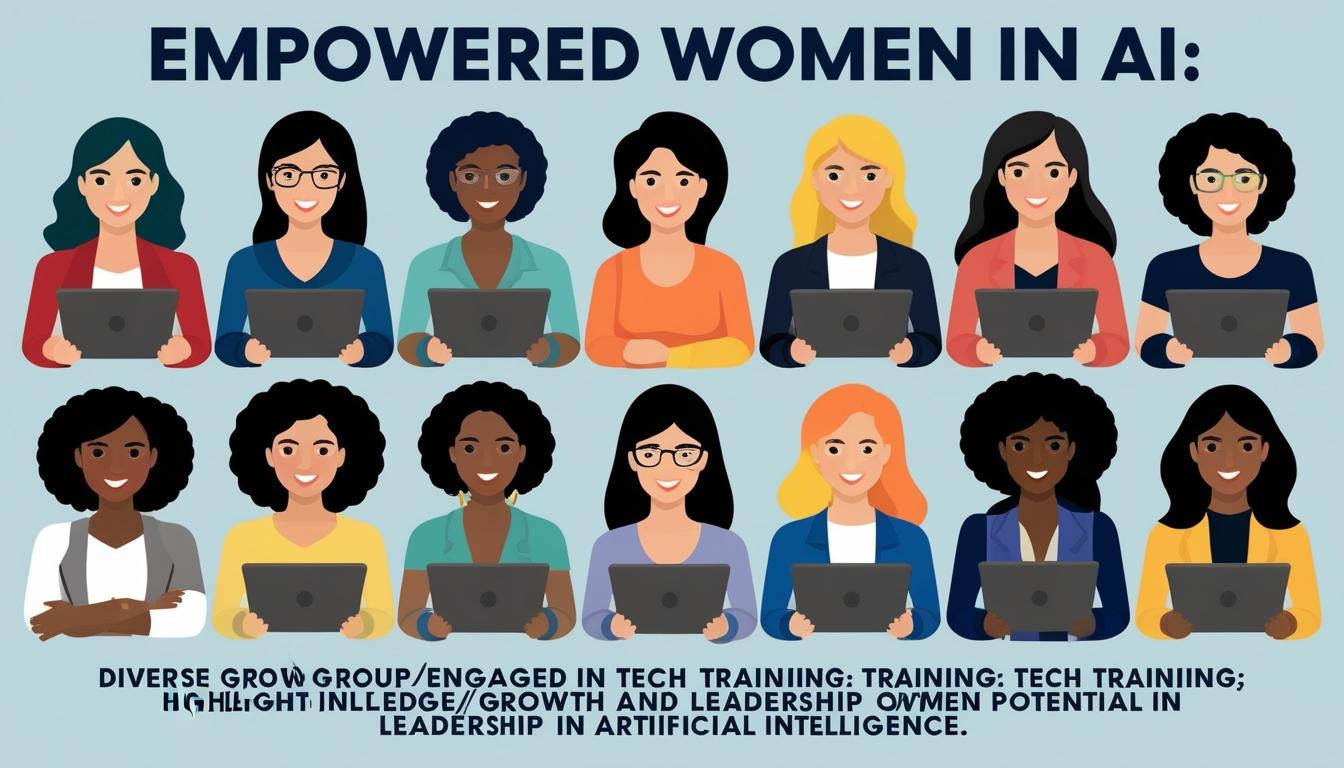
A recent study sponsored by DeVry University has illuminated the persistent gender disparities within the realm of artificial intelligence (AI), underscoring the need for increased professional development opportunities for women as the technological landscape evolves. Despite notable advancements in bridging the gender gap across various industries, women continue to face hurdles in achieving pay parity and representation in leadership roles. These challenges are becoming increasingly pronounced in AI and related technologies, where new research highlights the discrepancies in AI knowledge, skills utilisation, and perceptions of AI's potential to enhance career prospects.
The research findings reveal a broader sentiment gap between genders regarding AI's potential impact on career opportunities. Men, according to the study, are over 50% more likely than women to perceive AI as a gateway to new career paths and a tool for enhancing work productivity and progression. In contrast, women's apprehensions about AI may further widen the existing leadership and career advancement gaps if they remain unaware of the potential benefits associated with AI skills development.
Efforts to address these disparities could focus on proactive educational initiatives by Human Resources (HR) departments, aiming to demystify AI through awareness campaigns and accessible skills courses. By showcasing the practical applications and advantages of AI, women can be more effectively introduced to the technology's capabilities. Moreover, mentorship and networking opportunities may play a vital role in encouraging women to pursue AI education, providing them with the necessary support to overcome potential reservations.
In addition to perception gaps, the study highlights significant differences in AI knowledge levels between genders. While 82% of men reported having a comprehensive understanding of AI, only 68% of women claimed the same level of knowledge. Skill evaluation also varied, with 55% of men considering their AI skills to be intermediate or higher, whereas only 41% of women assessed their skills at a similar level.
These disparities could be attributed to a perceived lack of awareness among women about the relevance of AI upskilling to career advancement, as well as inconsistencies in access to company-provided education resources. To mitigate these issues, HR leaders are encouraged to ensure equitable access to effective training for all employees and actively engage female employees in AI-focused learning paths.
One strategic approach suggested by the report is to demonstrate intersections between durable skills, such as critical thinking and problem-solving, which are highly valued by women, and advanced AI technologies. By integrating these skills into AI training programmes, the field can become more approachable and relevant to women, thus facilitating greater participation.
As women navigate workplace dynamics post-office return mandates and other professional barriers, offering flexible learning and workplace solutions is crucial. Providing adaptable schedules and financial support for tech-focused education can be instrumental in encouraging women to advance their AI proficiency. Training programmes with virtual and interactive learning formats can make upskilling more accessible, helping diminish fears related to the unknown aspects of AI technology.
The study advocates for women to play an equitable role in the AI-driven transformation currently reshaping workplaces. While personal ambition is an important factor, it is equally essential for HR leaders and employers to intentionally eliminate obstacles and clarify the significance of AI and upskilling in women's professional futures. By implementing intentional upskilling strategies and nurturing an inclusive and supportive environment, organisations can ensure that women are not only participants in AI-driven changes but also emerge as leaders within this evolving domain. This comprehensive approach aims to keep all employees, regardless of background or career stage, competitive and adept in adapting to technological advancements.
Source: Noah Wire Services