The rapid expansion of artificial intelligence (AI) technology is creating significant electricity demands in the Pacific Northwest, and these demands are projected to impact consumers' electricity bills unless measures are undertaken to manage this technological advancement effectively. Central Washington is particularly feeling the strain, as businesses, farmers, and residents are already adjusting to current power limitations and preparing for potential rate increases anticipated next year.
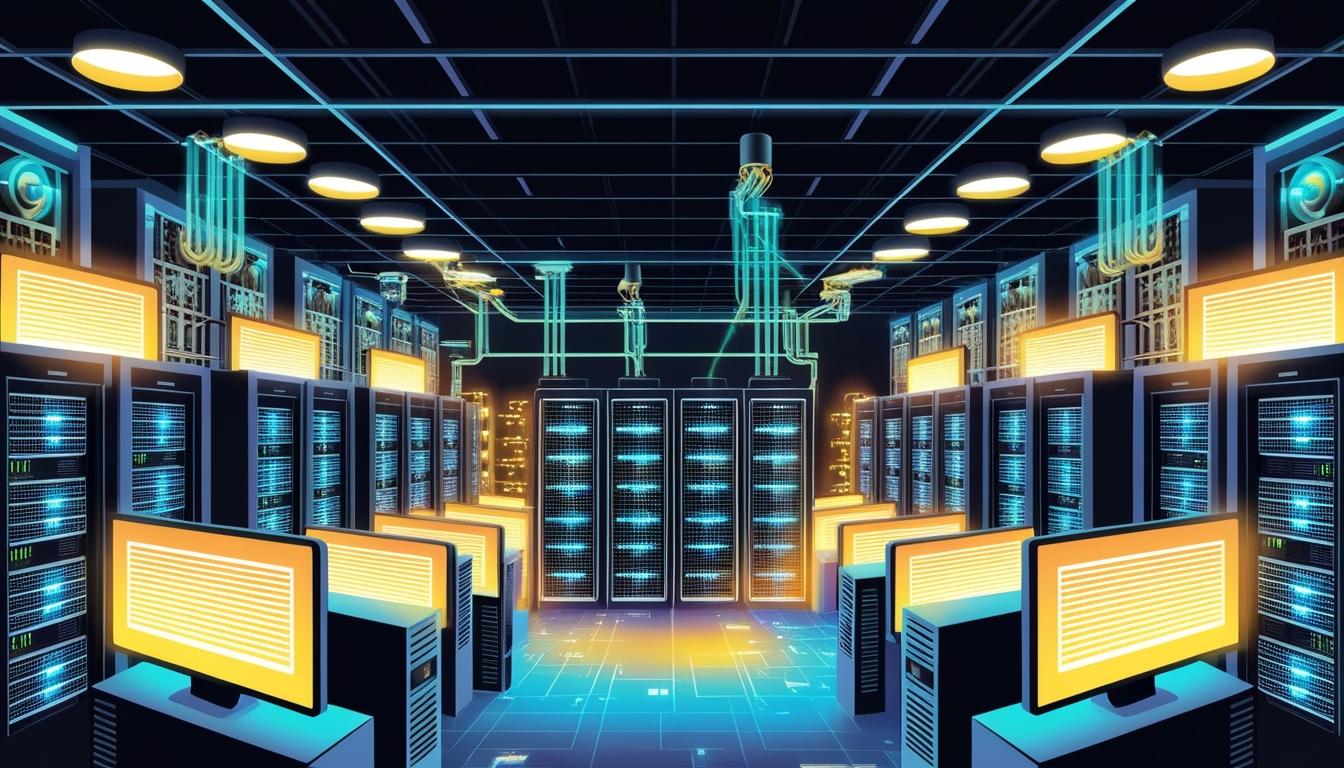
The crux of the issue lies in data centres, especially hyperscale facilities, which necessitate substantial amounts of electricity to operate efficiently. These centres require power not only to run the vast arrays of computer servers integral to AI operations but also to maintain optimal temperatures to prevent overheating of microprocessors. In environments where thousands of microprocessors operate in close quarters, substantial heat accumulates, necessitating energy-intensive cooling systems to ensure continued functionality.
Currently, over 100 data centres are operational in Washington State. The largest among these, hyperscale centres, consume over 100 megawatts each, equivalent to a tenth of a modern power plant's capacity. These facilities inevitably contribute to a significant portion of the region's electricity demand. In the Seattle and Tacoma areas, for instance, data centres are already responsible for consuming over 10% of the available power.
Energy analyst Massoud Jourabchi from the Greenway Research Group estimates that data centres across the Pacific Northwest currently consume an average of 1,300 megawatts, amounting to approximately 6% of the region's average electrical load. Projections by the Northwest Power and Conservation Council suggest that these demands could double again by 2029, although these forecasts remain subject to significant uncertainty due to the burgeoning role of AI technologies.
Companies, such as Microsoft, are strategically positioning their data centres in proximity to Columbia River dams in Grant and Douglas counties to benefit from around-the-clock hydropower. Nonetheless, local utilities have begun purchasing additional power, often sourced from out-of-state suppliers using fossil fuels, to satisfy growing demands. This imported power, inherently more expensive, may lead to higher costs for consumers.
In response to these demands, industry stakeholders are actively exploring solutions that avoid reliance on fossil-fuel power plants, aligning with environmental commitments. Microsoft, for instance, is set to lease the total 835 megawatts produced by a reactivated nuclear reactor at Three Mile Island in Pennsylvania to power AI-centric data centres. Other utilities across the country are considering options such as delaying the decommissioning of coal and nuclear plants, converting facilities to natural gas, or investing in geothermal power innovations.
The pressure to balance growing data-centre demands with renewable energy objectives is underscored by events such as January 2024’s cold snap, which saw the Pacific Northwest utilities importing an average of 4,900 megawatts of power from California and the Rocky Mountain states, adding to consumer costs.
As AI continues its march forward, the challenge of aligning data-centre operations with sustainable power solutions remains critical. This intersection between cutting-edge technology and energy supply constraints poses an ongoing dilemma that demands thoughtful consideration in planning for the region's electrical and environmental future.
Source: Noah Wire Services