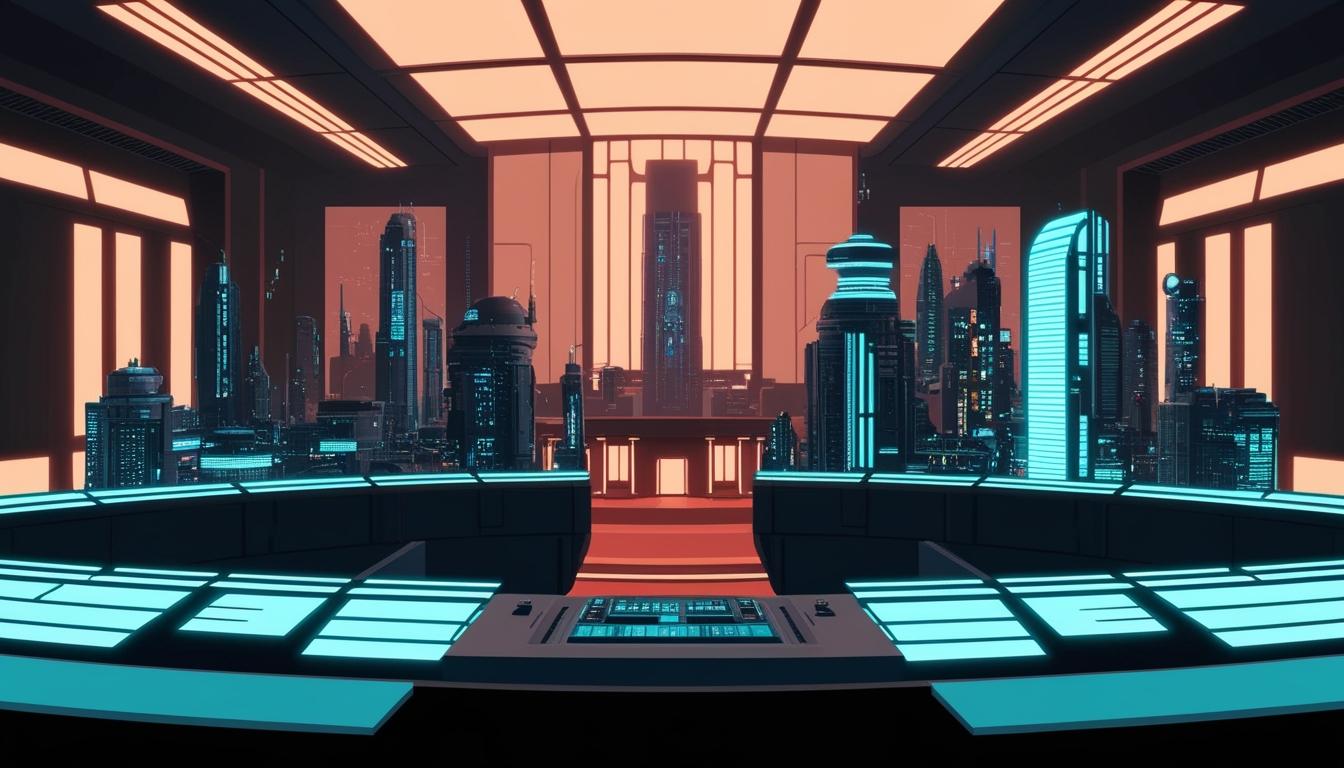
Alcon Entertainment Sues Tesla and Elon Musk Over AI-Generated Imagery from "Blade Runner 2049"
In a high-profile legal confrontation that underscores the growing complexities of artificial intelligence in creative industries, Alcon Entertainment LLC has filed a lawsuit against Tesla Inc. and its CEO, Elon Musk. The central issue pertains to the unauthorised use of AI-generated imagery that draws inspiration from Alcon's 2017 feature film, "Blade Runner 2049". The case was launched following a Tesla promotional event where the contentious image was displayed.
The promotional event occurred on October 10, 2024, and was globally livestreamed from a studio lot at Warner Brothers Discovery Inc. At this event, Tesla sought to promote its fully autonomous vehicle concept, known as the Cybercab. The contentious image, which appeared during the presentation, was alleged to have been created by feeding elements from the "Blade Runner 2049" film into an AI-driven image generator. Although the image was only on display for 11 seconds, Alcon's complaint framed this duration as "a marketing and advertising eternity".
Alcon Entertainment claims it had previously denied Tesla's request to use a specific still image from "Blade Runner 2049". The complaint accuses Tesla of infringing copyright by generating a new image from the denied content request. Furthermore, Alcon has stated it received significant financial engagement from automotive brands seeking association with the "Blade Runner" franchise, highlighting ongoing negotiations for partnerships regarding their upcoming "Blade Runner 2099" TV series.
Additionally, the lawsuit articulates concerns over brand association risks due to Elon Musk's controversial public persona. Alcon's complaint references "Musk’s massively amplified, highly politicized, capricious and arbitrary behavior", which occasionally borders on hate speech, as detrimental to the "Blade Runner" brand.
The lawsuit, filed under claims of copyright infringement and false endorsement violation under federal trademark law, brings to the fore several critical legal questions. It explores whether AI-generated modifications of copyrighted imagery could sufficiently alter the original work to avoid infringement, thereby testing the legal boundaries of fair use. Moreover, the case will scrutinise implications regarding false endorsements stemming from AI-generated promotional materials linked to renowned brands.
Legal analysts anticipate that the outcome of this case could set significant precedents for the use of artificial intelligence in creating derivative visual content, especially as more industries look to integrate AI into their promotional strategies. As the court deliberates, this case may offer vital insights into the evolving landscape of intellectual property law in the digital age.
Source: Noah Wire Services