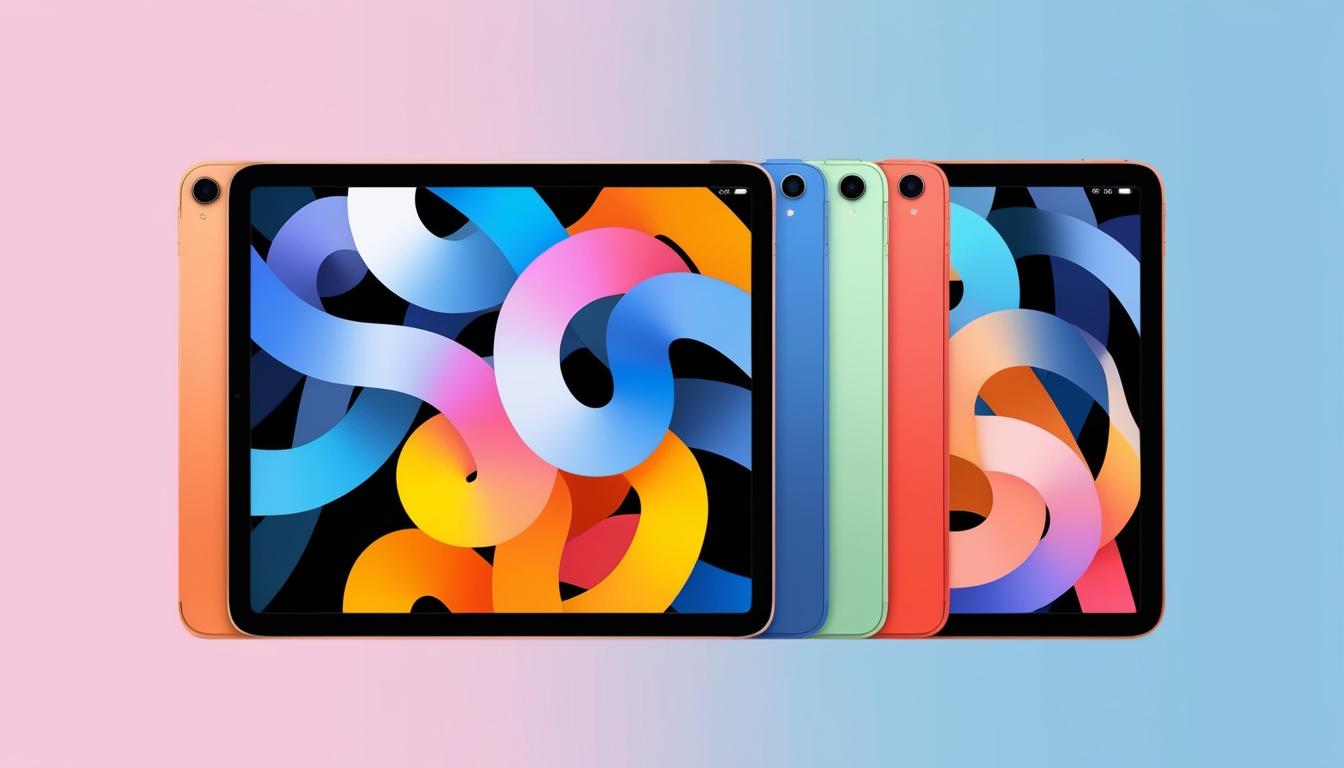
Apple has introduced the next iteration of its iPad mini, incorporating significant upgrades and the latest technology, marking a notable enhancement from its predecessor, the iPad mini 6. Central to these improvements is the inclusion of the powerful A17 Pro chip, which was first seen in the iPhone 15 Pro. This new chip is poised to enhance user experience through its ability to support Apple Intelligence—a feature of the updated iPadOS 18. Apple Intelligence utilises the company's proprietary silicon and generative models to deliver a uniquely personalised user experience while prioritising the safeguarding of user privacy.
Connectivity is another area of advancement for the new iPad mini. It is equipped with Wi-Fi 6E for faster wireless internet connections and features a USB-C port capable of data transfer speeds up to 10Gbps, effectively doubling the speed of the previous model. Such improvements cater to the growing demands of technology enthusiasts who seek efficient connectivity options in compact devices.
In the realm of photography, the device sports a 12MP wide rear camera with Smart HDR 4 capabilities. The camera also leverages machine learning for enhanced document scanning directly within the Camera app, a feature likely to be appealing for users who utilise their devices for work and productivity tasks. The iPad mini also boasts compatibility with the Apple Pencil Pro, allowing for precise input and creativity applications.
The device is available in a variety of colours including blue, purple, starlight, and space gray, and starts at $499 for models with Wi-Fi only, while models with both Wi-Fi and cellular capabilities commence at $649. Storage options have been doubled, beginning at 128GB, with extended storage up to 512GB available, catering to users with more extensive data storage needs.
Looking ahead, Apple is anticipated to release a trio of new products in spring 2025, according to reputable sources. These releases are expected to include the iPhone SE 4, the iPad 11, and updated versions of the iPad Air, alongside improvements to iPad keyboards. This timeline narrows down previous predictions, focusing on a launch period between late March and June 2025.
Of specific interest is the expected launch of the iPad 11 during this timeframe, considering the current model, the iPad 10.9 (2022), is not equipped with Apple Intelligence. The addition of this feature would align the iPad 11 with Apple's broader strategy to incorporate AI capabilities across its entire range of tablets. While the iPad Air already supports AI, the introduction of more powerful hardware in future models is likely to enhance its AI processing capabilities further.
Leaks suggest that the notable entry-level iPad, under the codenames 'J481' and 'J482', could be available in multiple variants, potentially offering different screen sizes similar to those seen in the Air and Pro models. Although information remains speculative, these developments hint at Apple's continuous innovation and response to market demands.
As Apple navigates its future product launches, the technology giant remains a subject of interest for tech enthusiasts awaiting the next wave of electronic advancements.
Source: Noah Wire Services