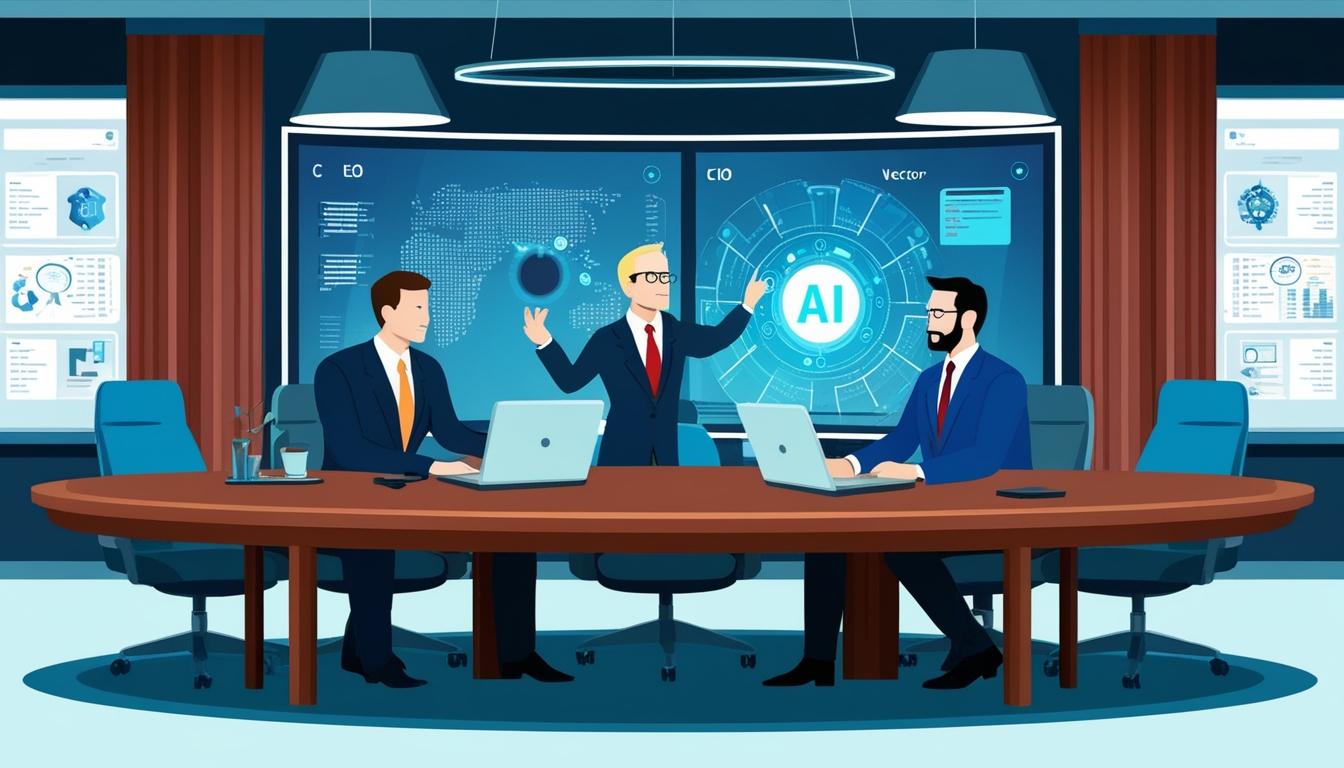
As the business world ventures further into the futuristic landscape of 2025, corporate leaders, notably Chief Executive Officers (CEOs), have crystallised a forward-thinking agenda that highlights the critical integration of Artificial Intelligence (AI), risk management, dynamic capacity, and seamless human-machine cooperation. While these leaders have firmly set their sights on such strategic frontiers, many Chief Information Officers (CIOs) are perceived as lagging, entrenched in traditional roles focused primarily on IT infrastructure management. To stay relevant in this evolving terrain, CIOs are urged to reshape their roles into that of strategic partners who not only manage technology but also spearhead digital business transformations.
This shift is not solely about AI implementation but involves aligning technological initiatives with broader corporate strategies, thereby generating value and maintaining a delicate equilibrium between innovation and risk through a comprehensive, multi-faceted approach.
Building AI Familiarity and Internal Advocacy
A pivotal initial step for CIOs in this transformative journey is cultivating AI literacy within their own IT domains. By initiating programmes that enable teams to grasp AI's potential and practical applications, CIOs can foster early quick wins—such as enhancing operational efficiency or automating routine tasks. These successes not only bring immediate improvements but also create internal champions who can advocate for AI across the organisation.
Fostering Engagement Through Tangible Benefits
Winning over both employees and leadership requires CIOs to demonstrate AI's tangible benefits in the work environment, ensuring each initiative improves employees' daily tasks and simultaneously presents clear, quantifiable results. This approach reduces the perception of AI as an intrusive force, promoting it as a beneficial addition rather than a threat.
Addressing Current Bottlenecks with AI-Powered Solutions
To effectively leverage AI for dynamic capacity, CIOs are advised to begin with existing operational bottlenecks, such as logistics or supply chain inefficiencies. By addressing these problem areas through AI solutions, CIOs can achieve substantial initial value, paving the way for a broader adoption across the business.
Maintaining Human Oversight During Transition
Building trust in AI and data-driven processes is a gradual process that requires maintaining human oversight until confidence is firmly established. As trust grows, organisations can start integrating more prescriptive AI models, facilitating a smoother transition to data-driven decision-making.
Collaborating with HR for Workforce Integration
Collaboration with Human Resources (HR) is essential to successfully integrate AI into the workforce. CIOs should work closely with HR to develop AI literacy programmes and prepare for a human-machine integrated workforce. This alignment facilitates a thoughtful transition, sustaining employee trust throughout the change.
Ensuring Data Accuracy and Consistency
For AI to enable dynamic capacity, it's vital that organisations maintain accurate and trustworthy data. Establishing a standardised set of business terms and data definitions ensures all AI initiatives are founded on a reliable data framework, empowering organisations to confidently scale AI and automation efforts.
Prioritising Security Alongside Innovation
Innovation should proceed hand in hand with security. CIOs must collaborate with Chief Information Security Officers (CISOs) from the outset of any AI initiative to ensure security measures are integrated without impeding progress.
Scaling Initiatives through Strategic Leadership
As AI projects yield positive results, CIOs can form an executive steering committee to help expand AI adoption. This committee, composed of key decision-makers, will prioritise AI projects and secure executive buy-in, leveraging initial successes to galvanise further momentum.
In conclusion, as CEOs look for leaders capable of driving AI transformation and managing the transition to a human-machine workforce, CIOs must strategically position themselves to navigate these complex changes. By embracing both small, impactful advancements and collaborative ventures, they can lead their organisations with confidence into this new era of innovation.
Source: Noah Wire Services