Cleveland and Cornell Researchers Launch PIONEER: A New Tool in Drug Discovery
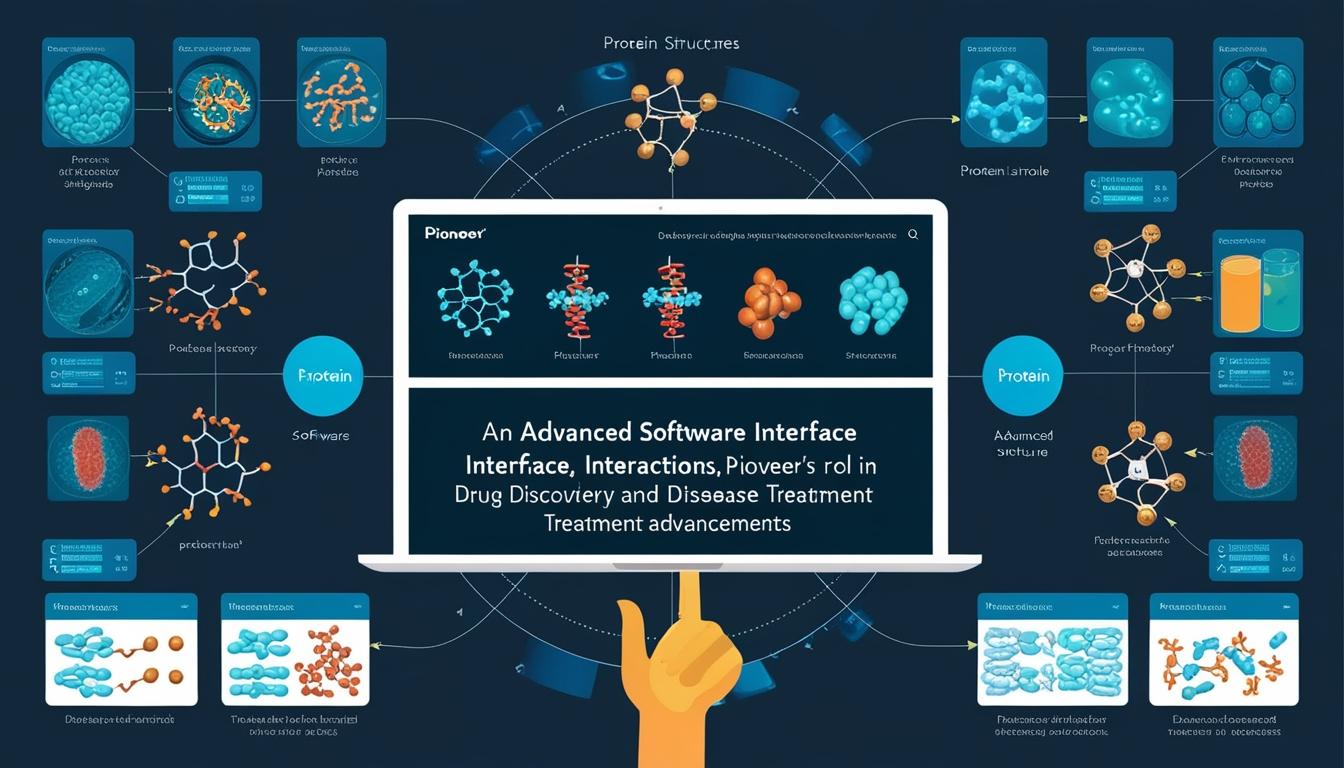
Cleveland Clinic and Cornell University have developed a groundbreaking software tool, PIONEER (Protein-protein InteractiOn iNtErfacE pRediction), which is poised to revolutionise the way scientists identify protein-protein interactions as potential drug targets. The recent unveil in an article published in Nature Biotechnology highlights PIONEER's potential to speed up the traditionally lengthy process of drug discovery.
The research, led by Dr. Feixiong Cheng from the Cleveland Clinic Genome Center and Dr. Haiyuan Yu from Cornell University's Center for Innovative Proteomics, introduces an innovative approach to tackling complex diseases, including various cancers. By harnessing a wealth of genomic information and integrating it with physical structures of human proteins, the researchers have created a comprehensive database aimed at facilitating targeted therapeutic development.
The Complexity of Interactomes
Protein-protein interactions form a complex network known as the interactome, which is critical for understanding how diseases affect biological processes. Proteins can interact with numerous other proteins, creating a vast network that becomes increasingly complex when influenced by disease-causing mutations. This complexity presents a significant challenge for drug developers, who must sift through tens of thousands of potential interactions to identify viable targets.
Dr. Cheng notes the difficulty faced in translating genetic data into actionable drug developments. The conventional timeframe from identifying a disease-causing gene to clinical trials typically spans 10 to 15 years. PIONEER is designed to streamline this process by providing researchers with a tool that can identify and rank the most promising protein-protein interactions associated with a given disease.
Data Integration and Interactome Navigation
The PIONEER database draws from a broad array of data sources, including genomic sequences from nearly 100,000 individuals, detailed 3D structures of over 16,000 human proteins, and known interactions between approximately 300,000 protein pairs. This compilation allows PIONEER users to explore the interactome concerning more than 10,500 diseases, ranging from common to rare conditions.
Researchers can utilise PIONEER by inputting a disease-associated mutation to receive a ranked list of contributory protein-protein interactions potentially treatable with medications. This ranking system aids in prioritising research efforts on interactions most likely to yield effective treatments.
Validation and Practical Application
The functionality of PIONEER has been validated in laboratory settings, where nearly 3,000 mutations across 1,000 proteins were tested, impacting around 7,000 protein-protein interactions. Early-stage research based on these tests is already focused on developing treatments for lung and endometrial cancers. Additionally, the tool has shown potential in predicting survival rates and drug responses in various cancers, including the rare sarcoma.
One significant finding revealed through PIONEER is the predictive potential of mutations in protein interactions between NRF2 and KEAP1 for tumour growth in lung cancer. This insight offers new avenues for targeted cancer drug development.
Dr. Cheng and his team hope that by making PIONEER accessible to the broader scientific community, the resource barriers traditionally associated with interactome studies will diminish, allowing more researchers to contribute to the advancement of therapeutic innovations across numerous disease categories.
As researchers continue to explore the capabilities of PIONEER, its impact on the future of personalised medicine and targeted therapies seems promising, potentially marking a significant step forward in disease understanding and treatment.
Source: Noah Wire Services