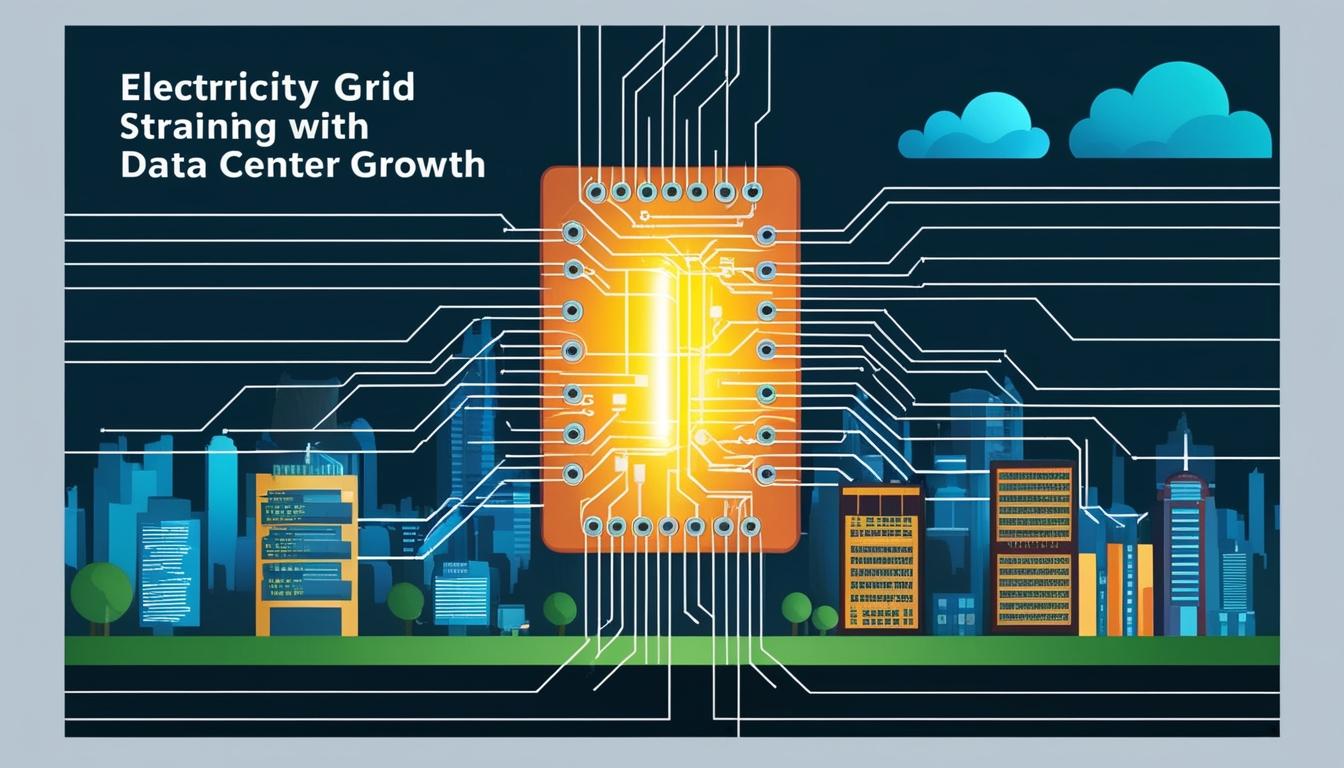
Concerns Rise as AI and Data Center Expansion Strains US Electricity Resources
In recent years, the United States has seen a significant surge in the development of artificial intelligence (AI) technologies and data centers, triggering concerns regarding the ability of the country's energy infrastructure to keep pace with the increasing demand for electricity. The situation recalls historical instances such as the Washington Public Power Supply System (WPPSS) bond default, where a misjudgment of energy needs led to the largest municipal bond default in US history.
Back in the 1970s, the federal government projected substantial growth in electricity demand in the Pacific Northwest, estimating an annual increase of over 7%. In response, WPPSS embarked on a project to construct five nuclear power plants, only to cancel most when demand fell unexpectedly due to federal energy efficiency initiatives and an economic downturn. This led to the construction halting on buildings such as Units One and Two, now a stark reminder of the unpredictable nature of energy dynamics.
In a modern-day context, the rapid development of AI and data centers brings similar concerns. Utility companies and analysts have noted the sudden pressure on existing electrical grids, highlighting the potential for shortages and increased prices. One market drawing attention is PJM, US's largest regional transmission organization, indicating a growing strain on resources. Key questions loom regarding how far the development of data centers can continue without adversely impacting other electricity customers, and what the implications might be if the demand growth trajectory shifts.
These considerations have implications for the broader trajectory of the energy sector, including its ongoing transition towards sustainable, lower-carbon emission sources. The Omaha Public Power District, for instance, has faced criticism for delaying the closure of a coal-fired unit due to the challenge of meeting rising demand. Additionally, the potential revival of Pennsylvania’s storied Three Mile Island nuclear plant is under discussion to help manage load growth amidst increased energy demands.
Rating agency reports from as recent as 2022 scarcely mention data centres or AI, yet these sectors have swiftly escalated to become primary drivers of energy demand. Projections for capital investment in energy infrastructure are increasing, coupled with new debt considerations, leaving stakeholders to ponder the repercussions if demand were to suddenly subside.
The energy consumption of AI technologies and data centres is cause for debate, with AI optimizations offering potential solutions to minimise energy usage. These include advancements in hardware, model optimisation techniques, and responsible deployment strategies prioritising efficiency, as outlined by industry analyses.
As the US navigates this burgeoning dynamic, it faces the dual challenge of ensuring both the affordability and reliability of electricity supplies, while building resilience within the infrastructure. Balancing these priorities is essential as AI continues to cement itself as a significant consumer within the national energy landscape.
Source: Noah Wire Services