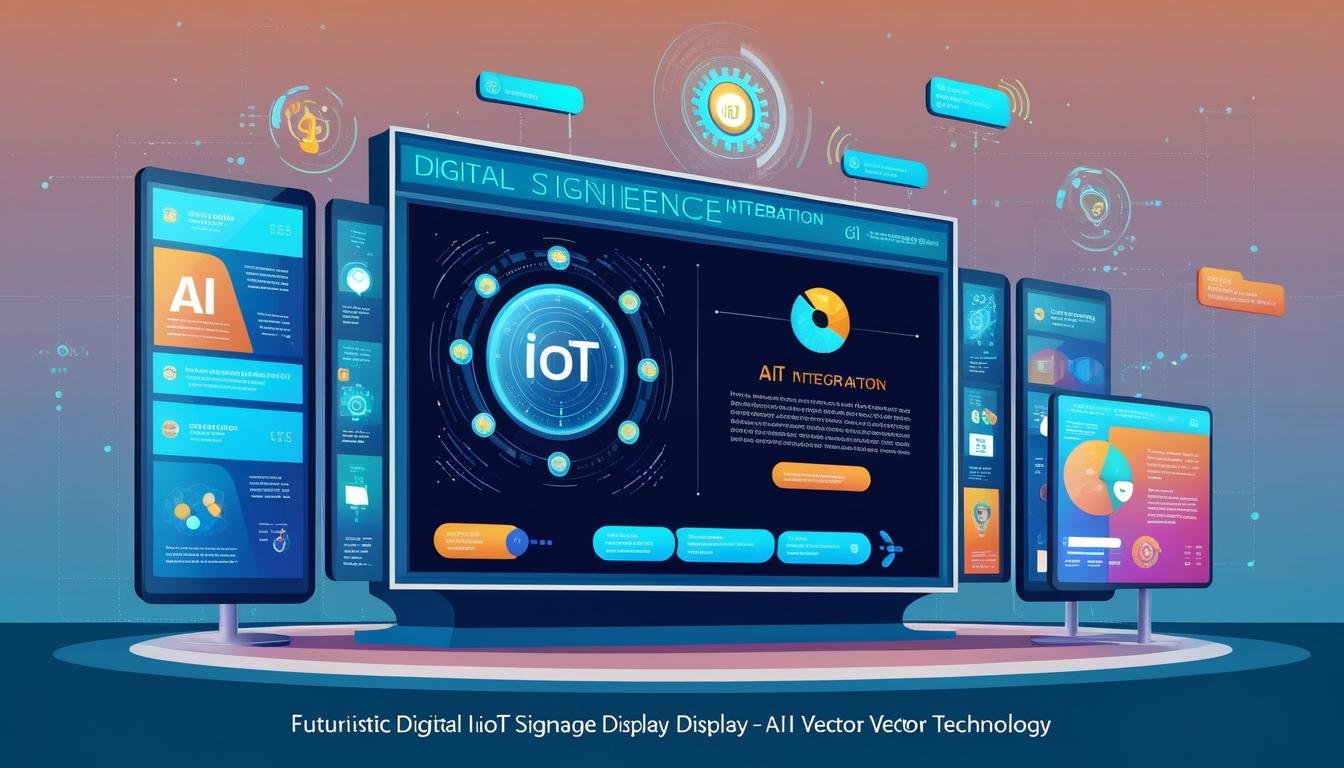
The digital signage landscape is undergoing significant transformation, indicative of broader trends in technology integration and user experience enhancement. According to a recent report from Emergen Research, the global digital signage market is poised for exponential growth, with projections estimating it could reach a remarkable USD $35.64 billion by the year 2032. This progression is underpinned by the creative energies and technological advancements provided by AV/IT teams, consultants, and system integrators, leading to more sophisticated and captivating display environments.
Theresa Benson, Vice President of Marketing and Product Management at Mersive Technologies, highlights the emerging trends that are shaping the future of digital displays. While spectacular installations like Adele’s record-breaking outdoor video wall and the enigmatic Sphere in Las Vegas capture headlines, a deeper evolution is occurring as digital signage incorporates artificial intelligence (AI) and the Internet of Things (IoT). This integration promises personalised content, interactive displays, and a broader acceptance of cloud-based content management solutions.
In various sectors such as corporate, healthcare, government, and education, Mersive Solstice is demonstrating the potential of this advanced technology by offering a versatile solution that reduces costs and enhances functionality. The Solstice platform enables users to transform each display into a dual-purpose tool for both collaboration and dynamic digital signage. This eliminates the necessity for additional digital signage players, as displays can seamlessly transition between hosting collaborative sessions and providing engaging signage content. This includes interactive elements, advertisements, event notifications, and real-time room booking updates.
An exciting dimension of this technological evolution is the deployment of in-room sensors and cameras. This development allows signage to dynamically adapt to the presence of individuals in its vicinity, creating more interactive and engaging environments. As digital signage technology continues to mature, the incorporation of IoT technology suggests further innovations such as gesture controls. These could enable users to interact with content through intuitive hand and body movements, without the need for physical screen contact. Such advancements hold the potential to revolutionise 2D and 3D wayfinding applications, providing users with a more natural and seamless navigation experience.
In conclusion, the digital signage domain is on the cusp of a transformative era, driven by technological advancements and the pursuit of more immersive and engaging user experiences. As complexities increase and capabilities expand, the sector is preparing for a future where interactive and personalised content becomes the standard, offering new avenues for education, information dissemination, and consumer engagement.
Source: Noah Wire Services