The Gastech 2024 conference has become a pivotal event for discussions and insights into the latest technological advancements within the oil and gas industry. Jaxon Caines, a technology reporter for Hart Energy, caught up with Yorinde Lokin-Knegtering, a growth manager at Kongsberg Digital, to explore emerging trends, especially those surrounding artificial intelligence (AI) and digital twin technologies.
Lokin-Knegtering highlighted that the oil and gas industry is increasingly recognising the value of AI, noting an adoption trend among companies eager to apply AI practically to enhance operational efficiency. Rather than focusing solely on understanding what AI is, businesses are contemplating the real-world applications and benefits AI might offer. By identifying activities that occur frequently within operations, companies are progressively integrating AI to streamline processes and improve outcomes on a daily basis.
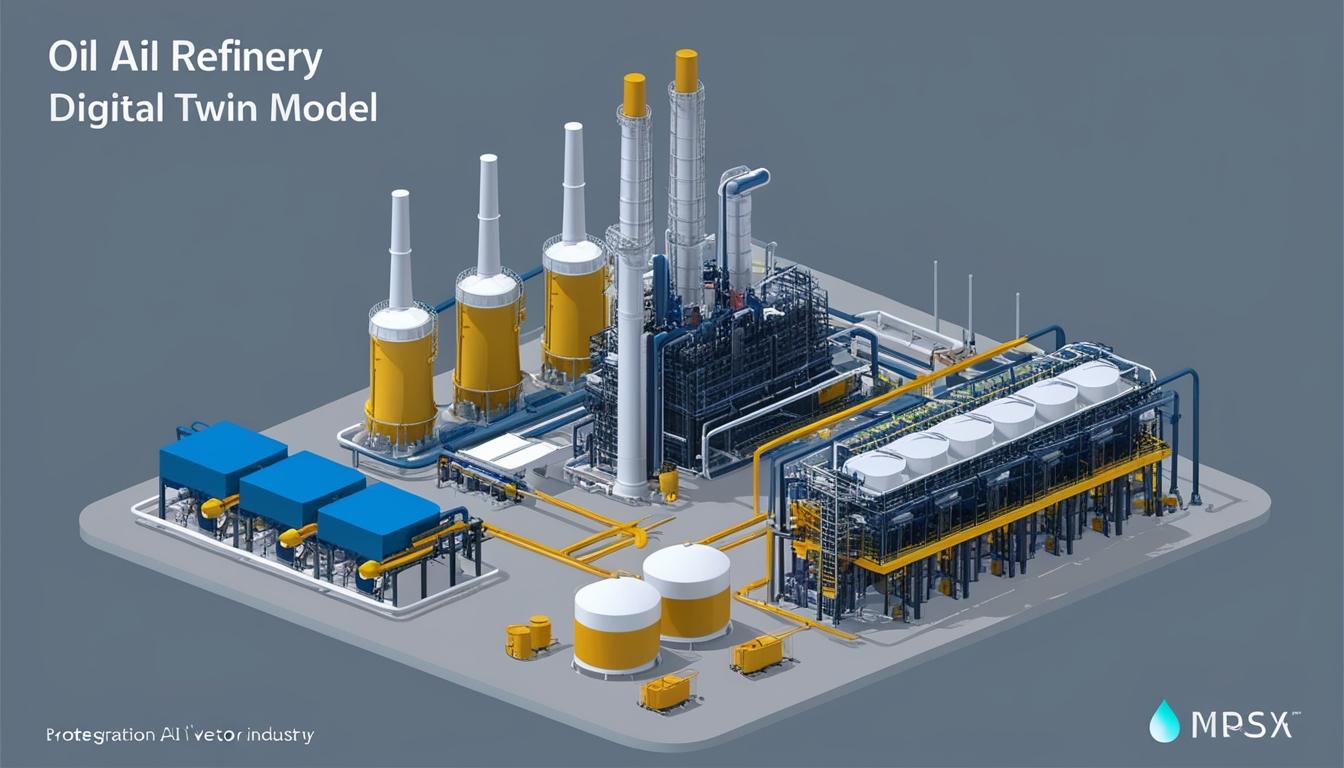
Kongsberg Digital, known for its focus on digital twins and simulation technologies, plays a significant role in this evolution. Digital twins act as virtual replicas of the physical assets used in the industry, including refineries and other upstream and midstream facilities. Lokin-Knegtering detailed how these technologies assist in enhancing operations and maintenance processes across organisations. By centralising data and reducing the silos between teams, digital twins ensure more cohesive and efficient end-to-end workflows, leading to overall operational improvements.
The conversation also delved into the advantages of such technologies, with Kongsberg Digital's notable clients like Shell and Chevron pioneering the exploration of digital twins since around 2018-2019. The current trend shows a broader interest, with smaller companies also beginning to appreciate and invest in these innovations. As such businesses possess fewer assets compared to industry giants, their dive into digital twins marks a significant shift in the industry landscape.
Kongsberg Digital's commitment to supporting companies in making informed decisions is evident through their suite of AI and digital solutions. By leveraging real-time data, their digital twin and physics-based simulators provide crucial inputs for timely decision-making, driving the client companies’ operational efficiency to new heights.
Looking ahead, Lokin-Knegtering is hopeful about continued growth in the AI and digital twin technology sectors within the oil and gas industry. She envisions an industry that integrates these technologies across the entire value chain, including upstream, midstream, downstream, and chemical sectors. Such ubiquitous adoption could standardise processes, such as filter maintenance and valve positioning, ensuring consistency and efficiency in execution.
The goal is not only to engage more companies, irrespective of size, but also to deliver tangible business cases for these technology implementations. This would allow digital twins to transition from futuristic concepts to concrete solutions, underpinning AI advancements and further technological innovations.
The Gastech 2024 discussions illuminate a promising future for digital transformation in oil and gas, with Kongsberg Digital leading the way in aligning technological potential with practical business needs.
Source: Noah Wire Services