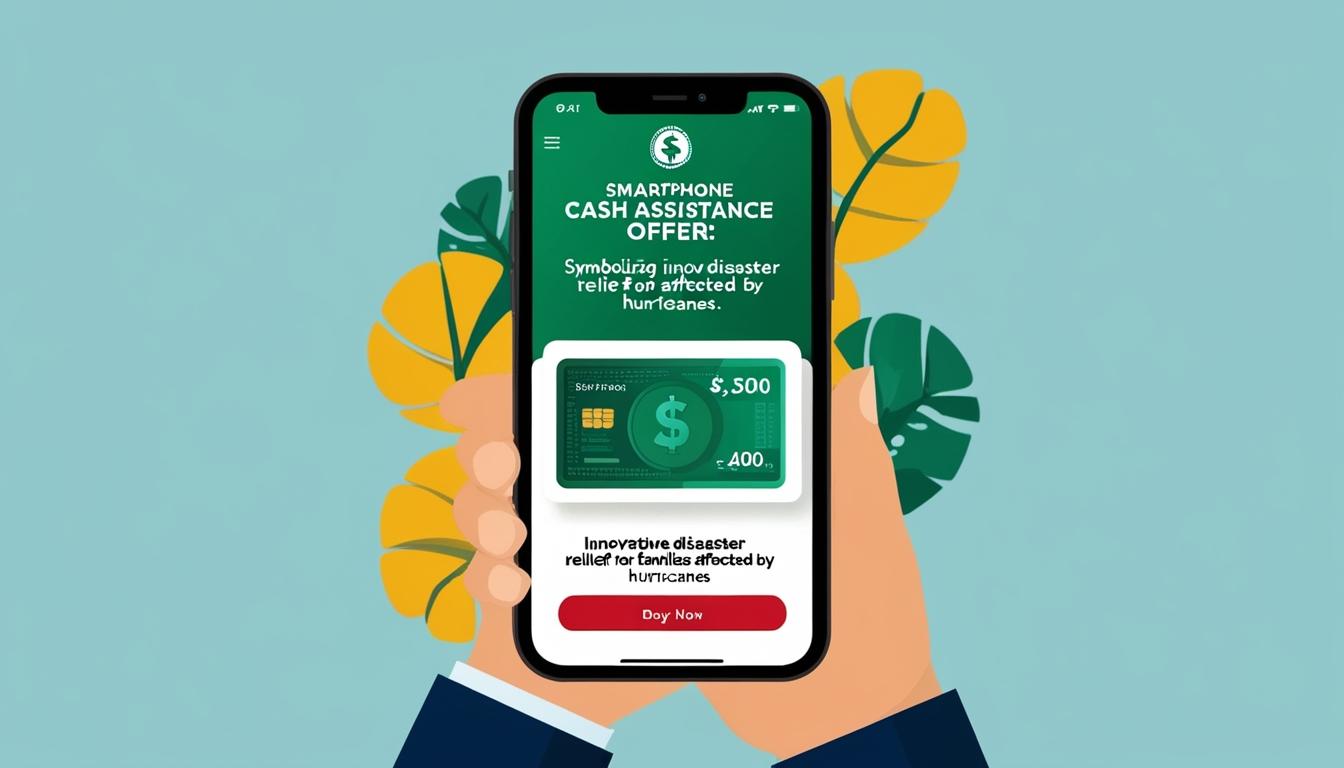
A groundbreaking disaster aid initiative is set to assist nearly 1,000 families affected by recent hurricanes in North Carolina and Florida. Scheduled to roll out this week, the program by the nonprofit organisation GiveDirectly aims to provide rapid and direct cash assistance of $1,000 to households devastated by Hurricanes Helene and Milton.
The innovative approach, not commonly seen in the realm of U.S. philanthropy, leverages technology to efficiently direct resources where they are needed most. Using a sophisticated artificial intelligence tool developed by Google, GiveDirectly identifies the locations with the greatest poverty levels and storm damage. These insights are then used to invite households in the most affected areas to register for the aid via a smartphone app, which is also utilised for managing SNAP and other government benefits. Eligible participants receive their donations through the app's debit card system.
This model is designed to streamline the aid process, enabling recipients to address their most immediate needs autonomously. Laura Keen, a senior manager with GiveDirectly, explained that the process removes barriers typically encountered in aid applications and allows people to make decisions on their needs without delay.
While the model represents a significant shift in disaster relief, it may not encompass all affected individuals. The selection process focuses on high-damage areas and those already enrolled in government benefits, which could inadvertently exclude some low-income or undocumented households. Additionally, the app's reach is limited to five million of the 22 million households on SNAP benefits, and power outages in some regions could impede accessibility.
Acknowledging these shortcomings, Keen emphasised the potential for a hybrid model, incorporating both remote and in-person registration, to address some of these limitations. The current initiative has secured $1.2 million in funding, including a significant donation from the Conrad N. Hilton Foundation.
Despite its imperfections, the programme highlights the advantages of cash aid over in-kind donations. Cash grants offer flexibility, enabling recipients to cover a wide array of needs such as accommodation during evacuations and childcare during school closures, which traditional aid packages like food and blankets might not address.
The programme is part of a broader movement towards cash-based disaster relief, which has seen interest from various stakeholders including FEMA. The federal agency recently updated its Serious Needs Assistance programme, increasing payments and simplifying the process to access funds. Yet, as some experts point out, the public sector faces constraints in rapidly adopting such models due to the need for accountability in taxpayer-funded aid.
The idea of direct cash payments is not unprecedented in the United States. Historical instances include the temporary expansion of the child tax credit into monthly payments in 2021, and sustained cash assistance efforts following disasters like the Great Smoky Mountains wildfires and the 2023 Maui wildfires funded by public figures.
There's ongoing research supporting the efficacy of cash aid, with studies indicating that recipients generally spend such funds wisely across basic needs. These insights could inform the design of future aid programmes, potentially maximising their impact and efficiency.
GiveDirectly's initiative could potentially set a precedent, encouraging both public and private sectors to consider direct cash transfers as a viable method for delivering rapid relief in the face of increasing climate-related disasters.
Source: Noah Wire Services