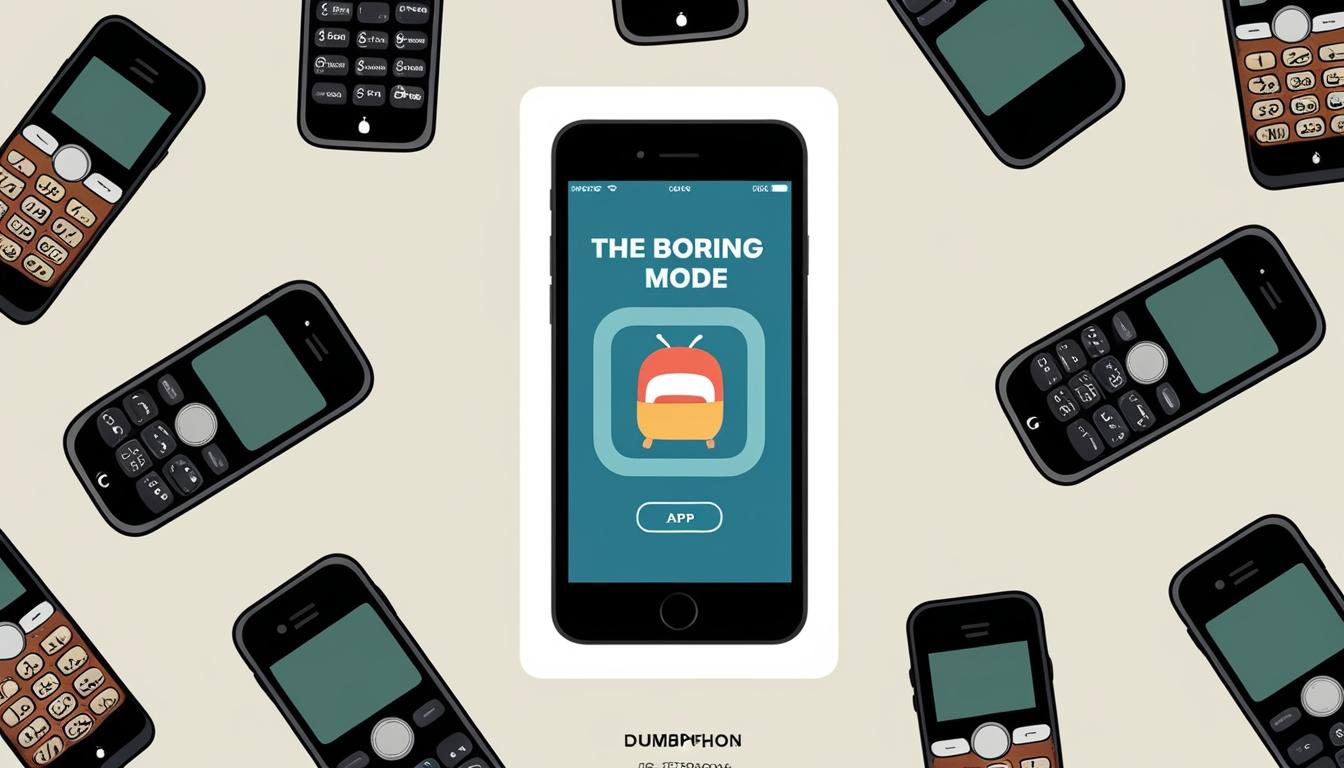
Dutch brewing giant Heineken has taken an innovative leap into the technology realm with the introduction of its new app, The Boring Mode. The app ventures to recreate the nostalgia of using a 'dumbphone', tapping into a growing trend of digital minimalism, where individuals seek a break from the overwhelming presence of smart devices. Officially launched at the Amsterdam Dance Event opening party, The Boring Mode captures the essence of the analog experience by temporarily disabling notifications, social media, and camera functionalities on users' smartphones.
The app, which is accessible without a fee on both the App Store and Google Play Store, was unveiled during a performance by the renowned Scottish music producer Barry Can’t Swim. The event was creatively utilised to highlight the app’s features; with infrared displays ingeniously placed behind the DJ set to spotlight audience members caught filming, subtly promoting the message of relishing the moment rather than capturing it.
Heineken's foray into the application industry aligns with its broader mission to encourage people worldwide to engage fully in real-life experiences without the persistent pull of digital distractions. The concept of The Boring Mode is deeply rooted in this ethos, following the company's previous hardware initiative, The Boring Phone. Developed in collaboration with fashion brand Bodega and phone manufacturer HMD, The Boring Phone was a limited-edition flip phone emphasizing essential functions only.
The move reflects a broader industry push towards digital balance, a trend gaining momentum as users look for mechanisms to mediate their interaction with technology. While modern smartphones are equipped with a range of digital wellness tools, such as app timers and various profile modes, there appears to be a segment of consumers seeking more decisive solutions. Dumbphones, for instance, inherently limit social media access and sophisticated media capture, nudging users towards engaging more with their surroundings.
Nevertheless, applications like The Boring Mode present a unique alternative by providing an adjustable experience. Users can activate the app during specific times, aiming to replicate the simplicity of a dumbphone without fully relinquishing modern connectivity options. The application does require several user permissions, a factor that might deter those wary of apps demanding extensive access to their devices.
Parallelly, in the tech sphere, Samsung's Galaxy AI continues to extend its global reach by supporting a vast array of languages. This linguistic accessibility fosters a more inclusive digital environment, permitting users to interact seamlessly across various languages. Through downloadable language packs, Galaxy devices offer services including text translation, webpage summaries, and real-time conversation translation, enhancing user engagement and connectivity. Initially available at no cost until the end of 2025, these features epitomise technological advancements aimed at overcoming communication barriers.
Both Heineken's and Samsung's latest ventures underscore the evolving interplay between digital innovation and user lifestyle preferences. By offering tools that promote digital moderation and fostering inclusivity through multilingual interfaces, these companies are navigating the dynamic needs of contemporary consumers. As technology continues to influence everyday life, developments such as The Boring Mode and Galaxy AI stand testament to the industry's shifting landscape, reflecting a nuanced understanding of digital interaction and connectivity.
Source: Noah Wire Services