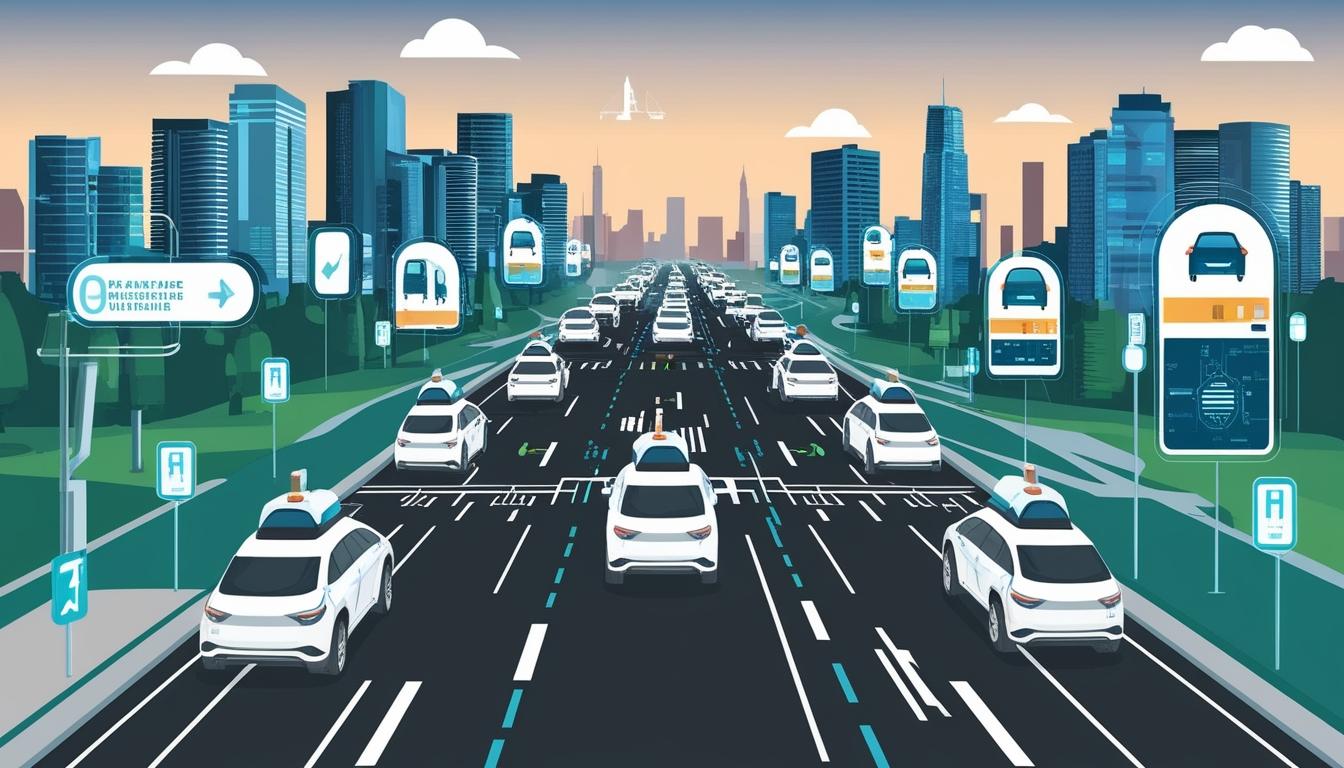
The evolution of artificial intelligence (AI) is significantly impacting the transportation sector across London, the UK, and Europe. Leading the charge are ten prominent AI transportation companies that have been identified as pivotal players in the industry for 2024-2025. These organisations are leveraging AI to enhance efficiency, safety, and sustainability in transportation systems. Here’s a closer look at these companies and their contributions to the transport landscape.
1. Siemens AG (Munich, Germany)
Siemens AG, a global leader in technology, is actively integrating AI into transportation. The company is advancing intelligent mobility systems to optimise infrastructure efficiency, reduce maintenance downtime, and ensure smooth operations. Their Mobility segment highlights innovations in rail signaling and autonomous train management, essential for future-ready urban transit networks.
2. DeepL (Cologne, Germany)
While primarily renowned for its language translation capabilities, DeepL's AI technology is extending its utility into transportation. By addressing communication barriers, DeepL aids multinational teams in more effective collaboration, playing a crucial role in logistics and customer support across various languages within European transport projects.
3. Synthesia (London, UK)
Synthesia is known for its AI-driven video creation technology, which is proving beneficial in the transportation sector. Utilised for employee training and communication, their solutions help convey complex operational processes and safety protocols, essential for both staff onboarding and public information campaigns about transportation systems.
4. Hitachi Ltd. (Tokyo, Japan, Operational in Europe)
Though based in Japan, Hitachi has a significant footprint in European transportation. The company focuses on smart ticketing and data analysis, which are instrumental in route optimisation and traffic reduction. Their AI-powered systems are utilised in public transportation, enhancing both operational efficiency and user experience through real-time travel updates.
5. Helsing (Munich, Germany)
Helsing is making strides in AI solutions for critical sectors, including transportation. With a focus on emergency management, Helsing's analytics tools enhance aviation and rail safety. Their AI technology supports informed decision-making during emergencies, vital for maintaining operational safety across networks.
6. Cubic Corporation (San Diego, USA, Operational in Europe)
Cubic Corporation is a key provider of public transport fare collection systems. Through AI integration, Cubic is enhancing fare management and optimising passenger flow. Their systems assist in predicting passenger volumes, helping to manage overcrowding and improve overall travel efficiency.
7. Kapsch TrafficCom (Vienna, Austria)
Vienna-based Kapsch TrafficCom is concentrated on intelligent traffic management systems. By deploying AI to monitor and optimise traffic flows, Kapsch aims to reduce congestion and enhance road safety. Their real-time traffic assessments provide actionable insights to prevent gridlocks and improve urban mobility.
8. Teledyne Technologies (California, USA, Operational in Europe)
Operating in Europe, Teledyne Technologies delivers advanced AI sensor solutions for transportation. Their digital imaging and infrared technology aid in the navigation of autonomous vehicles, particularly in adverse weather, thereby improving navigation and safety standards for these vehicles.
9. Indra Sistemas, S.A. (Madrid, Spain)
A global leader in intelligent transport solutions, Indra Sistemas offers AI-based traffic management systems. Their technology predicts traffic patterns, enabling cities to optimise public transportation routes and enhance overall mobility through smart traffic control.
10. Siemens Mobility (Berlin, Germany)
As a subsidiary, Siemens Mobility extends the technological prowess of Siemens AG, concentrating on the digitalisation of transport systems. Their AI applications, such as predictive maintenance and smart infrastructure, support the seamless operation of trains and buses, reducing downtime and improving sustainability in urban transport systems.
These companies are at the forefront of redefining transportation, employing AI to bring about transformative improvements in system efficiency, passenger experience, and operational safety. As AI technology continues to advance, these organisations are poised to shape the future of mobility across Europe, embedding intelligence into the very fabric of transportation networks.
Source: Noah Wire Services