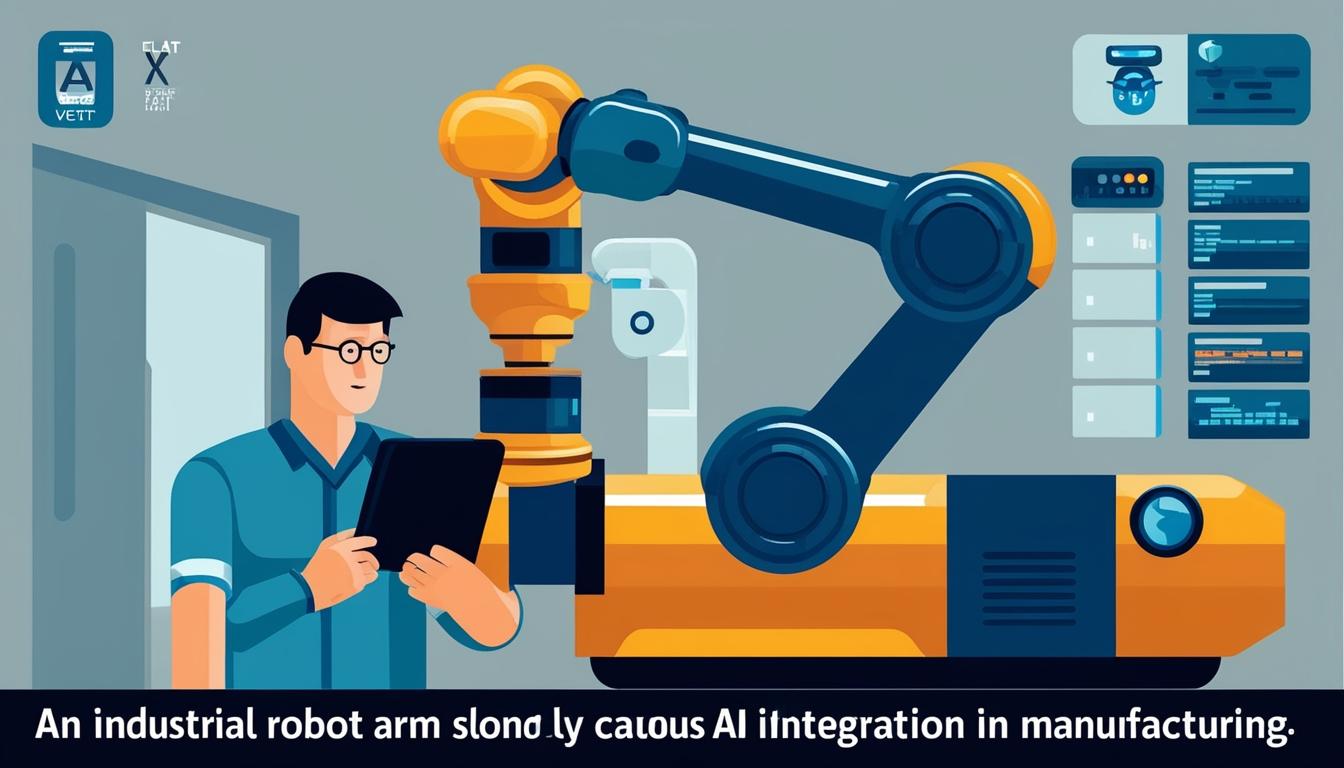
Manufacturing Sector Cautiously Embraces AI amidst Growing Interest
In recent developments within the manufacturing sector, the adoption of artificial intelligence (AI) technologies continues to evolve, albeit with significant caution. This trend is outlined in a recent survey by SAP insiders titled "AI—State of Adoption," which delves into the current status of AI integration across manufacturing organisations.
According to the findings, approximately 40% of manufacturing entities have no plans to integrate AI into their operations. However, there remains a notable interest in the technology, as 39% of respondents revealed intentions to implement AI within the next 12 to 24 months or are in the process of evaluating its potential for their businesses. A mere 21% have reported either ongoing or completed AI implementation within their organizational structures.
These statistics reflect a measured approach towards AI adoption, indicating that while enthusiasm exists, organisations prefer a cautious entry into the AI landscape. This highlights the necessity for the continual development and validation of AI technologies, ensuring they align effectively with the bespoke needs of the sector.
Among those integrating AI, the quest to enhance business processes and optimize operational efficiency appears as a primary motivator. Specifically, 32% of respondents identified the automation of repetitive and time-consuming tasks as the principal driver for AI utilisation. This move indicates a strategic pivot by organisations striving to boost productivity and allocate human resources towards impactful activities that could fortify competitiveness and enhance overall productivity. In conjunction, cost reduction remains a significant goal, with many organisations looking to streamline operations and bolster financial performance.
However, the potential of AI within manufacturing extends beyond these initial drivers. It is evident that AI's transformative capacity is boundless, provided that its implementation is undertaken with a pragmatic mindset. Companies such as QAD, providers of Enterprise Resource Planning (ERP) solutions, have exemplified steps towards helping manufacturers harness AI effectively for both personnel and procedural enhancement.
For users adopting pragmatic AI approaches, several benefits have been identified:
Enhanced Assistance: AI-powered ERP systems, like those developed by QAD, serve to augment human intelligence. By assisting users in daily tasks, these systems aim to enhance productivity and efficiency.
Comprehensive Solutions: A practical AI approach combines generative AI with machine learning and statistical analysis, forming a core AI model that can be customised to the unique needs of an organisation. This holistic solution ensures relevance and applicability.
Responsible AI Modelling: Developing AI models using pragmatic strategies involves integrating aspects of quality, privacy, and compliance. This limits biases by maintaining high standards for data quality and diversity. Additionally, utilising Large Language Models (LLMs) allows users to access the most pertinent information seamlessly.
Pragmatic AI Development: By focusing on specific business use cases and requirements, AI solutions are designed with tangible customer return on investment in mind, ensuring practical applicability throughout their development journey.
While AI holds significant promise for revolutionising the manufacturing domain, the conservative pace of adoption illustrates a landscape that is navigating through the complexities of technology integration judiciously. As AI technologies continue to mature, it is likely that an increasing number of organisations will explore these innovations with an eye towards enhancing their competitive edge in an ever-evolving industrial environment.
Source: Noah Wire Services