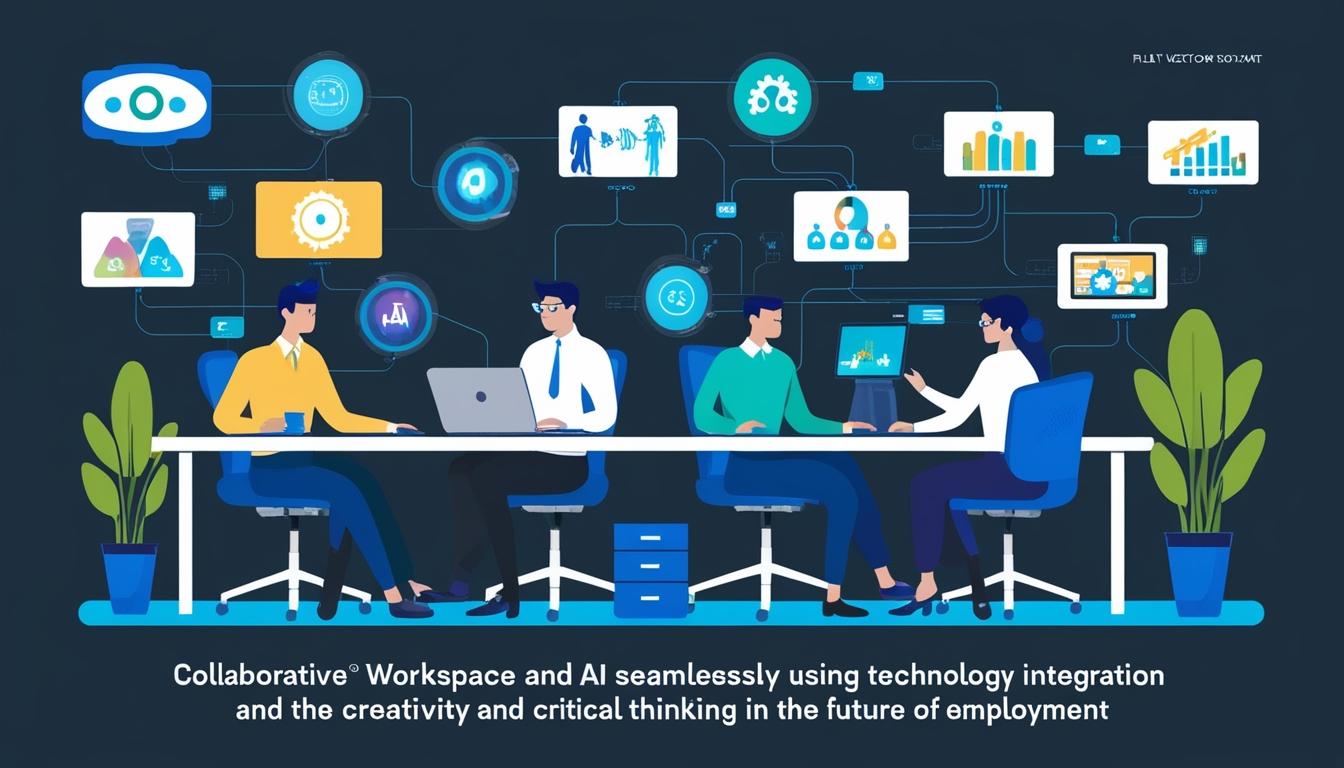
In recent years, the rapid advancement of artificial intelligence (AI) has transformed what was once considered the stuff of science fiction into tangible reality, profoundly impacting the global employment landscape. The emergence of AI technologies such as machine learning, natural language processing, computer vision, and robotics, has sparked vigorous discussions about the future of work. As AI systems automate tasks, analyse large datasets, and even create original content, concerns about job displacement have mounted. Nonetheless, these developments also herald the arrival of new opportunities.
Understanding AI's diverse capabilities is crucial as individuals and industries navigate this complex transition. AI functions not as a standalone entity, but rather as a collection of technologies utilised to automate routine tasks and enhance workflow efficiency. Industries that depend heavily on repetitive tasks might face significant transformation, yet it is vital to acknowledge AI's role as a tool. Its effects vary greatly depending on its application. While certain jobs face automation, the rise of positions dedicated to developing, implementing, and managing AI systems offers a fresh perspective on employment opportunities.
Amidst these developments, a shift in mindset and skillset is becoming increasingly essential for individuals seeking to thrive in the evolving job market. By embracing lifelong learning, tech literacy, and sharpening critical thinking and problem-solving skills, individuals can ensure they remain competitive. Understanding AI concepts enhances collaboration with these systems, and strengthens the ability to leverage their potential. Creativity, emotional intelligence, and interpersonal skills also gain prominence, offering an edge where human capabilities still surpass AI's reach. Adapting to changes with resilience and focusing on niche specialisations can provide a competitive advantage in a world progressively influenced by AI.
Beyond individual initiatives, the transition to an AI-centric workplace necessitates cooperative efforts from businesses, educational institutions, and governments. Businesses must prioritise training and reskilling programs, ensuring their workforce is equipped for an AI-enhanced environment. This involves creating roles that utilise the synergistic strengths of humans and AI. Educational institutions play a significant role in this transition by incorporating AI-related subjects and essential skills like critical thinking into their curricula. For policymakers, addressing societal impacts such as job displacement and income inequality through strategic policies and investment in reskilling initiatives is crucial for fostering a balanced adaptation to AI advancements.
The narrative surrounding the future of work is gradually shifting from one of competition between humans and machines to collaboration. As individuals embrace lifelong learning and adapt to the evolving employment landscape, the potential for fruitful collaboration between humans and AI emerges. By focusing on distinctly human traits and skills, such as creativity, complex communication, and ethical decision-making, humans can find their niche alongside AI technologies. This collaboration holds the promise of unlocking unprecedented levels of productivity, innovation, and progress, highlighting a future where humans and machines work together to achieve shared goals.
Source: Noah Wire Services