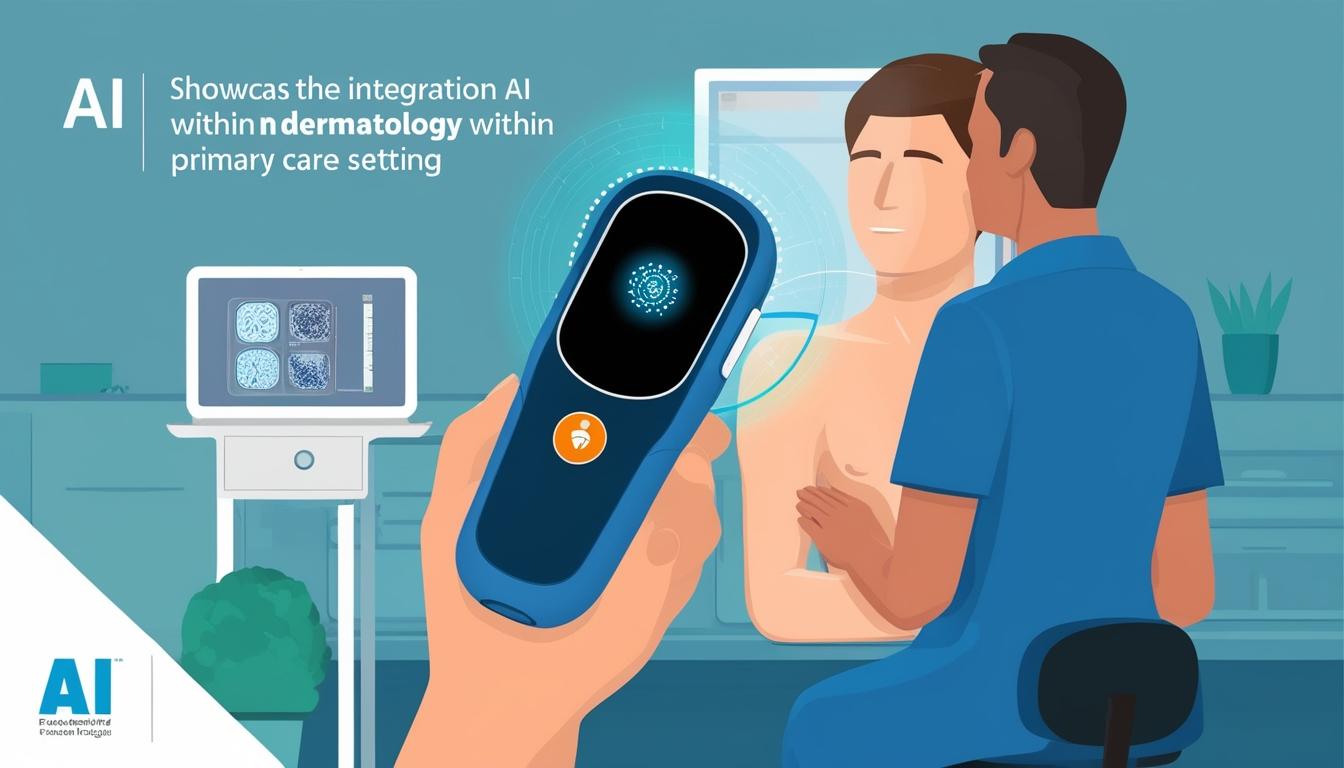
A groundbreaking advancement in dermatological diagnostics has been introduced with the new FDA-approved handheld device, DermaSensor, designed specifically for use in primary care settings. The device, which leverages artificial intelligence, is aimed at assisting primary care clinicians in the initial assessment of potentially suspicious skin lesions. This technology could streamline the decision-making process regarding whether further investigation or specialist referral is necessary.
The DermaSensor device serves an important role in primary care by supporting clinicians who are often the first point of contact for patients with skin concerns. Dermatologist Dr Rebecca Hartman recently discussed the innovation in an interview with Patient Care®. The device operates by scanning the skin lesion in question and then provides one of two outcomes: "Investigate Further" or "Monitor". This simplified result can help distinguish between lesions that need further specialist examination and those that may be benign and simply monitored over time.
The primary advantage of DermaSensor is its ability to potentially reduce the number of unnecessary referrals to dermatologists, thus conserving medical resources and reducing patient anxiety associated with specialist visits. The device achieves this through its high sensitivity and specificity, which Dr Hartman emphasised as being crucial for effective use in the fast-paced environment of a general practice clinic.
This innovative approach to dermatologic screening represents a significant step forward in integrating artificial intelligence into routine medical assessments in the primary care setting. With the convenience of a handheld format, DermaSensor can be easily incorporated into a clinician's toolkit, providing quick and reliable auxiliary support during patient consultations.
As the healthcare industry continues to embrace technological advancements, devices like DermaSensor highlight the ongoing evolution in medical diagnostics. This development could enhance the quality of care by enabling primary care providers to make better-informed decisions regarding skin lesions, ultimately improving patient outcomes and resource management in the healthcare system.
Source: Noah Wire Services