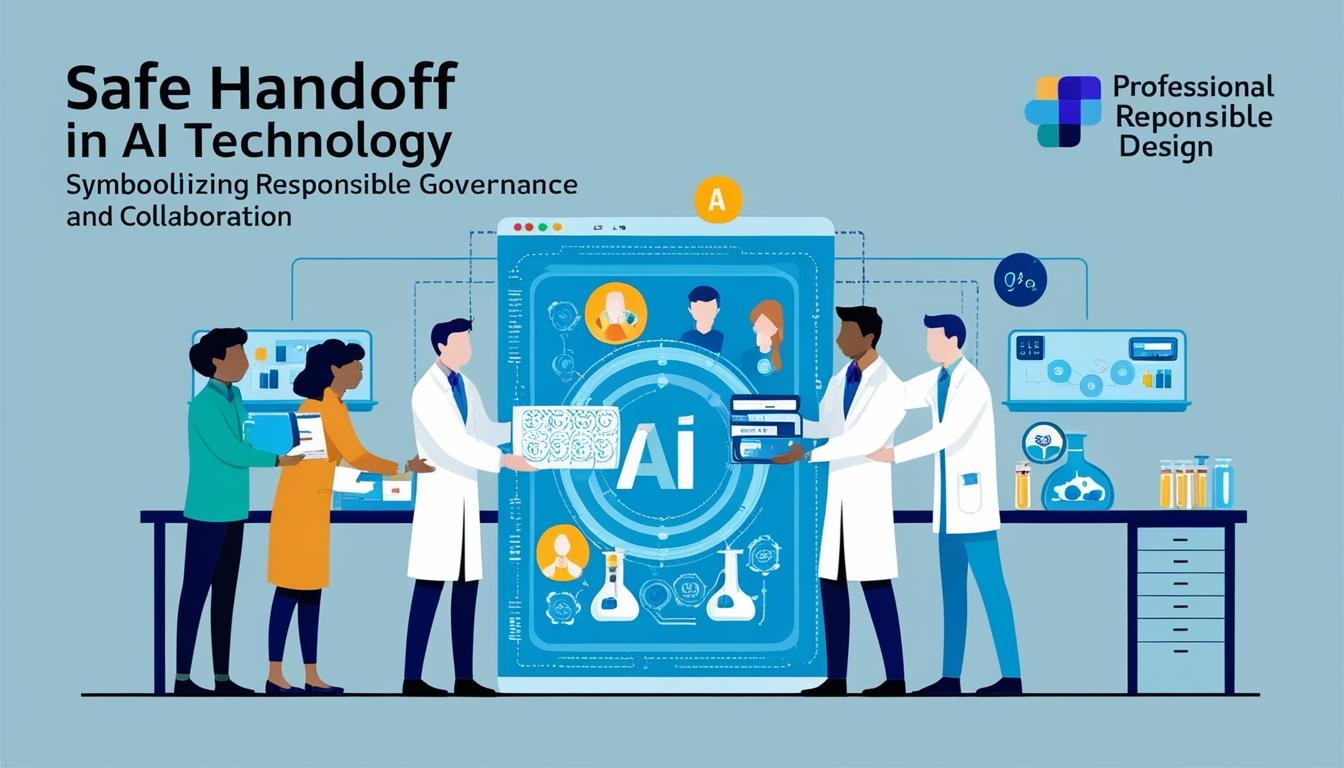
New Framework Aims to Ensure Responsible Transition of AI Technologies
In a significant attempt to bridge the growing gap between the rapid advancement of artificial intelligence (AI) technologies and the slower development of governance policies, a new initiative has been launched to address risks associated with AI use across various sectors. This move comes as scientists and experts have raised concerns about the potential dangers posed by unchecked AI development, particularly in vital areas like healthcare.
The "responsible handover framework" has been developed by the charity Sense About Science, in collaboration with multiple partners involved in AI and data science. This initiative is intended to assist entities across different fields in managing the safe transition and adoption of AI-based tools, aiming to mitigate risks stemming from improper use or understanding of these technologies.
A key issue highlighted by Sense About Science is the current absence of regulations governing the safe development and deployment of software and applications, akin to those existing for pharmaceuticals and medical devices. Tracey Brown, the director of Sense About Science, cited specific instances, such as diagnostic applications for skin cancer that were primarily tested on lighter skin tones, resulting in inaccuracies when applied to individuals with darker skin tones. This exemplifies the real-world bodily harm that can occur due to a lack of understanding about the context and appropriate deployment of AI tools.
The newly developed framework draws inspiration from protocols used in the engineering and commissioning of physical infrastructure and is crafted to preserve critical information throughout the various stages of AI tool development and implementation. This approach aims to ensure that knowledge is not lost as tools transition from code development to real-world application.
A typical scenario may involve a statistician handing over an AI tool to a researcher. If the original data, model assumptions, or testing methods are not adequately conveyed, the researcher might conduct less comprehensive tests, passing the tool to an app developer with incomplete information. This chain of incomplete handovers can result in significant gaps by the time the tool is used by a clinician to make decisions that directly impact patient health.
To combat this issue, the framework outlines prompts and guidelines that script the handover conversation between parties, ensuring an understanding of a tool's origin, capabilities, and limitations. It also specifies the essential information to share and the critical questions that should be asked by organisations and users to validate the tool's safety and reliability.
Notable figures in science and technology governance have voiced support for this initiative. Sir Peter Gluckman, chair of the International Science Council, emphasised the propensity for AI tools to be rushed into the public domain without proper evaluation of their unintended consequences, posing potential hazards to individuals, communities, and broader civic and environmental settings.
Similarly, Tariq Khokar, head of data for science and health at Wellcome, remarked on the increasing computational nature of modern science and research. He highlighted the growing necessity for responsible governance frameworks to safeguard the digital tools that are becoming ever more integral to these fields.
The framework is now available, aiming to guide stakeholders in executing responsible transitions of AI technologies, ensuring both the safety and efficacy of these potent tools as they become more embedded in societal structures.
Source: Noah Wire Services