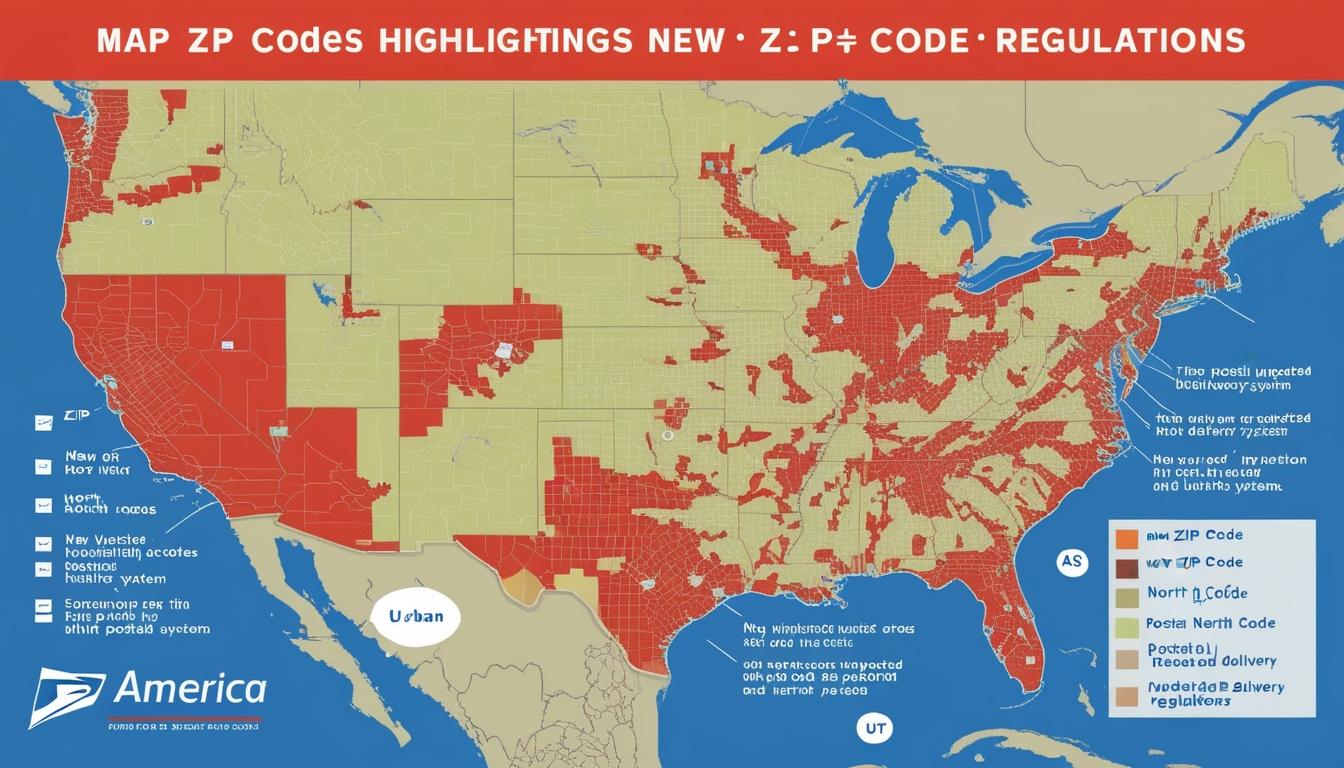
New Zip Code Regulations Announced Across Various North American States and Territories
In a recent move aimed at improving the efficiency and accuracy of mail delivery services, new postal regulations concerning zip codes have been announced across a broad range of North American states and territories. This update affects a wide geographic area, including all 50 U.S. states, several U.S. territories, as well as Canadian provinces.
The initiative, unveiled by postal authorities, seeks to streamline postal operations by refining the zip code system, a critical component used to determine delivery routes. The changes ensure that mail is delivered more quickly and accurately to its intended destination. This adjustment is expected to have significant impacts in densely populated states such as California, New York, and Texas, where postal operability can often be challenged by the volume of mail processed.
In the United States, territories such as Puerto Rico, the U.S. Virgin Islands, and Guam are also a part of this postal update. Armed Forces postal services across the Americas, Pacific, and Europe, which facilitate mail for military personnel, are included in these changes, aiming to provide them with the same level of service efficiency.
Moreover, Canadian provinces including Alberta, British Columbia, and Ontario, among others, are part of the extensive list of areas affected by the update. As some of the largest provinces by population and area, the updates in these regions are aimed at responding to the unique logistical challenges faced in diverse geographies, from urban centres to remote rural areas.
For Northern territories, such as the Yukon and Northwest Territories, as well as remote locations like American Samoa and Northern Mariana Islands, these changes may help alleviate some of the traditional difficulties in mail delivery due to their geographic isolation.
The introduction of these new zip code regulations may require residents and businesses to adjust to a revised postal system. However, postal authorities have indicated that they will provide resources to help with the transition, including hotline support and online tools to look up the new details.
While this regulatory update proposes no immediate changes for end-users beyond the updated coding, businesses, especially those dependent on logistics and supply chain operations, are expected to pay close attention to the integration of these new zip codes in their shipping and handling processes.
This comprehensive update aims to modernize mail delivery services across the continent, reflecting a substantial effort to harness more effective logistics operations in both urban and rural settings, while supporting the underlying infrastructure of cross-border mailing systems between these regions.
Source: Noah Wire Services