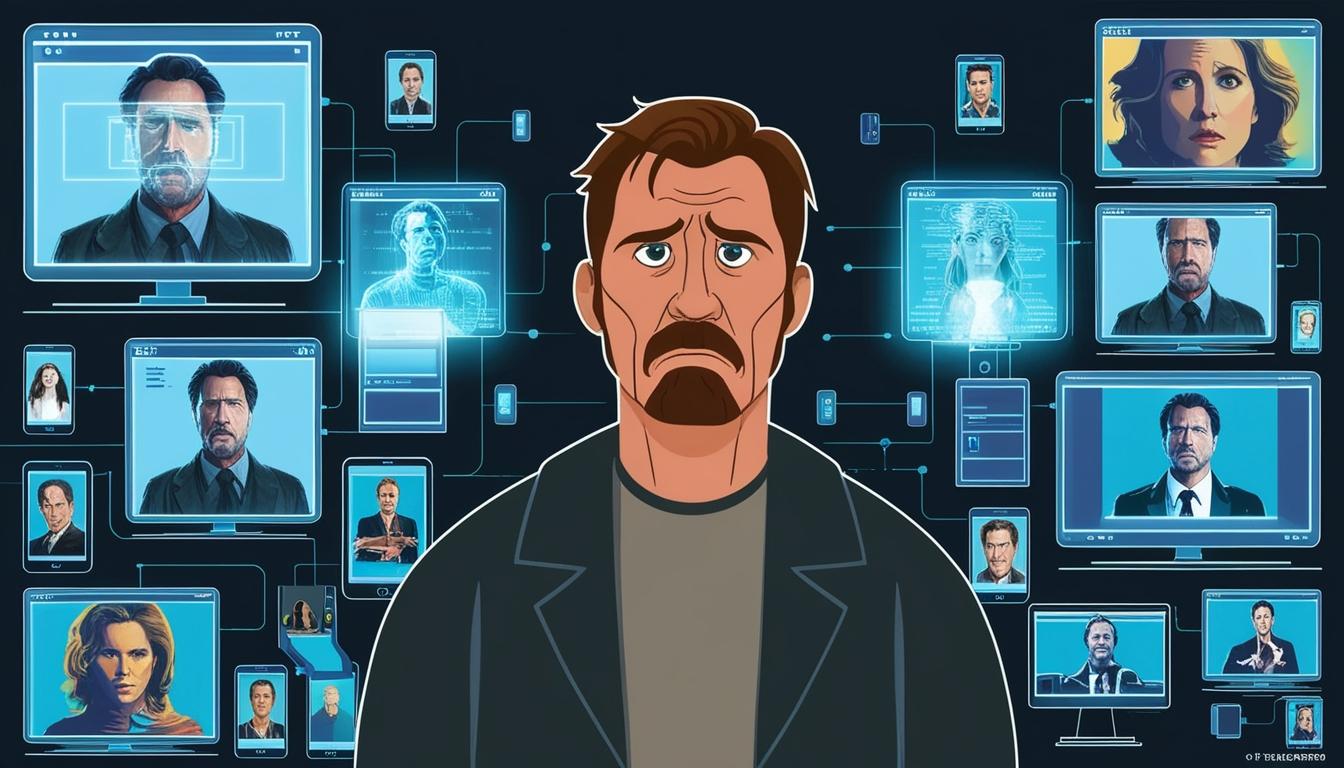
Nicolas Cage, the acclaimed actor known for his dynamic performances across a multitude of film genres, has once again voiced his trepidation about the increasing role of artificial intelligence in Hollywood. Speaking at the 25th Newport Beach Film Festival, Cage expressed his concerns about the implications of AI for future generations of actors, particularly referring to the emergent technology known as "employment-based digital replicas" (EBDRs).
During his speech ahead of receiving the Icon Award at the festival’s Honors Brunch, Cage elaborated on this technology, which has become a notable aspect of the contract negotiated between SAG-AFTRA, the actors’ union, and film studios following recent industry strikes. EBDRs involve creating a digital version of an actor as part of their employment on a film. This process could entail scanning an actor’s body, with compensation linked to the work that would have otherwise been performed by the actor physically. Importantly, actors are entitled to residuals from appearances made by their digital counterparts in final productions.
Cage warned that studios possessing such technology would be able to alter various facets of an actor's performance, such as facial expressions, voice, line deliveries, and body language, potentially without further input from the actor. He emphasised the importance of actors maintaining control over their craft, referring to it as their "instrument" and cautioning against ceding that control too easily.
The actor proposed a mnemonic when considering contracts involving EBDR: "MVMFMBMI," which stands for "my voice, my face, my body, my imagination." This, he urged, should be the response when protecting their artistic identities.
Cage's antipathy towards AI in filmmaking is not newfound. Earlier in July, during an interview with The New Yorker, he expressed palpable anxiety about undergoing a digital scan for an upcoming role. Cage conveyed his apprehensions that such technologies might undermine the essence and authenticity of acting, ultimately questioning the impact on the artist's truth and the intrinsic 'heartbeat' of performance.
Moreover, Cage raised ethical concerns about posthumous use of actor likenesses by AI, describing such actions as "inhumane." In a December 2023 interview with The Associated Press, Cage highlighted the unsettling prospect of deceased actors being digitally resurrected for new roles without consent, referencing the plans to use an AI-generated version of the late James Dean in modern films - an example which sparked considerable debate in the industry.
The discussion around AI's role in the entertainment industry continues to ignite divergent viewpoints. While some see potential for creative expansion, others, like Cage, are wary of its implications for artistic integrity and the livelihoods of performers. This debate gains further complexity as AI technology evolves, posing new questions about authenticity, consent, and ownership in an increasingly digital landscape of cinematic production.
Source: Noah Wire Services