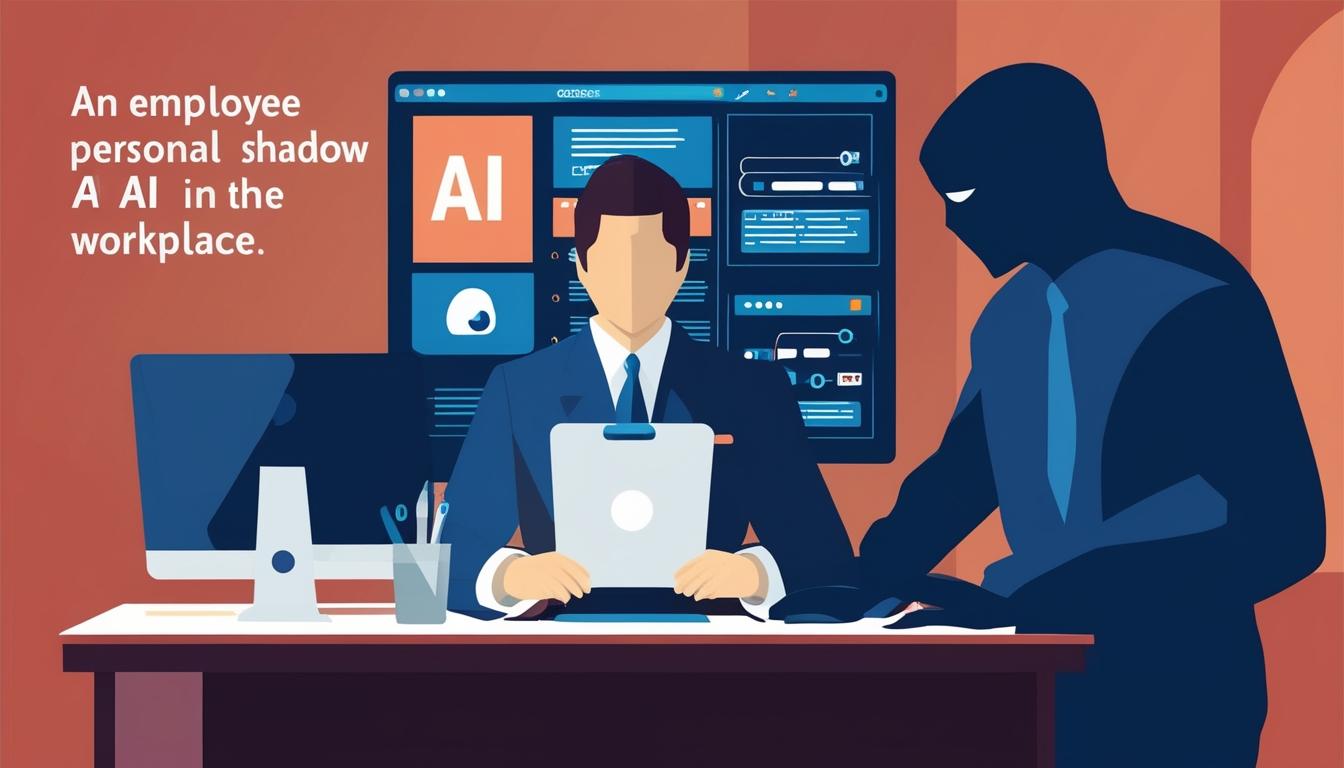
A recent study conducted by Software AG, a leading software company, has unveiled significant usage of Shadow AI tools among employees across various organisations. The research highlights that approximately 50% of the surveyed 6,000 knowledge workers have incorporated non-company sanctioned AI tools into their daily workflow. These findings underscore the prevalent reliance on personal AI applications within workplace settings.
The study delved into workers' preferences and attitudes towards using these tools, revealing that a significant proportion, 46%, of those utilising personal AI technologies are unwilling to relinquish them even if prohibited by their organisation. This statistic signals a critical need for organisations to develop robust AI strategies to mitigate potential risks associated with unregulated AI tool usage.
Software AG’s Director, Steve Ponting, commented on these emerging trends, predicting that while GenAI experimentation characterised 2023, the upcoming year will see its increased adoption. The study shows that 75% of knowledge workers currently utilise AI, a figure expected to rise to 90%, attributed to perceived benefits such as time-saving (83%), job facilitation (81%), and enhanced productivity (71%). However, Ponting warns that increasing AI utilisation heightens the risk of cyber threats, data breaches, and regulatory violations, urging business leaders to proactively plan for these eventualities.
The survey sheds light on the individual impact of AI tools, with nearly half (47%) of employees believing that these technologies could expedite their promotional prospects. This suggests a future where AI use becomes integral to workplace roles and career advancement strategies.
Addressing the reasons behind the preference for personal AI tools, the study found that 53% of employees enjoy their independence, while 33% indicate that their IT departments fail to provide the necessary tools. This indicates a potential gap in organisations' tool offerings, which could be addressed through more employee-centric selection processes.
Despite the widespread adoption of Shadow AI, the study also reveals awareness of its associated risks. A significant percentage of workers recognise potential dangers such as cybersecurity threats (72%), issues with data governance (70%), and the risk of inaccurate information. However, few take precautionary measures, with only 27% running security scans and 29% checking data usage policies.
J-M Erlendson, Software AG’s Global Evangelist, noted a disparity in preparedness between regular and occasional AI users. Regular users tend to be more adept at risk management, underscoring the necessity for organisations to enforce comprehensive training programmes. Erlendson warned of operational disarray exacerbated by unregulated AI use and advocated for transparent frameworks to guide their processes. He stressed that understanding employee preferences and providing adequate training are fundamental to managing Shadow AI effectively.
As the integration of AI tools becomes increasingly prevalent in workplaces, these findings from Software AG highlight a pressing need for companies to develop and implement strategic approaches to leverage and manage such technologies, ensuring both innovation and security in the workplace.
Source: Noah Wire Services