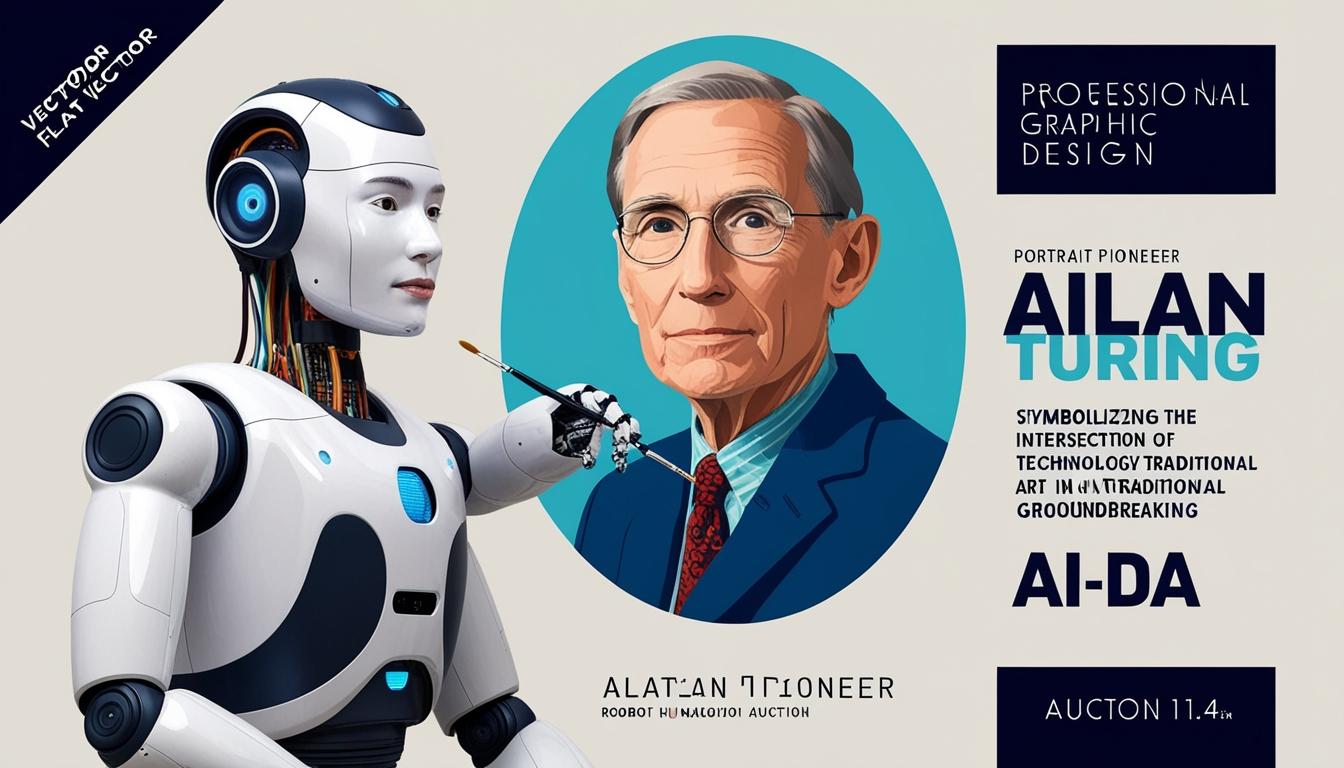
Sotheby’s to Host First-Ever Auction of AI-Created Artwork
Sotheby’s, a renowned global auction house, is set to make history with its inaugural auction of a piece created by an "AI artist". The auction will feature a portrait titled "AI God", depicting AI pioneer Alan Turing. The artwork was produced by a humanoid robot named Ai-Da, which employs a combination of AI algorithms, embedded cameras, and a robotic arm to paint. Ai-Da is distinct in that, unlike typical AI-generated art composed digitally, it physically paints on canvas, integrating a blend of technology and traditional art methods. The piece is expected to fetch between $120,000 and $180,000.
This groundbreaking auction mirrors a similar event in 2018, when Christie’s sold "Portrait of Edmond de Belamy", another AI-created artwork for an impressive $432,500. While AI-generated artworks have been making waves on the internet and in exhibitions like Art Basel, the Sotheby’s listing signifies a significant move in embracing AI-driven creativity amidst ongoing debates regarding AI’s role in art and its rights as a creator.
Growing Discontent Among Creatives
Amid Sotheby’s historic auction, there is increasing unrest among artists concerning the rise of AI in the creative space. Over 15,000 artists, writers, and musicians have signed an open letter protesting against the unauthorized use of their works to train AI models. Ed Newton-Rex, who organised this action, brought attention to the exploitative nature of AI model training, where data—the works of artists—is often used without consent or remuneration. This comes alongside other controversies, such as a former OpenAI researcher’s candid criticism of the company's alleged copyright breaches.
AI Art in Commercial Enterprises
Not only are auction houses embracing AI art, but technology companies are also integrating AI models for commercial gain. Companies like Adobe and Canva have incorporated AI tools to enhance their digital image creation and editing services, driving profits through subscriptions. These advancements have fueled the debate on whether AI art diminishes the value of human-created art and the ethical use of personal works in AI training.
Increased Awareness of AI Security Risks
In parallel developments in the AI sector, security researchers have identified thousands of malware-infested AI models on Hugging Face, a popular platform for model hosting, raising alarms over cybersecurity. These malicious models have been cunningly disguised as reputable company offerings, with one particular model mimicking 23andMe to extract AWS credentials.
Anthropic and Google’s Latest Innovations
Anthropic has launched an experimental new feature for its Claude model, allowing it to perform tasks on a computer much like a human user. This innovative step edges AI closer to becoming sophisticated virtual assistants capable of executing complex tasks. Meanwhile, Google has released its SynthID Text technology for watermarking AI-generated content, as part of wider efforts to ensure authenticity and traceability in AI creations.
Tragic Implications of AI on Mental Health
The impact of AI technology extends beyond art and commerce to deeply personal areas, as highlighted by a lawsuit against Character.AI by a Florida mother. Her 14-year-old son, who became engrossed with a chatbot, tragically took his own life. The case underlines concerns about the emotional impact of AI interactions on vulnerable individuals.
Leadership Changes in AI Policy
In a notable resignation, Miles Brundage, formerly OpenAI’s policy lead, has stepped down, advocating for open policy research in the nonprofit sector. His departure signifies a focus on transparency and ethical preparedness in AI development, which has been a contentious subject within the company.
The developments across these various domains underscore the multifaceted nature of AI’s integration into everyday life, prompting both technical advancements and critical dialogues on ethical use and impact.
Source: Noah Wire Services