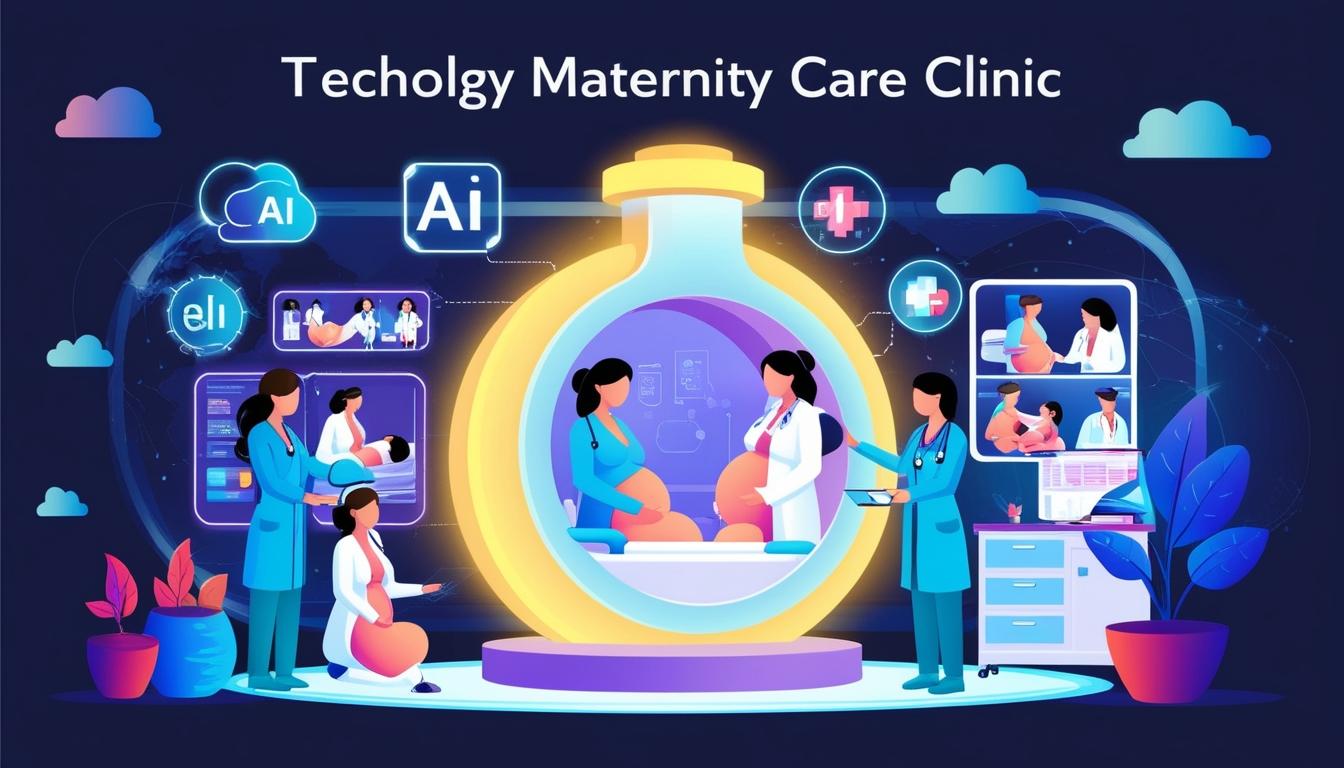
A recent meta-analysis published in eClinicalMedicine has highlighted the potential of artificial intelligence (AI) tools and clinical software to enhance maternity care services. This extensive study involved the examination of over 12,000 research papers, with a focused review on 87 articles that analysed various AI and Clinical Decision Support Systems (CDSS). The data included records from over 5.2 million pregnancies in both high- and low-income countries, demonstrating that the use of these advanced tools can improve pregnancy outcomes by a factor of 1.69.
The findings are particularly significant for healthcare systems like that of the United Kingdom, where digital transformation of the National Health Service (NHS) has been prioritised as a means to enhance care efficiency and cut costs. The successful incorporation of CDSS tools into maternity settings is anticipated to play a crucial role in this transformation. Similarly, in the United States, the positive results of this meta-analysis add momentum to the burgeoning interest in digital healthcare solutions.
Neil Cockburn, Health Informatics Research Fellow at the University of Birmingham and lead author of the study, shed light on the global pressures faced by maternity services. "Maternity services are under huge pressure in the UK and internationally, and that makes it challenging to offer safe services," Cockburn stated. He suggested that AI and related software tools present a viable solution, aiding expectant families and healthcare professionals in making informed and safe decisions.
The research analysed CDSS implementations across 49 high-income and 38 low- and middle-income countries, noting varied outcomes but generally positive improvements in maternity care. For instance, a trial conducted at Bristol University illustrated how women making decisions about vaginal births after a cesarean could benefit, contributing to a reduction in overall cesarean rates. Meanwhile, another study, backed by Tommy’s National Centre for Miscarriage Research, highlighted a risk-prediction model for ectopic pregnancies that improved the triage and safety of high-risk cases.
A standout aspect of the research was its focus on the context-specific application of these systems, emphasising the need for tailored implementation to achieve optimal results. This study is pioneering in its systematic review of CDSS tools applied to maternity care, offering valuable insights for clinicians, developers, and researchers. These insights could be instrumental in the U.S., as the nation seeks strategies to tackle its relatively high maternal and infant mortality rates.
By illustrating the efficacy and potential of AI and related technologies in improving maternal and fetal health outcomes, this study paves the way for significant advancements in maternity care practices. As digital transformation continues to unfold in the healthcare sector globally, the integration of such technologies is expected to yield substantial benefits for both patients and healthcare providers alike.
Source: Noah Wire Services