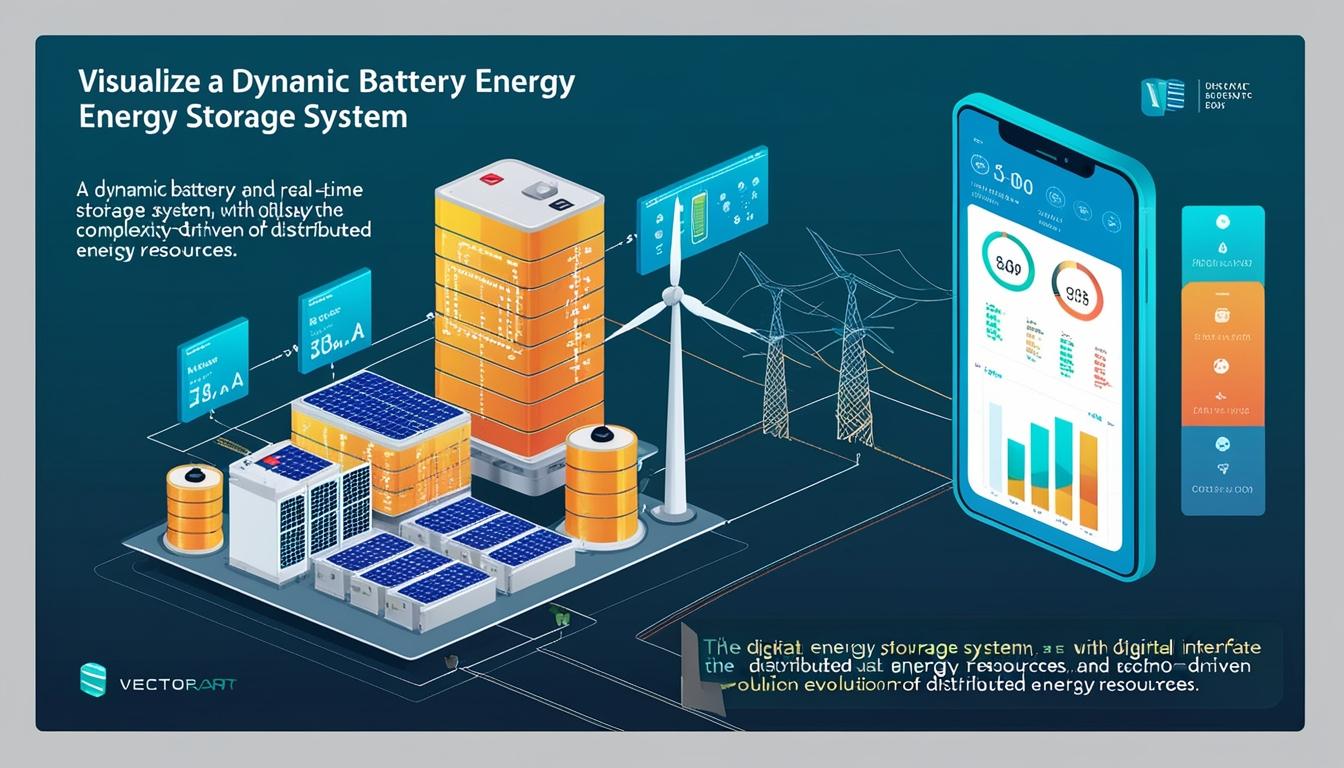
The Evolving Landscape of Distributed Energy Resources: A Shift Towards Complexity
The landscape of Distributed Energy Resources (DERs) is experiencing a transformative period, transitioning from a straightforward operational paradigm to a more intricate and dynamic system. This evolution, driven by the requirement to manage multiple value streams and costs in real-time, necessitates the use of advanced technology for predictive capabilities, automation, and constant recalibration.
The Transition from Predictability to Complexity
Previously, the management of DERs involved predetermined schedules and uncomplicated operational frameworks. Energy managers could predict their needs, whether they were involved in Demand Response (DR) programmes or managing Combined Heat and Power (CHP) systems. The focus was on consistent output and minimal engagement with fluctuating market conditions. However, this static nature of operation has given way to a more active role for energy sites, requiring them to be agile and reactive to emerging conditions and opportunities.
The Modern-Day Challenge: Navigating Multiple Revenue Streams
Today's DER operators face the challenge of handling multiple and diverse value streams that must be balanced concurrently. These range from participating in ISO markets to dealing with utility demand charges and adhering to carbon ordinances. This has led to a more sophisticated operational environment where quick decisions, supported by predictive analytics and real-time data, are fundamental.
The opportunities for revenue and savings have also expanded. DERs must now assess whether to partake in a DR event or focus on longer-term savings, such as reducing their Installed Capacity (ICAP) charge. The potential returns from choosing the right option can be substantial. For instance, participating in monthly transmission peaks could save operators substantial amounts, overshadowing the benefits from DR revenue if not chosen wisely. Moreover, in locations like Massachusetts, DERs are involved in intricate operations with systems like battery energy storage facing multiple layers of decision-making. These involve annual ICAP charges, monthly transmission demand charges, utility DR programmes, and the Clean Peak Standard, among others, each with its own implications on operational strategy and financial outcomes.
Case Study: Massachusetts Battery Operations
A battery energy storage system in Massachusetts exemplifies this modern complexity. Here, operators must navigate several competing value streams daily, all influenced by ICAP charges, transmission demand charges, and DR programmes. Moreover, the Clean Peak Standard adds another layer, providing additional revenue, albeit with specific participation criteria that sometimes overlap with utility peak demands. This requires sophisticated decision-making to maximise the "double counting" of value streams during strategic periods. Furthermore, the participation in ISO capacities and the prospects of capturing revenues during energy scarcity events also rely on timely and informed dispatch decisions.
Technological Solutions for Modern DER Management
In this increasingly complex environment, operational competence alone is insufficient. The incorporation of advanced technological solutions, including predictive analytics and automated control systems, is crucial. These technologies enable DER operators to make informed decisions quickly and efficiently, adapting to rapidly changing market conditions without missing opportunities or incurring unnecessary costs.
The ability to react to market demands, predict peak events, and balance revenue generation while minimising carbon emissions is now essential. This new operational framework implies that traditional practices no longer suffice. Instead, automated systems and intelligent data analysis are key components in ensuring DER operators not only keep pace but lead in the current energy landscape.
The Future of DER Management
As energy markets evolve and regulations continue to shift, the complexity of DER management is set to increase further. Operators who embrace these changes by leveraging technology and real-time data insights are likely to optimise the value derived from their resources. In contrast, those adhering to outdated models may miss significant savings and revenue enhancement opportunities. The future of DERs hinges on automation, responsiveness, and intelligent forecasting, shaping a new hierarchy in the industry where adaptability defines success.
Source: Noah Wire Services