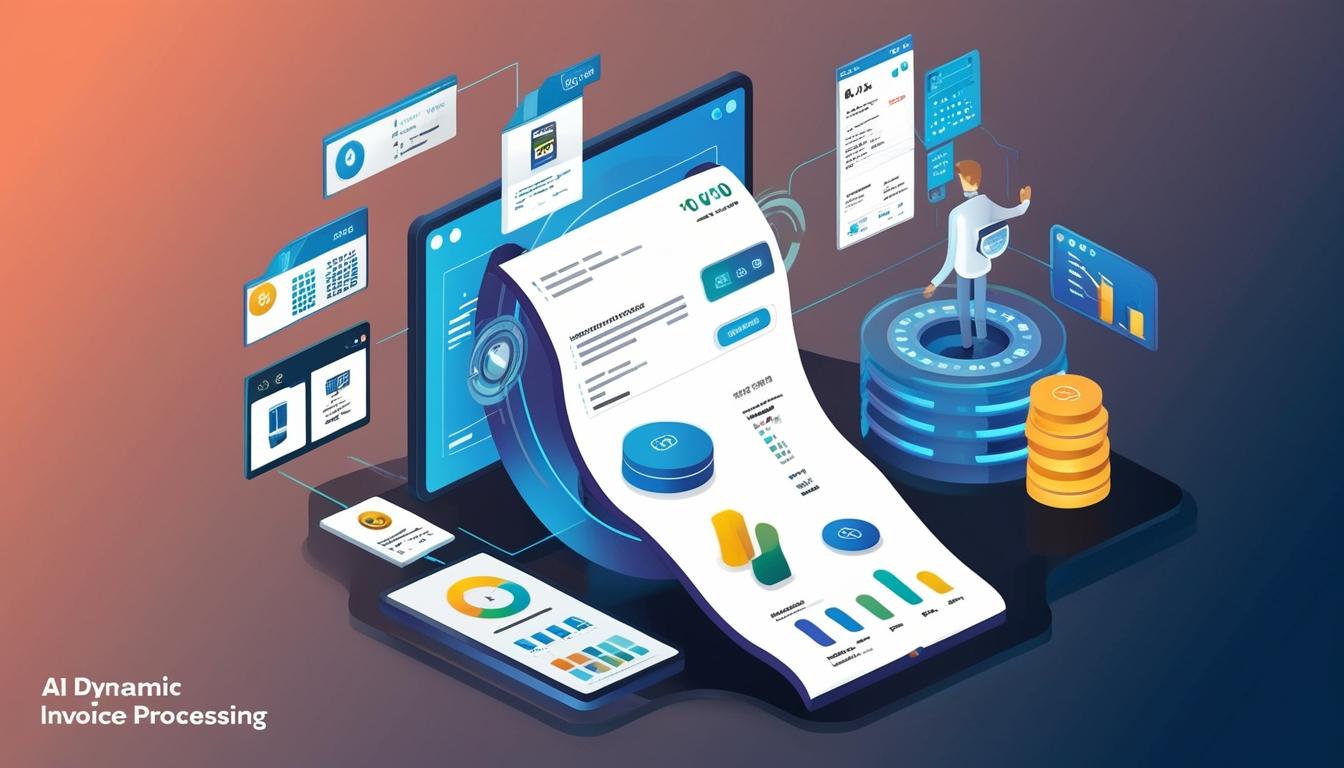
In recent developments within the field of accounts payable (AP) automation, a notable shift is occurring as organisations begin to adopt Artificial Intelligence (AI) solutions, moving beyond the traditional reliance on Optical Character Recognition (OCR) technology. This evolution is set to significantly redefine how invoices and various financial documents are processed. A recent webinar, hosted by MakersHub and featuring insights from Ted, delved into the transformative impact AI is having on AP, heralding a new era of efficiency and smart automation.
Understanding the Role and Limitations of OCR in AP Automation
OCR technology has been a staple in invoice processing, primarily due to its capability to scan and read text from physical documents or PDFs, extracting primary information such as invoice numbers, dates, and monetary amounts. Despite these contributions, OCR presents notable limitations. As a rule-based technology, its functionality is contingent upon the consistent structure of documents—deviations like varied invoice designs or substandard scans can lead to errors in data extraction.
The Rise of AI in AP Automation
AI introduces a paradigm shift by enhancing the capabilities found within OCR systems. Unlike OCR, AI-driven AP solutions do more than merely read data—they interpret and comprehend it. These systems are designed to not only recognise patterns but also continuously learn from prior data entries, increasing their accuracy over time. This adaptability allows them to manage diverse invoice formats and autonomously extract pertinent information without dependency on pre-set guidelines.
AI automation offers several significant benefits over OCR, including:
Enhanced Flexibility and Scalability: AI systems effortlessly accommodate shifts in data formats and business growth, effortlessly managing larger volumes of invoices with elevated efficiency.
Continuous Learning and Improvement: AI tools are programmed to evolve by learning from processed data, gradually enhancing their precision in identifying critical information and reducing the need for manual oversight.
Streamlined Workflow Automation: Beyond data capture, AI systems seamlessly integrate this information into existing workflows. They can autonomously route approvals, detect potential discrepancies, and provide structured approval recommendations, mirroring historical transaction hierarchies.
Real-Time Insights and Predictive Analytics: AI capabilities extend to offering real-time data insights and predictive analytics. Finance teams can leverage these insights for proactive cash flow management and strategic decision-making, minimising potential vendor payment issues.
Cost-Effectiveness and Operational Efficiency: By curtailing manual involvement and refining accuracy, AI reduces processing costs significantly. It addresses and corrects errors that OCR systems may miss, ultimately conserving both time and resources.
As companies aim to refine their AP processes, the integration of AI solutions emerges as a promising trajectory for ensuring smarter, scalable, and more efficient invoice management. For those interested in exploring how these revolutionary changes unfold in practice, the webinar featuring live demonstrations is still accessible for viewing.
This transition from OCR to AI in accounts payable automation underscores a broader trend of leveraging advanced technological capabilities to optimise business operations. As AI continues to evolve, its role in transforming organisational workflows is likely to expand, offering exciting possibilities for future developments in the field.
Source: Noah Wire Services