Webinar Highlights Challenges and Opportunities in AI-Driven Drug Discovery
A recent webinar has shed light on the profound impact of generative AI models, such as ChatGPT, on the drug discovery industry, while also identifying key challenges that could impede progress, particularly concerning data accessibility and quality. The event, geared towards professionals in the pharmaceutical and biotechnology sectors, focused on the utilisation of AI in the discovery of biologics.
The burgeoning interest in AI-driven drug discovery has highlighted the critical role that patent data plays in this process. However, experts acknowledge that while AI holds great promise, its effectiveness is currently hampered by the scarcity of high-quality, FAIR-compliant data. FAIR, an acronym for Findable, Accessible, Interoperable, and Reusable, represents a set of principles intended to enhance the precision and efficiency of data handling. Despite advances in AI, the limited availability of such data sources, both internally within organisations and externally from public domains, presents significant challenges to fully realising AI's potential in this field.
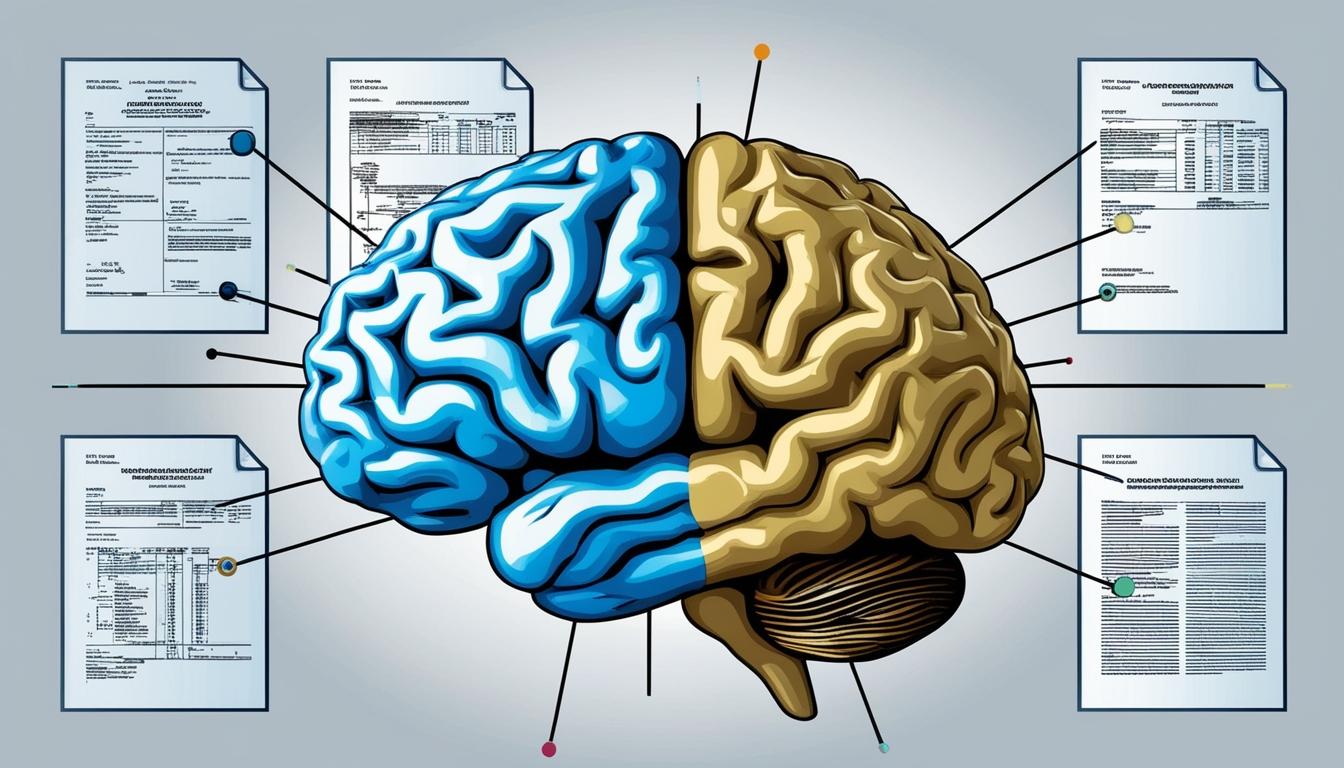
The webinar addressed how patent data, despite being notoriously unstructured and complex, could hold the key to overcoming current hurdles in AI-driven drug discovery. By systematically mining and extracting valuable information from patents, researchers may unlock new pathways for innovation, particularly in the context of biologics. These biologics, which encompass large, complex drugs such as antibodies and RNA interference (RNAi) therapies, require extensive data that current datasets often fail to provide.
Sam Winders, Account Director for Life Sciences at Patsnap and a key speaker at the webinar, emphasised the importance of integrating high-quality patent data into the drug discovery process. Patsnap, known for its innovation in connecting data sources with AI technologies, is at the forefront of these efforts. Winders, who has a long-standing tenure at Patsnap, has been instrumental in liaising with leading pharmaceutical customers and guiding product development to meet the challenges of this rapidly evolving industry.
Case studies presented during the webinar illustrated both the obstacles and potential breakthroughs in leveraging patent data for drug discovery in biologics. These studies underscored the potential of patent data to transform unstructured information into actionable insights that could drive innovation.
As the field of AI in drug discovery continues to evolve, collaborations between industries, researchers, and data scientists remain crucial to overcoming the data challenge. The integration of comprehensive patent data into AI models is seen as a pivotal step forward, promising to enhance the efficiency and accuracy of drug development processes.
This event highlighted the ongoing dialogue within the industry about the fusion of AI technology and traditional research methodologies. By focusing on the adaptation of new technologies to harness previously underutilised data sources, the webinar provided a roadmap for future advancements in the realm of biologics discovery, paving the way for significant breakthroughs in medical research and development.
Source: Noah Wire Services