Cheating Trends in the UK Unveiled by AI: Surprising Insights into Infidelity
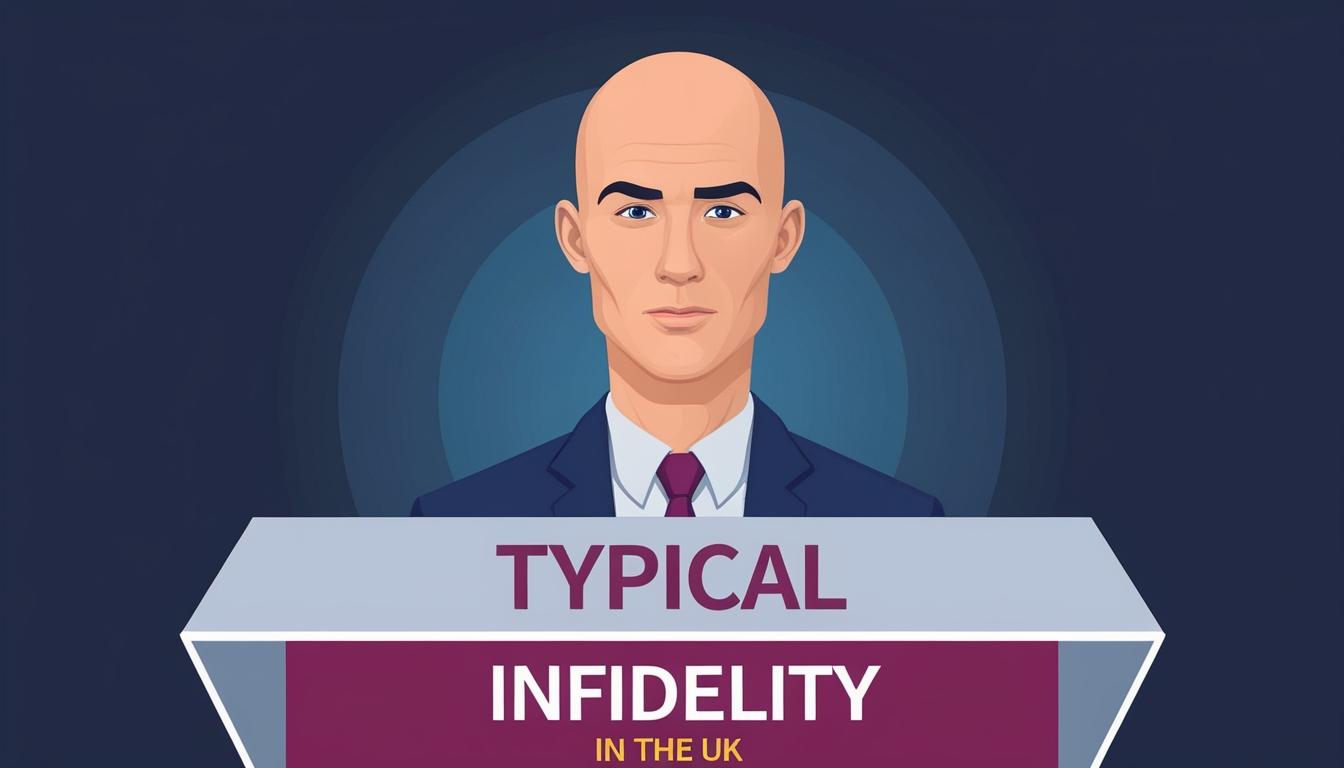
In an intriguing study utilising artificial intelligence, researchers have generated striking visual representations of what could be labelled as typical cheaters or 'love rats'. Through an assessment of 2,000 respondents across the UK, the study aimed to ascertain common physical features and characteristics associated with infidelity. The findings, conducted by MrQ, a company known for its insightful research, presented some noteworthy patterns among those identified as having strayed in their relationships.
Emerging from thousands of testimonies by individuals who experienced infidelity, the study identified certain features in those deemed least trustworthy. Typically, for men, the 'photofit' image of a cheater showcased a bald individual in his 40s with a larger nose, smaller lips, short facial hair, blue-grey eyes, and noticeable frown lines. On the other hand, the archetype for a female cheater included attributes such as dark hair, a small nose, and the age bracket moving towards the early fifties. Both genders were described as having a slim build and staring eyes.
Despite the incorporation of advanced AI techniques to create these hyper-realistic images, Rosie Maskell, a senior marketing executive at MrQ, was quick to point out that these representations are not definitive. She emphasised, "It's important to note these are based on statistical analysis and won't apply to all individuals. People's behaviour is defined by their decisions and actions, not what they look like."
The broader survey revealed significant behavioural insights tied to cheating. Men were reported to be more forthcoming about cheating than women, with about a third of male respondents admitting to such behaviour compared to a quarter of women. In the aftermath of infidelity, a substantial portion of women, nearly 40%, opted to end their relationships immediately upon discovering a partner's betrayal. Conversely, about a fifth of women reported staying in the relationship with a cheating partner for at least two more years, whereas only 13% of men did the same.
Geographically, Manchester emerged as the UK's so-called cheating capital, with 43% of respondents admitting to having cheated, followed closely by Sheffield (39%) and Cardiff (34%). In stark contrast, Edinburgh appeared to house the most faithful populace, with 55% of its residents claiming they never engaged in or experienced infidelity.
This investigation into cheating patterns in the UK offers a fascinating look into societal trends and raises intriguing conversations about trust, fidelity, and relationship dynamics. While the AI-generated 'love rat' images serve as an interesting point of discussion, underlying the study is a reflection on human behaviour and societal norms surrounding romantic relationships.
Source: Noah Wire Services