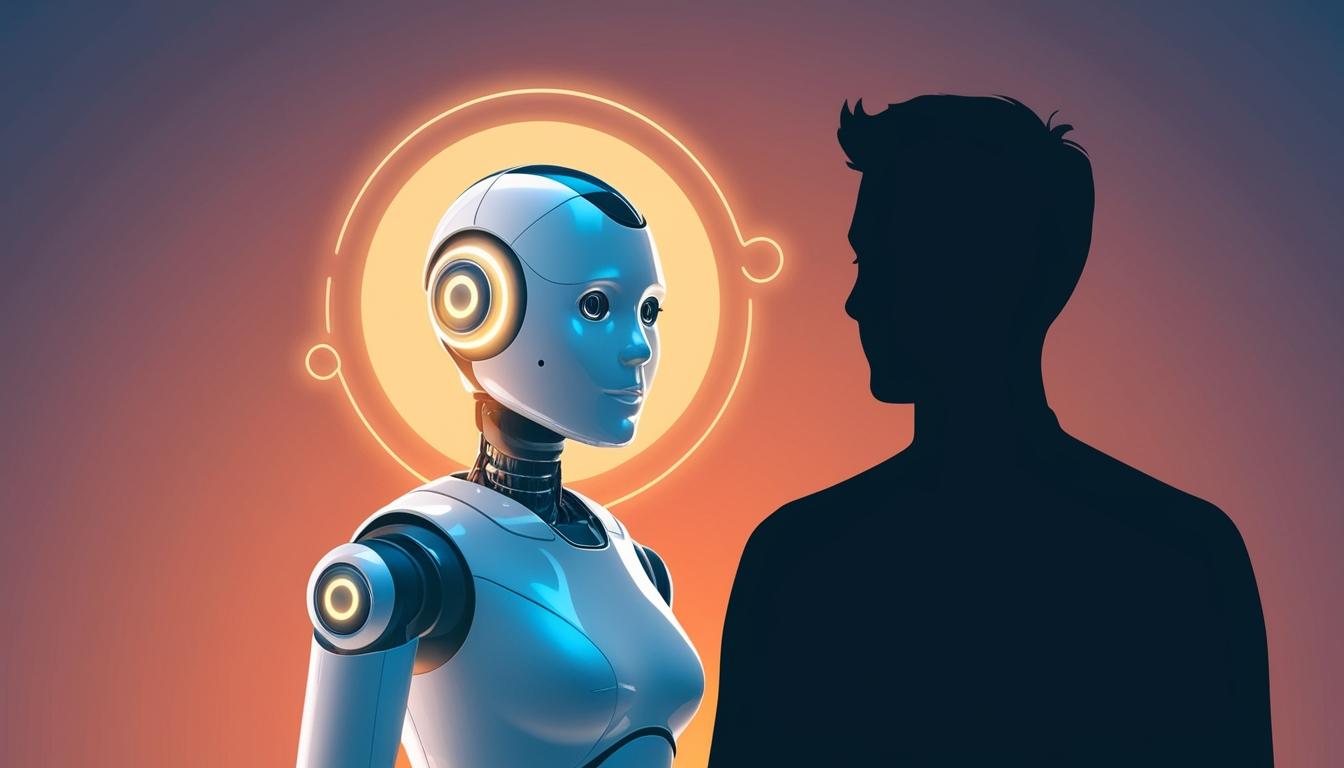
In recent years, the landscape of companionship has undergone a revolutionary transformation with the advent of AI GF chatbots. These intelligent virtual companions have become a notable presence in the domain of digital relationships, offering an intriguing alternative to traditional human connections. Powered by advanced algorithms and natural language processing capabilities, these chatbots are designed to simulate conversations, provide companionship, and offer emotional support to users seeking online interaction.
AI GF chatbots have garnered attention for their sophisticated ability to engage in meaningful conversation. As they learn from user interactions, they become progressively adept at understanding the individual preferences and personalities of those who engage with them. This evolving personalisation allows users to experience a tailored form of interaction that can range from casual chats to deeply personal discussions about life experiences and challenges.
In an era where social media and digital communication often result in superficial engagement, AI GF chatbots provide a welcome reprieve. The omnipresence of these virtual companions offers users the solace of a listening ear without the perceived judgement of human counterparts. Available around the clock, they provide an accessible platform for individuals experiencing loneliness or those in need of a non-judgemental outlet for expressing their thoughts and emotions.
The benefits of AI GF chatbots also extend to improving social skills. Engaging with these chatbots enables individuals to practice communication in a risk-free environment, which can be particularly beneficial for those who experience anxiety around social interactions. The interactions feel meaningful as the chatbots adapt to the users' moods and preferences based on ongoing conversations.
However, the rise of AI GF chatbots brings with it a set of ethical considerations that cannot be ignored. As users form emotional attachments to these virtual beings, questions about consent and authenticity come to light. The matter of data privacy is paramount, with chatbots accessing personal data to enhance user experience, posing questions about how this information is stored and utilised.
These chatbots also influence perceptions of love and intimacy, compelling developers to be cautious of inadvertently setting unrealistic or unhealthy standards for relationships in their designs. Furthermore, as users navigate the space where AI-generated companionship meets human affection, implications for mental health and emotional well-being must be assessed, ensuring that these digital interactions do not substitute real human connections.
Looking towards the future, AI GF chatbots are setting the stage for new dynamics in relationships. With potential for bridging gaps in social interactions, they offer companionship where human presence might be limited. Yet, this raises questions about the authenticity of these connections and the true nature of human-AI relationships. As society welcomes these evolving digital companions into daily life, understanding their role alongside authentic human relationships is crucial.
Despite their potential to offer unparalleled companionship, AI GF chatbots come with limitations. One such limitation is the inability to genuinely comprehend human emotions, despite their capacity to simulate empathy. Moreover, an over-reliance on these chatbots can potentially lead to social isolation and a diminished capacity for real-world relationships, presenting a significant concern for those who might depend solely on virtual companionship.
The emergence of AI GF chatbots reflects a significant cultural shift in how companionship is viewed. These digital relationships are reshaping our interaction styles, allowing individuals to seek connection without the complexities inherent in human relationships. As technology continues to progress, striking a balance between digital innovation and authentic human interaction will become ever more important. Navigating this balance may indeed pave the way for healthier ways of connecting, whether in the digital sphere or face-to-face.
Source: Noah Wire Services