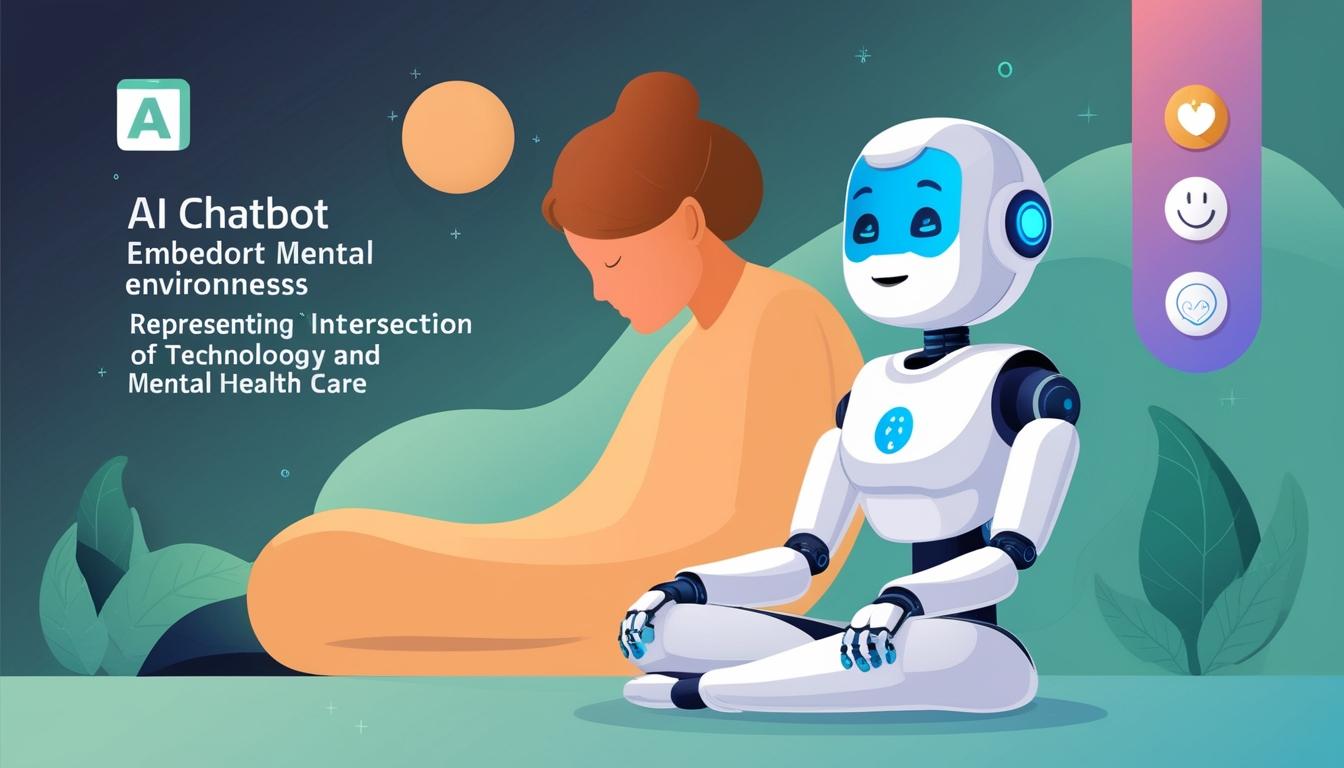
The Role of Generative AI in Mental Health Support: A Study on User Experiences
Generative AI is making its mark in the realm of mental health support, with recent research highlighting its potential to positively impact users' mental health and wellbeing. Through a study involving nineteen individuals who utilise generative AI for such purposes, insights have been gained into the capabilities and perceptions of these AI tools compared to traditional therapies.
The study, conducted through semi-structured interviews and reflexive thematic analysis, brings to light how users perceive generative AI as an emotional refuge. Participants indicated that these AI tools offer insightful guidance, joy, and the capacity to connect users, comparing at times to human therapy in both favourable and unfavourable ways. Reportedly, many individuals experienced remarkable improvements in mood, anxiety reduction, healing from trauma, and enriched relationships, with some even describing these outcomes as life-altering. Most users engaged frequently with the AI and expressed high satisfaction.
An interesting finding from this research is the comparison between generative AI and rule-based chatbots. While some benefits of AI chatbots mirror those of traditional rule-based systems, such as always being available and providing a non-judgmental ear, the study notes unique advantages of generative AI. These include the provision of joy, deep understanding, and extensive, high-quality advice, as well as the flexibility to approach mental health creatively through methods like role-play and narrative.
The study brings to the forefront a call for a deeper understanding of the safety and effectiveness of these tools. Unlike clinical applications of generative AI, which are usually restricted to evidence-based therapies under professional supervision, consumer AI chatbots are broadly available and often operate without clinician oversight. The participants of this study did not report experiences with the potentially harmful behaviours seen in early AI models, raising questions about whether technological advancements have mitigated these issues or if they simply require larger studies to detect.
Another safety concern highlighted by the research is the AI's response to users in crisis. Current literature recommends that AI models default to scripted responses directing users to human support during crises. However, the study found instances where generative AI successfully provided crisis support without triggering these guardrails, suggesting the potential need for a nuanced approach that takes into account the AI's capabilities to manage such scenarios.
Moreover, the research underlines the necessity of understanding the impact of generative AI on mental health outcomes, like symptom severity and relapse rates. Given the diversity and evolving nature of AI use, large-scale longitudinal studies might present a feasible route due to the relatively low costs compared to human psychotherapy.
For developers, improving generative AI tools could involve enhancing listening skills, offering shorter responses, and incorporating human-like memory to drive the therapeutic process. Considerations for broader accessibility were noted since the current user sample was predominantly tech-savvy and well-educated.
Clinicians are also noted as an essential part of integrating AI into mental health practices. Despite some therapists expressing scepticism towards AI, the study found that AI chatbots could augment therapy. Clinicians' awareness of these tools' potential could foster better patient relationships and ensure more informed discussions around their use.
The study acknowledges certain limitations, such as the sample bias towards favourable experiences and the predominance of participants from high-income countries. Nonetheless, it lays the groundwork for considering generative AI as a potentially scalable component in addressing mental health treatment gaps. Further research and development are necessary to refine these tools and tackle safety, efficacy, and accessibility challenges.
Source: Noah Wire Services