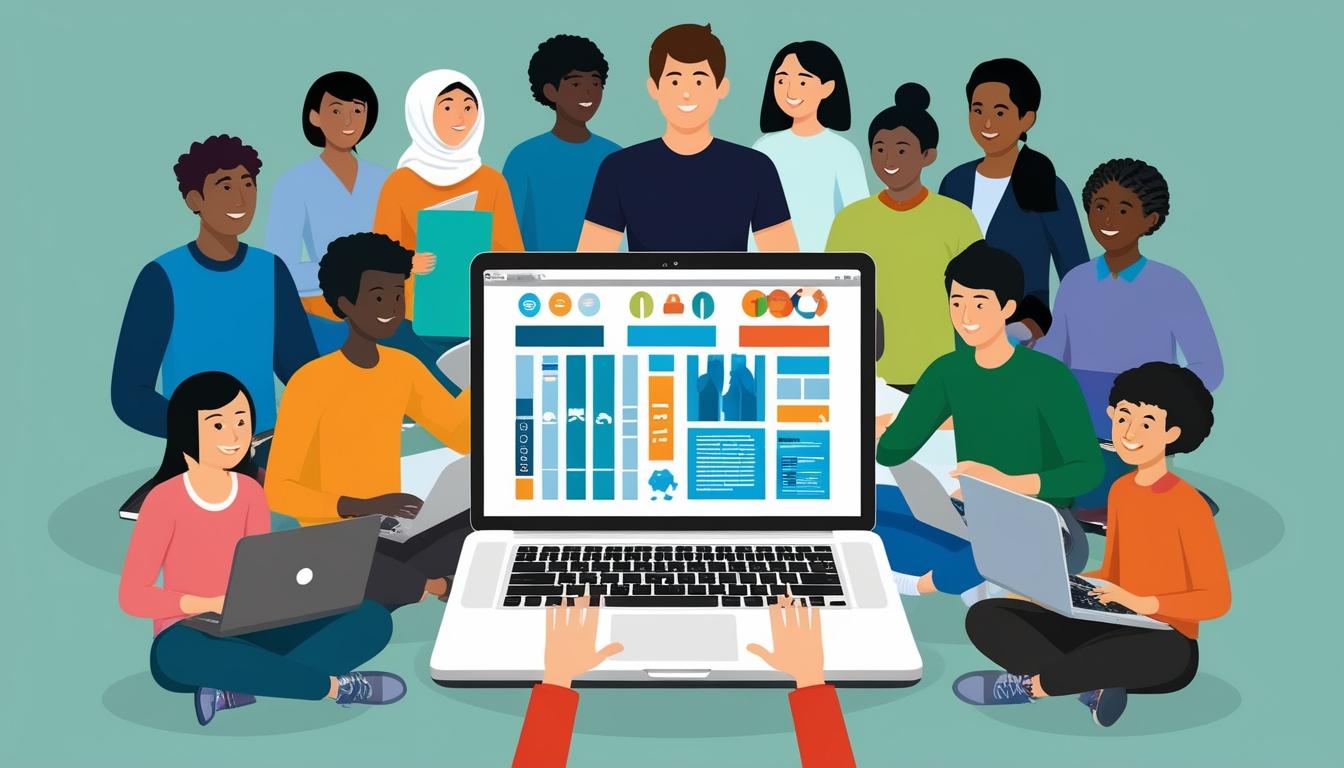
The Transformative Potential of Large Language Models in Education
As technological advancements continue to shape numerous aspects of modern life, the role of large language models (LLMs) in the realm of education is increasingly significant. These sophisticated AI systems, characterised by their ability to process and generate human-like text, present a myriad of opportunities to redefine how learning is accessed and experienced globally.
Democratising Knowledge Accessibility
One of the most impactful contributions of LLMs is their potential to democratise access to knowledge. Traditionally, education has been limited by factors such as geographical location and socioeconomic status. However, LLMs overcome these barriers by providing learners worldwide with instant access to a vast array of information through the internet. This capability allows individuals to explore topics of interest, regardless of their educational background or physical location, which promotes autonomous learning.
Personalised and Engaging Learning Experiences
LLMs are distinctively capable of tailoring educational content to suit the individual needs of learners. Whether catering to beginners or advanced students, LLMs can adjust the complexity of explanations and deliver information through various formats, including text, visual aids, or auditory content. This adaptability supports different learning styles—be it visual, auditory, or kinesthetic—thus enhancing both understanding and engagement.
Fostering Curiosity and Innovative Thinking
By providing immediate answers and insights, LLMs stimulate curiosity among learners. This mirrors a Socratic method of inquiry, where each answer leads to more questions, thus fuelling a continuous cycle of learning and exploration. Moreover, LLMs can suggest related topics, encouraging learners to draw connections across disciplines and inspiring innovative and creative thinking.
Boosting Confidence and Self-Efficacy
The non-judgmental nature of LLMs can significantly boost learners' confidence. Interactions with these AI systems eliminate fear of failure or embarrassment, thereby encouraging individuals to explore topics more freely. The immediate feedback provided by LLMs helps build self-efficacy, motivating learners to engage with challenging subjects and persist despite difficulties.
Enhancing Social and Collaborative Learning
LLMs also facilitate collaborative learning experiences. In group settings, they can serve as impartial participants by proposing ideas or mediating disagreements with objective insights. This functionality makes group projects more cohesive and dynamic, enhancing the overall learning experience for all participants involved.
Support for Lifelong Learning and Professional Growth
In professional environments, LLMs play a crucial role in ongoing education and development. By providing employees with resources to stay updated on industry trends, acquire new skills, and solve complex problems, LLMs contribute to increased productivity and job satisfaction. Employees benefit from the convenience of accessible learning resources, which fosters a sense of competence and value in their roles.
Redefining Focus and Reducing Cognitive Load
LLMs also assist learners by handling routine tasks and information retrieval, allowing individuals to concentrate on higher-order cognitive skills such as analysis and evaluation. This reduction in cognitive load makes the learning process less daunting, enabling learners to delve deeply into subjects and gain comprehensive understanding.
Emotionally Engaging Learning
Beyond cognitive support, LLMs adapt to the emotional states of learners, offering encouragement or modifying interaction tones to keep learners engaged. This emotional attunement enhances the educational journey, making it feel more personal and supportive.
A Transformative Force for Lifelong Learning
The emergence of LLMs represents a transformative shift in how education is conceptualised and delivered. These technologies not only enhance learning efficiency but also reignite a passion for discovery, aligning with Richard Feynman's philosophy that learning should be a joyful experience.
In summary, while the capabilities of LLMs continue to evolve, their role in education is poised to expand significantly. As partners in the lifelong journey of learning and discovery, they provide new avenues for growth and fulfilment, making education more accessible, personalised, and engaging.
Source: Noah Wire Services