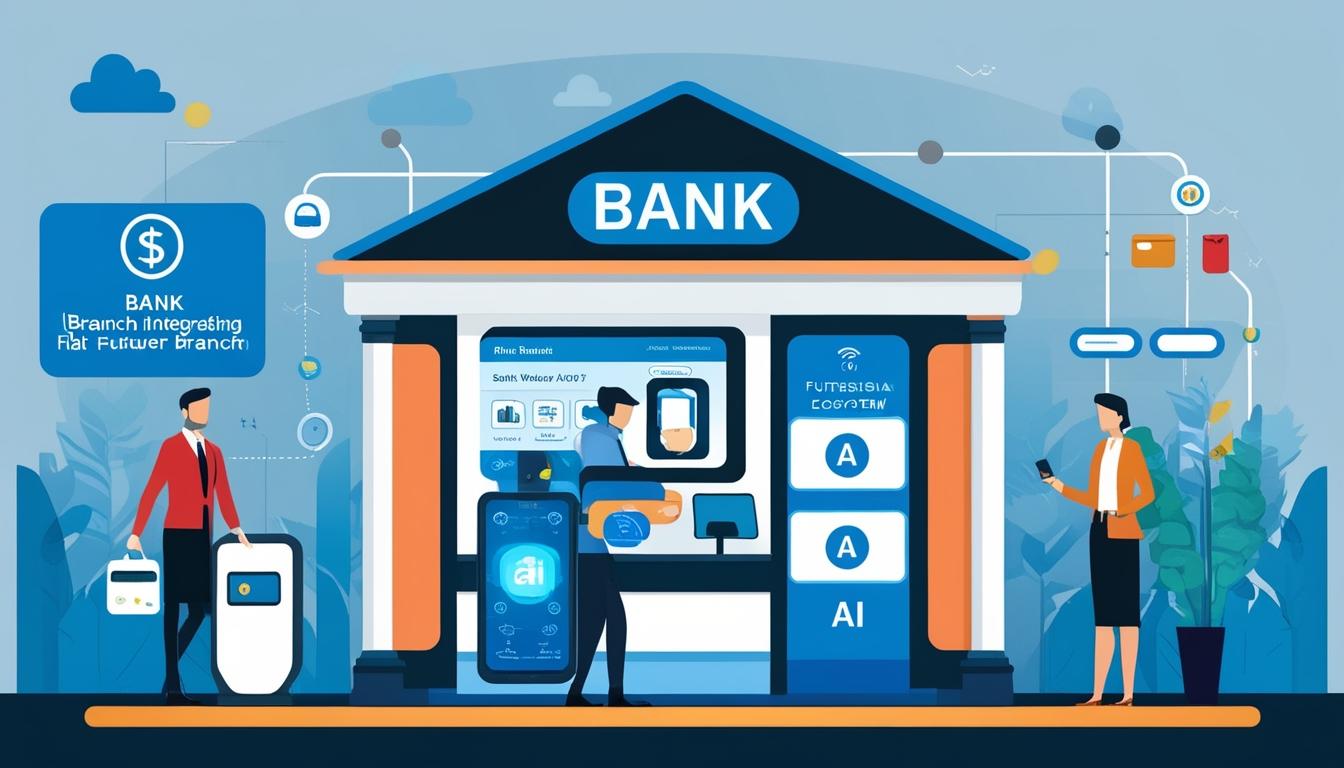
In a world where digital transformation continues to revolutionise industries, traditional banking institutions are being challenged by big tech companies venturing into financial services. The integration of bank accounts and related services into digital ecosystems by technology giants like Amazon, Apple, and Google is reshaping how consumers interact with their finances.
With the growing popularity of digital wallets, more than half of all online purchases in 2023 were completed using such payment methods, illustrating a significant shift in consumer behaviour. In the United States, Amazon's introduction of Amazon One, a palm-recognition payment system, is set to be available at over three million locations, indicating a deeper penetration of big tech into daily transactions.
This profound shift comes as big tech companies explore financial services to enhance their primary business models. Unlike traditional banks, these tech behemoths derive income from advertisements and kickback fees, allowing them to treat banking products as additional to their core offerings. Apple, for instance, has already extended its suite to include a credit card and a savings account through a partnership with Goldman Sachs, blending banking services seamlessly into its ecosystem.
In response to this encroachment, traditional banks are being urged to rethink their strategies. The success of big tech lies not only in offering financial services but also in redefining the customer experience with seamless, integrated ecosystems. For banks to remain competitive, they must evolve beyond their conventional roles and embrace innovations that cater to the increasingly digital lifestyles of their customers.
One potential strategy lies in open banking, which seeks to standardise and share financial data securely across platforms and services. This can include linking accounts to external platforms like cryptocurrency wallets, as well as providing data-driven financial advice. By fostering collaboration with fintech and related sectors, banks could create new products that offer tangible benefits to consumers, preventing big tech from monopolising the digital payment space.
Enhanced customer experiences are crucial in this digital age, where consumers, particularly younger ones, expect more transparent and personalised financial services. While technology companies have set a high bar with their user-centric models, banks have the opportunity to offer value-added services, including rewards programmes and advanced financial insights, while ensuring rigorous privacy protections—an area where they might have an edge over their tech counterparts.
As artificial intelligence (AI) begins to play a more significant role in personalisation and interface design, banks face the daunting task of integrating such advanced technologies in a regulatory-heavy environment. Despite this complexity, the demand for intuitive, personalised banking experiences continues to rise, compelling banks to innovate rapidly.
The digital financial landscape is indeed at a crossroads where traditional banking practices meet cutting-edge technology. For banks aiming to remain relevant, prioritising customer trust and harnessing digital innovation will be paramount in establishing themselves as indispensable partners in their customers' financial lives.
Source: Noah Wire Services