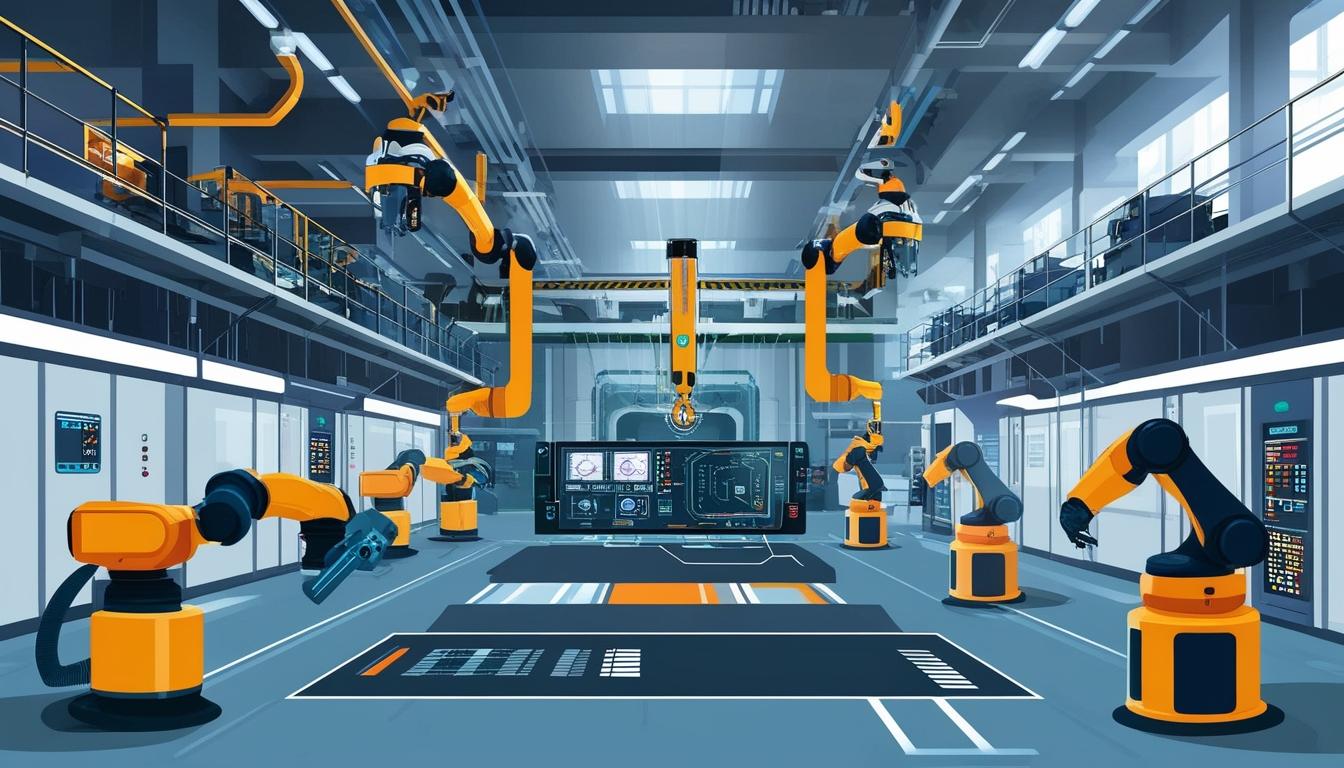
Transformative Technologies Reshape Aerospace Manufacturing
The aerospace manufacturing industry is on the brink of a major transformation, largely spurred by the integration of generative artificial intelligence (AI) and other state-of-the-art technologies. This shift marks a significant departure from traditional practices that relied heavily on low-cost labour as a key value driver, with technology now taking centre stage in enhancing productivity and efficiency.
Generative AI's Impact on Decision-Making and Processes
Generative AI is now set to play a pivotal role in the evolution of aerospace manufacturing. During a recent roundtable discussion in Seattle, hosted by Microsoft, experts outlined the profound impact of AI in optimising processes and fostering innovation. This technology enables real-time data access on the factory floor, allowing workers to make more informed decisions and improving data insights for both frontline employees and management.
Challenges Faced by SMEs and AI Implementation
While the advantages of AI are numerous, small and medium-sized enterprises (SMEs) within the aerospace sector face specific hurdles. Notably, these include a lack of skilled personnel and financial constraints. However, solutions are emerging through cloud-based AI services and no-code platforms that provide scalable and cost-effective access to these advanced tools, minimising upfront investments. These platforms deliver real-time data crucial for core operations, thus facilitating quicker returns on investment and encouraging broader AI adoption among SMEs.
The Future: Automation, Robotics, and AI
The roundtable highlighted the increasingly significant roles of automation, robotics, and AI in defining the future of aerospace manufacturing. These technologies streamline decision-making processes, enhance machine maintenance, optimise workflows, and significantly reduce production lead times. Additionally, they resonate well with younger workers who naturally integrate these digital tools into their processes, helping to cultivate a tech-savvy workplace culture.
Strategic Implementation and Overcoming Organisational Challenges
The implementation of AI in aerospace requires a methodical approach centred around specific use cases, like improving quality inspections. For instance, Loopr AI showcased how AI-driven solutions can boost inspection accuracy and efficiency, thus liberating human resources for more critical tasks. Furthermore, AI is contributing to reduced training durations while simultaneously enhancing training quality, resulting in a more proficient workforce.
However, the adoption of AI and related technologies is not without its challenges. Organisations may encounter resistance to change, necessitating transparent communication regarding the return on investment and alignment with broader business objectives. Within companies, internal champions who advocate for and facilitate technological adoption are crucial in creating an innovation-centric culture. Early adopters within the aerospace sector are poised to become industry leaders as they gain insights and expertise more rapidly.
CAMPS: A Key Resource in Technological Advancement
As aerospace manufacturers journey through this landscape of technological transformation, CAMPS (Center for Advanced Manufacturing Puget Sound) emerges as an invaluable partner. CAMPS provides access to cutting-edge developments, connections with AI specialists, and a community dedicated to industry advancement. Through various events, networking opportunities, and expert discussions, CAMPS supports aerospace manufacturers in maintaining competitiveness in a technology-focused global market. By embracing AI and leveraging CAMPS's resources, aerospace companies are better positioned to achieve outstanding levels of efficiency, innovation, and success.
Source: Noah Wire Services