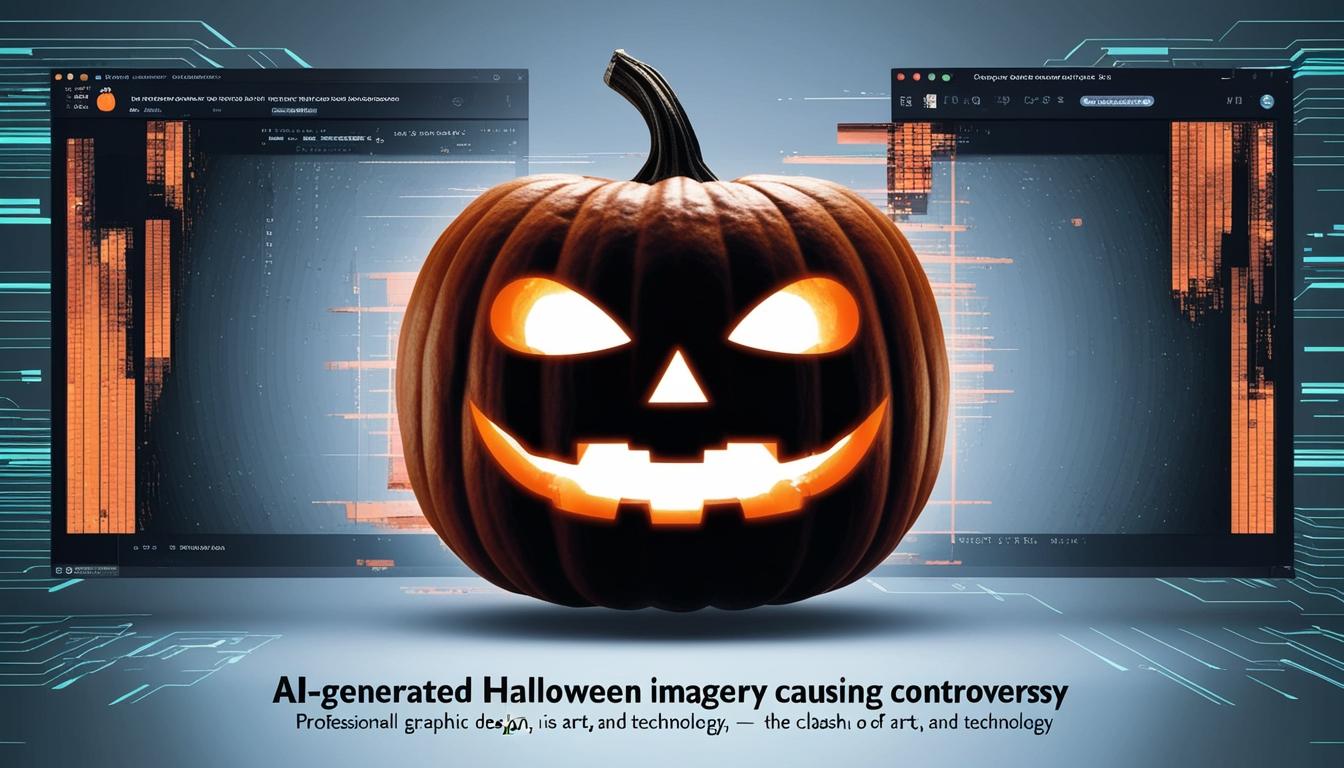
Transport for Ireland has recently faced criticism for incorporating AI-generated images into its Halloween advertising campaign. The organisation has publicly apologised following backlash over the use of generative AI art, which remains a contentious topic among various audiences and sectors. The incident underscores the ongoing debate regarding the utilisation of artificial intelligence in artistic and creative domains.
As AI technology continues to advance, video generation has emerged as the latest frontier for innovators and creatives. Notably, Adobe has released its Premiere Pro Generative Extend in Beta, signalling forthcoming developments in AI-assisted video editing. Similarly, an anticipated Adobe AI video model is expected to debut soon, expanding the possibilities for dynamic video content creation.
In the entertainment industry, studios are actively exploring AI's potential. Lionsgate, known for producing the John Wick film series, has partnered with Runway to develop a bespoke AI video model tailored for its production needs. Meanwhile, Blumhouse, a prominent horror film producer, is collaborating with Meta Movie Gen to potentially revolutionise its filmmaking process.
Amidst these official endeavours, individual creators continue to experiment with AI technology in novel ways. A notable example is the use of AI to generate videos featuring characters from the iconic video game, GTA San Andreas. Users have utilised a browser-based application named Hailuo AI to breathe life into these virtual figures, creating footage that blurs the lines between digital and reality. Although some characters, such as CJ from the game, have drawn mixed reactions regarding their likeness to real-life features, the experiment illustrates the rapid advancements in AI video generation.
Despite the progress, there remain unresolved questions and concerns. One significant issue is the transparency concerning the AI models employed in these creations. Hailuo AI, for instance, lacks detailed information about the specific models and training data used, raising questions about the implications and safety of commercial use of AI-generated videos.
Overall, while the novelty of generative AI imagery might have waned, the technology is on a trajectory toward producing more sophisticated and potentially practical applications. However, it remains to be seen when or if generative AI will fully meet commercial and artistic expectations beyond creating brief yet impressive footage clips. As AI technologies continue to evolve, both sceptics and enthusiasts alike will watch closely to see how they reshape creative and entertainment landscapes.
Source: Noah Wire Services