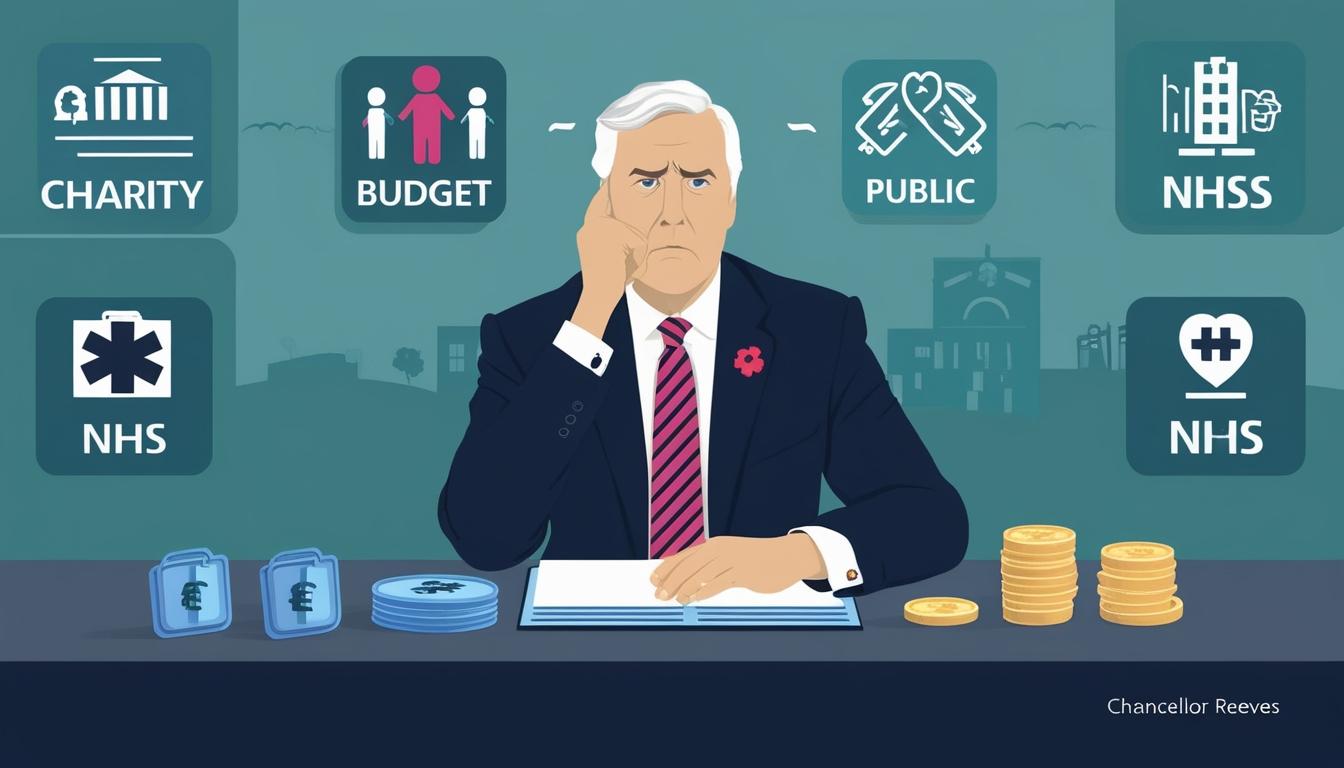
In a bid to address a significant £22 billion financial shortfall, UK Chancellor Rachel Reeves is anticipated to announce a rise in employers' National Insurance (NI) contributions in the upcoming Budget, amidst a contentious political and economic environment. The proposed increase, potentially around 1 to 2 percent, is expected to generate approximately £20 billion, contributing substantially to planned cuts and tax rises designed to stabilize national finances.
The move has sparked an outcry from charity organisations and businesses alike. Charities, particularly smaller ones, fear that the increased financial burden could force them to reduce their services. These concerns are detailed in a letter addressed to the Chancellor by leading charity groups including the National Council for Voluntary Organisations (NCVO), which argues that the additional NI obligations could severely impact the ability of charities to operate effectively. Sarah Elliott, CEO of the NCVO, stated that such an increase would exacerbate the financial strain on charities already grappling with rising service costs and heightened demand.
Jo Walby, CEO of Mustard Tree, a Manchester charity tackling homelessness, emphasized the profound impact on operations, explaining that anticipated savings meant to be invested in expanding support services could be nullified by the NI rise. Similarly, Jo Henney, CEO of Liverpool-based social care charity Nugent, voiced concerns about potential repercussions for staff pay and charity missions, underscoring the vital role their operations play in community support and social care.
The private sector shares similar apprehensions, with representatives like Craig Beaumont from the Federation of Small Businesses warning that increased employer taxes could lead to workforce reductions and lower wages, affecting local job markets adversely.
While these discussions unfold, the government plans to simultaneously announce substantial funding boosts for the National Health Service (NHS) as part of the Budget's focus. The planned injection of funds, reportedly at least a £7 billion increase in NHS annual funding, aims to reduce waiting lists and enhance healthcare infrastructure. This includes substantial investments in surgical hubs and radiotherapy machines, targeting improvements in patient care efficiency and capacity.
Health Secretary Wes Streeting and Chancellor Reeves highlighted the challenging choices ahead, acknowledging the NHS's current state as "broken but not beaten." They emphasised that immediate action is required to set a course for recovery, even as Labour leader Sir Keir Starmer indicated that the anticipated tax hikes would largely fulfil the need for additional revenue, although he could not entirely rule out further increases.
The proposed changes have sparked discussions across the political spectrum, with some voices arguing for the necessity of these measures to prevent austerity in public services, despite acknowledging ongoing challenges. The Labour Party aims to use the Budget as a foundation for long-term financial stability and public service enhancement amidst multiple simultaneous crises.
As the nation awaits the formal announcement scheduled for Wednesday, the debate over fiscal responsibility versus the operational needs of crucial societal sectors like charities and healthcare continues, with implications that will likely reverberate through the UK’s socio-economic landscape.
Source: Noah Wire Services