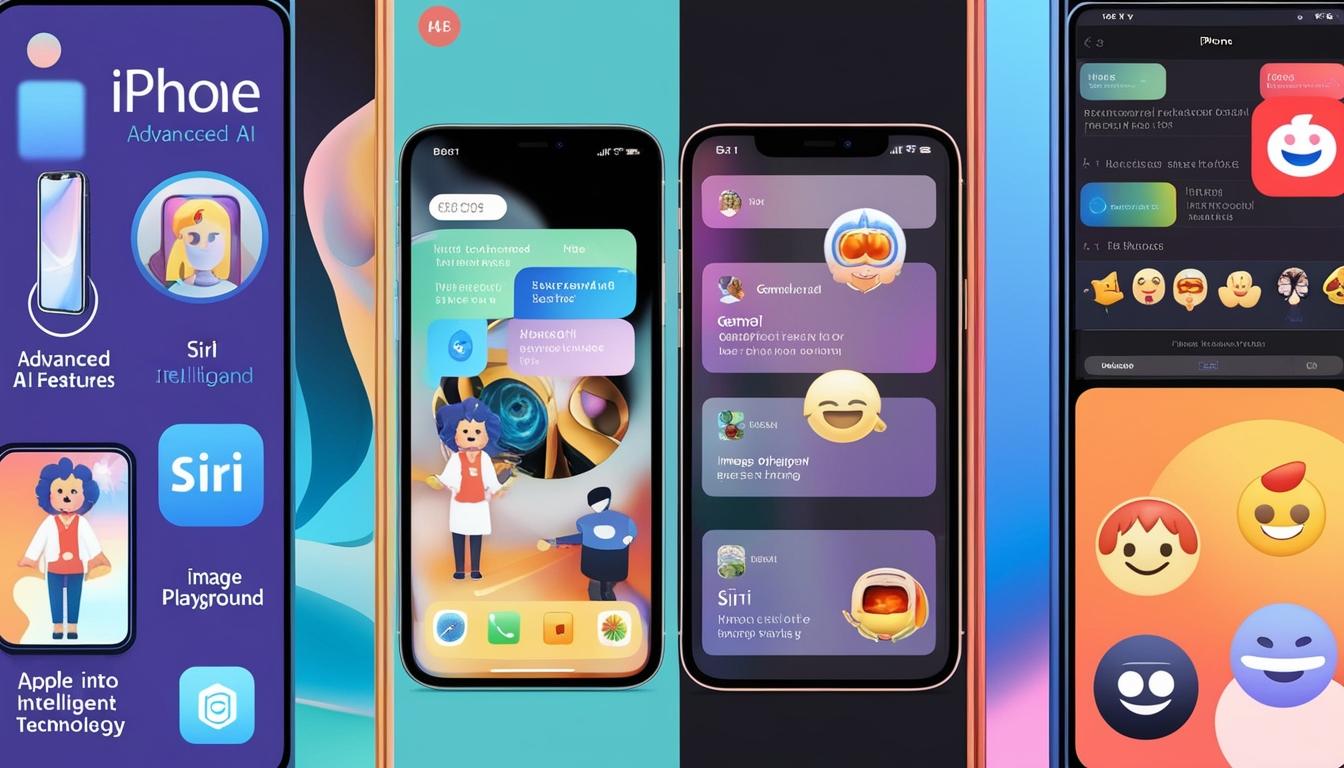
Apple has officially rolled out iOS 18.1 to devices in the UK, marking a significant update to its operating system with the introduction of new AI features branded as Apple Intelligence. The update, which became available on 28 October, is compatible with any iPhone housing an A12 Bionic chip or later. However, only users with more recent models can enjoy the full suite of AI features.
The flagship AI features of Apple Intelligence include enhancements to Siri, advanced writing tools, and the capability for photo editing, all designed to refine user interaction and experience. One of the standout updates is the complete redesign of Siri, which although currently not more intelligent, will eventually deepen its understanding and personalization of responses through upcoming updates. Future improvements will enable Siri to integrate with OpenAI's ChatGPT for queries it cannot handle on-device, promising a more conversational and human-like interaction.
Additionally, users can expect the introduction of tools such as Image Playground, which creates visuals from text prompts, and Genmoji for generating custom emojis. However, these features will not be available until subsequent updates later in the year.
While the potential of these features is notable, their availability is limited by hardware requirements. Specifically, the iPhone 15 Pro, iPhone 15 Pro Max, and the iPhone 16 series possess the necessary technology for full Apple Intelligence functionality, courtesy of their A17 Pro chip or newer A18 chip. This situates the current iPhone 16 series, and select iPads and Macs with the M1 chip and beyond, as the primary beneficiaries of the update’s full capabilities.
For UK users eager to experiment with the AI offerings prior to their official UK launch in December, adjusting the device and Siri language settings to English (United States) enables early access. Furthermore, even iPhones that cannot access the AI features will still receive other beneficial updates such as a new phone call recorder that transcribes calls into the Notes app, advanced natural language search in the App Store, and enhanced hearing health features specific to the AirPods Pro 2.
From the outset, Apple articulated that the AI tasks are largely handled by the devices’ hardware, necessitating robust processing power which explained the restriction to only newer device models. While some might consider this a ploy for planned obsolescence, the company's stance is centered around security and efficiency, leveraging on-device processing to remain fast and secure.
For other Apple device users, specifically those with compatible Macs and iPads, the criteria remain more lenient, requiring only an M1 chip for experiencing the new AI capabilities. This extends the reach of the update, allowing numerous older devices to explore at least some components of Apple Intelligence.
This development marks a continued commitment from Apple to expand and refine their AI capabilities, a journey they have progressively undertaken. More comprehensive features are expected to be rolled out gradually into next year, with each scheduled update paving the way for a robust AI infrastructure integrated into Apple's ecosystem.
Source: Noah Wire Services