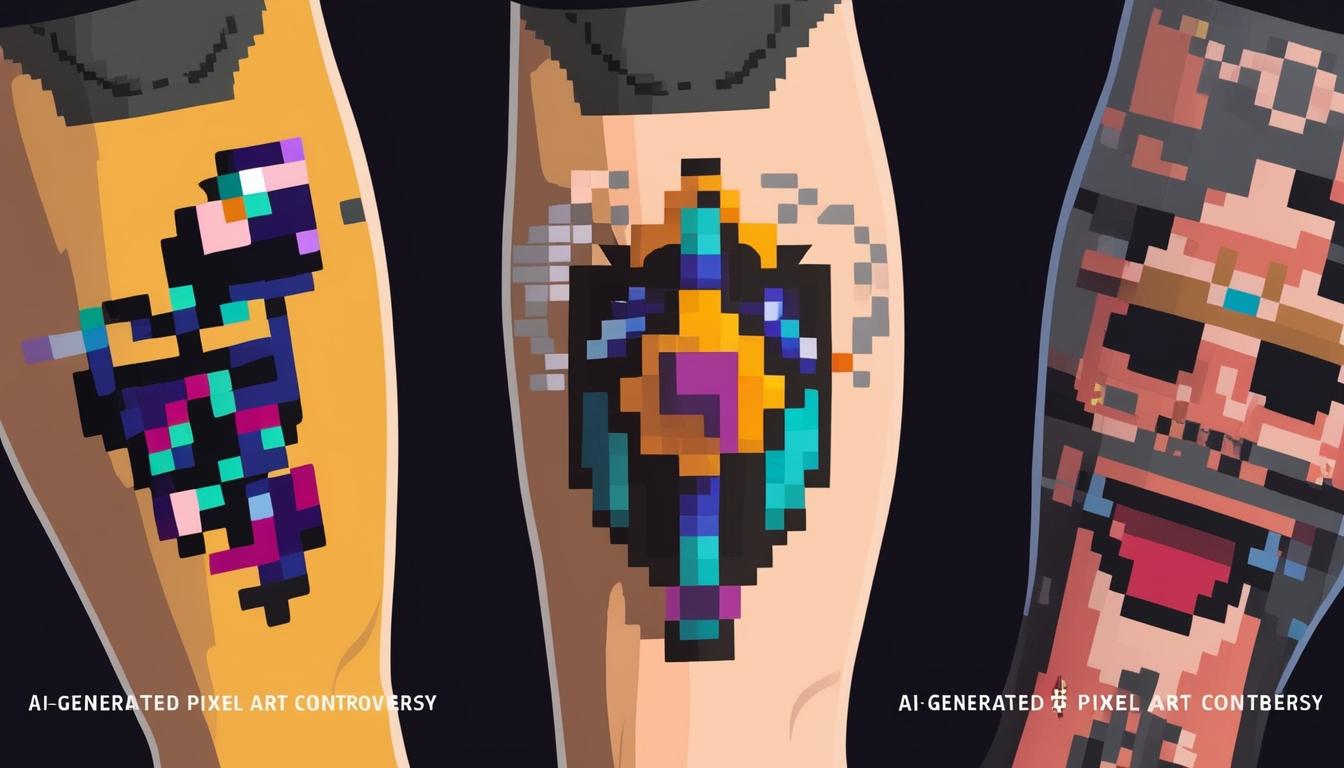
Blizzard Entertainment, the renowned video game company, is currently investigating allegations that pixel art designs intended for new Hearthstone skins were created using generative AI technology. These skins, which are part of the upcoming expansion titled 'The Great Dark Beyond', have not yet been formally announced or released. The speculation arose after the skins were datamined earlier this month as part of Hearthstone's patch 31.0.
Initial responses to the leaked artwork were broadly positive, with many commending the visual appeal of the designs. However, on 26 October, a user by the handle 1000_toasters raised suspicions on the social media platform X, suggesting that the designs bore characteristics typical of AI-generated art. Although this thread has since been deleted, the arguments presented by 1000_toasters were captured and discussed by YouTube content creator Zeddy, ensuring that the allegations gained wider attention.
The concerns highlighted by 1000_toasters centred not only on the peculiar details within the artwork itself, such as inaccuracies in Malfurion's shoulder tattoo, but also on the artist in question, Trey Fore. Fore's Instagram portfolio reportedly contains artworks with anomalies typical of AI creations, such as incorrect numbers of fingers and improbable object alignments.
These observations were further supported by Hearthpwn writer Imik, who noted additional inconsistencies in the artwork, including misaligned features on the character Doomhammer. Such discrepancies fuelled the speculation that generative AI might have played a role in the creation of these designs.
In response to these claims, Blizzard's community manager, known as RidiculousHat, confirmed on platforms like Reddit and X that the Hearthstone team is aware of the situation and has committed to investigating the matter.
This incident has highlighted broader concerns within the gaming industry and beyond regarding the authenticity of AI-generated art. The question of authenticity often eclipses considerations of quality or artistic intent, sparking debates over the implications of using AI in creative processes. While AI can produce visually striking images by synthesizing vast datasets, critics argue that this removes the human element from artistic creation, which traditionally embodies personal skills, vision, and intent.
The debate around AI-generated art is further complicated by its potential impact on employment within the creative sector. As AI technologies become increasingly adept at producing artwork based on detailed prompts, there is a risk that skilled human artists might find themselves displaced by more cost-effective AI solutions.
Blizzard's situation reflects a broader challenge faced by many companies: the need to ensure that their artists are not merely relying on AI tools to produce work. This challenge underscores a prevalent issue of trust and authenticity in digital art, fuelling what many describe as 'AI paranoia'. As the investigation unfolds, stakeholders across the industry will be watching closely to understand how these concerns and allegations will be addressed by Blizzard.
In the context of similar recent controversies, such as those involving Wizards of the Coast and their 'Magic: The Gathering' artwork, the current allegations facing Blizzard encapsulate a growing tension between innovation in technology and the preservation of traditional artistic values and employment. The outcome of Blizzard's investigation may set a significant precedent for how such issues are managed in the future.
Source: Noah Wire Services