California’s New AI Laws Target Healthcare Sector: Regulatory Changes and Compliance Initiatives
SACRAMENTO, Calif. (September 28, 2024) — Governor Gavin Newsom of California has enacted a series of new laws focused on the regulation of artificial intelligence (AI) in the healthcare industry. These newly signed laws aim to bring transparency, accountability, and oversight into the use of AI by healthcare providers and insurance companies across the state.
Patient Communication Transparency
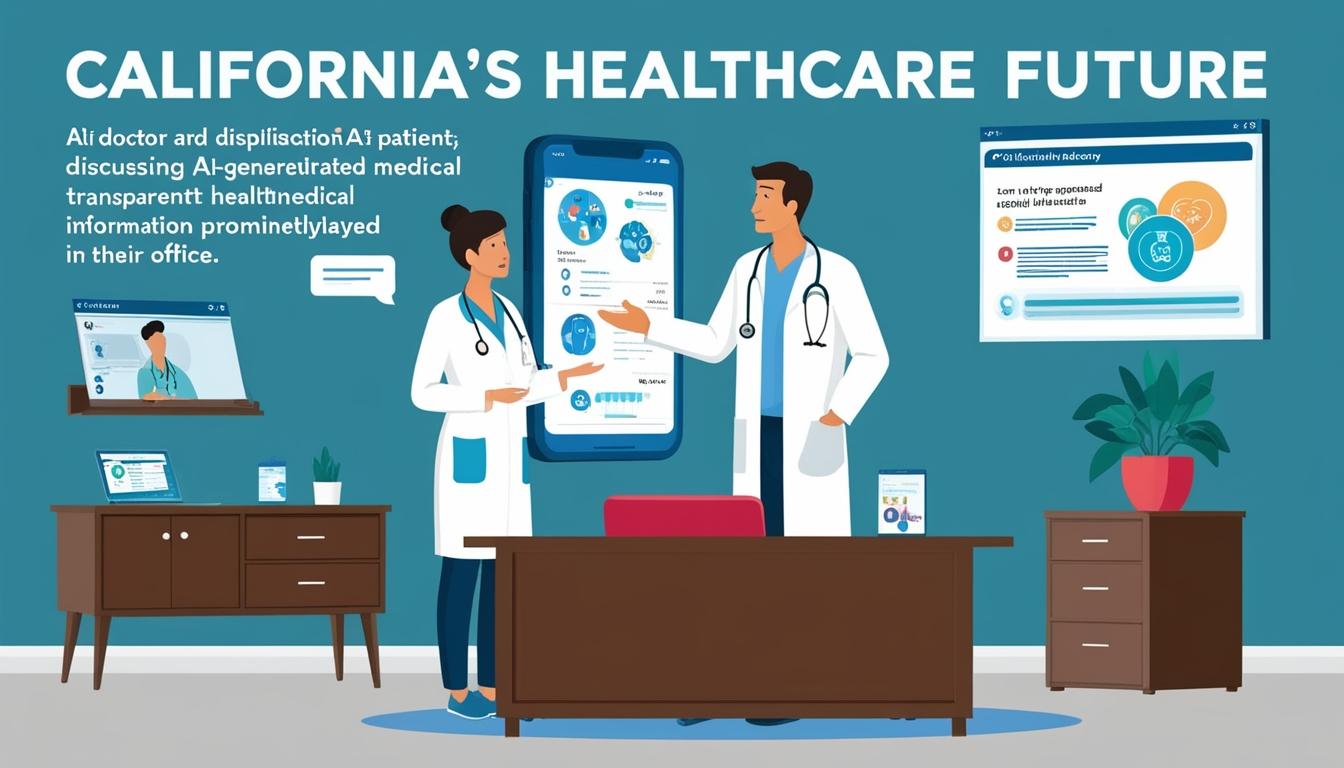
Starting January 1, 2025, AB 3030 mandates that healthcare facilities, including clinics and physician offices, must transparently disclose the use of generative AI when generating written or verbal communications that contain clinical information. The legislation requires that disclosures are prominently displayed at the start or throughout these communications. Additionally, healthcare entities must provide clear instructions for patients to contact a human healthcare provider. Importantly, AB 3030 exempts communications that are reviewed by a healthcare provider from requiring AI use disclosures.
Utilization Review and Management
Effective the same date, SB 1120 introduces changes to California’s Health and Safety Code related to the licensure and regulation of health care service plans and disability insurers. This legislation defines "AI" within healthcare settings and establishes criteria on how AI, algorithms, and other software tools should be used for utilization reviews and management. Specifically, determinations involving medical necessity must be conducted by a licensed healthcare professional who considers individual clinical circumstances and the requesting provider's recommendations before arriving at a decision.
SB 1120 sets forth specific requirements on the permissible use of AI, ensuring it doesn’t solely dictate medical necessity decisions nor discriminate against patients. Covered entities must permit audits and compliance reviews to ensure adherence to these rules. This requirement aligns with new federal policies from the Centers for Medicare & Medicaid Services, which already mandated similar compliance for Medicare Advantage Organizations from January 1, 2024.
AI Training Data Disclosure
Another significant development, AB 2013, requires developers of generative AI systems, publicly available in California since January 2022, to disclose information regarding training data on their websites by January 1, 2026. This stipulation covers primary developers and those who substantially modify AI systems, necessitating detailed data disclosure, including sources, purpose, and the protection of intellectual property rights.
These laws intend to foster greater transparency in how AI systems are trained and utilized, especially within health-related settings. The federal Health Data, Technology, and Interoperability: Certification Program Updates have also introduced similar requirements for predictive decision support interventions, thus creating a parallel at both state and federal levels.
Regulatory Landscape for AI in Healthcare
The introduction of these laws underscores a growing trend toward heightened scrutiny and regulation of AI technologies within the healthcare industry. With both state and federal levels moving in tandem to address potential risks and ensure responsible AI usage, healthcare providers, insurers, and associated vendors must stay abreast of evolving requirements. The Department of Managed Health Care and the Department of Insurance, along with federal bodies, are expected to provide further guidance as these laws are implemented.
This regulatory framework not only affects healthcare providers operating within California but also sets a precedent that could impact nationwide discussions on AI governance, especially within sensitive sectors such as healthcare. As these laws come into effect, the industry will monitor their implementation to gauge their impact on practice standards and patient care.
Source: Noah Wire Services