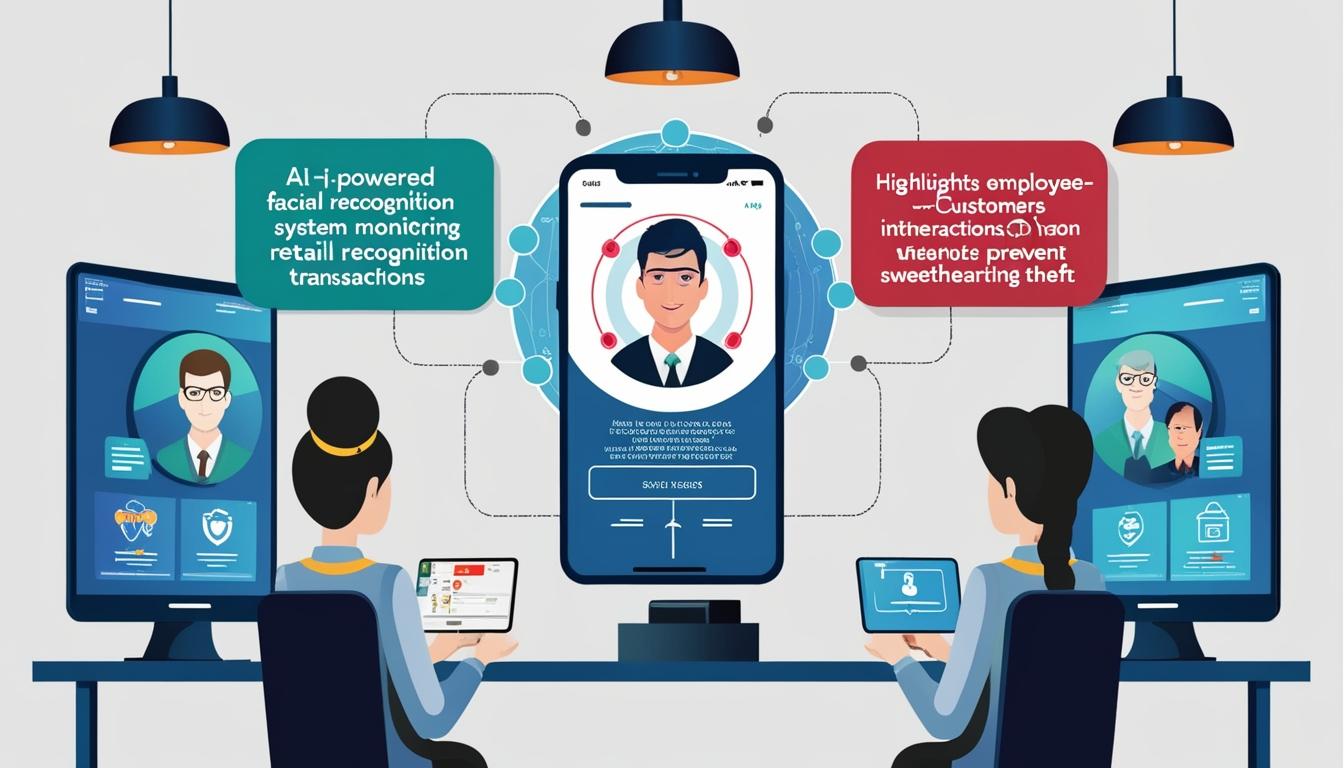
Corsight, a company specialising in facial recognition and artificial intelligence (AI) technologies, has unveiled a new solution aimed at addressing a particular form of retail theft known within the industry as "sweethearting". This involves employees granting unauthorised discounts or free items to friends or known individuals, an issue that has long plagued retail businesses. By leveraging AI and facial recognition, Corsight's solution analyses interactions between employees and customers, identifying unusual patterns that may indicate fraudulent activity. These potential violations are flagged for further review by the retailer's security teams.
This solution is part of Corsight's broader AI-powered retail security suite. The comprehensive system is also equipped to detect individuals on security watchlists, manage access to restricted areas, and monitor for loitering that might be linked to theft. These features aim to provide retailers with a robust mechanism for enhancing security and reducing losses attributable to both internal and external threats.
The use of facial recognition technology in security is not new and continues to expand across various industries. In an unrelated deployment, tech giant Google has incorporated facial recognition at one of its office sites to bolster security. The system captures facial data through internal security cameras, which is then compared against employee badge images to identify and prevent entry by unauthorised individuals. A Google spokesperson highlighted the ongoing efforts over the years to enhance safety for its workforce and premises through innovative security measures.
Conversely, some companies are taking a cautious approach toward the use of facial recognition by law enforcement. In May, Microsoft made a significant policy decision by prohibiting police departments from utilising its Azure OpenAI Service for facial recognition purposes. This policy reflects a mandate in their code of conduct that delineates the service's intended usage parameters, expressly excluding its application in police-related facial recognition activities within the United States.
In the realm of retail, facial recognition technology is also streamlining consumer experiences. In January, the eCommerce company Bold Commerce launched "Bold Checkout", a biometric checkout system that permits customers to use their facial and vocal recognition to autofill purchase information. This system addresses consumer demands for faster and more seamless shopping transactions by reducing dependence on password-protected accounts, which can introduce friction and security vulnerabilities.
As the deployment of facial recognition technology continues to evolve, its applications across different sectors highlight its potential to enhance security, streamline processes, and influence corporate policies on technology use and ethical considerations. This multifaceted approach is exemplifying the broader technological shift towards integrated AI solutions in both public and private sectors.
Source: Noah Wire Services