Cruise Lines Forge Ahead: Establishing Private Destinations in the Caribbean
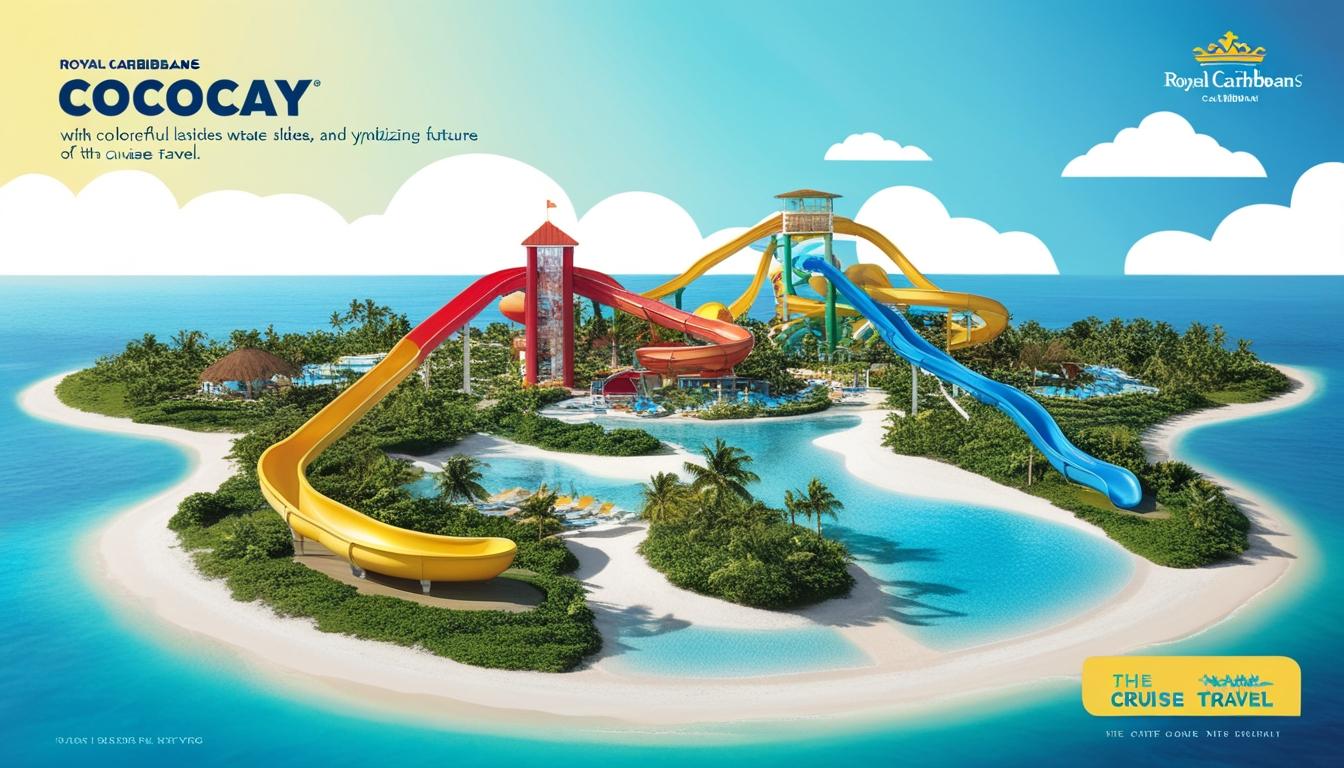
Cruise operators have taken a significant strategic turn towards developing private destinations in the Caribbean, a move led by Royal Caribbean Group which has seized the attention of both investors and vacationers. This trend emerged notably in 2019 when Royal Caribbean launched the "Perfect Day at CocoCay," a private amusement park-like destination in The Bahamas. This initiative has reportedly fostered faster revenue growth, prompting major competitors like Carnival Corp and Norwegian Cruise Line Holdings to follow suit.
Royal Caribbean's investment of $250 million in CocoCay has yielded impressive financial returns, with a 43% increase in ticket revenues and a 34% rise in expenses. The enhanced revenue profile is attributed to retaining passenger fees and taxes, which would otherwise be paid to local governments if the ships docked at public ports. Bob Levinstein, CEO of Cruise Compete, notes this revenue retention as a substantial advantage.
With the bar set high, other cruise giants are keen to reproduce this success. Carnival has announced plans to inject $600 million into developing Celebration Key in Grand Bahama, underscoring the profitability of private island investments. According to the company's CFO, David Bernstein, the returns from projects like Celebration Key rival those of constructing new ships.
Royal Caribbean's ambitious expansion doesn't stop there; it has earmarked over $650 million for upcoming private destinations in Mexico's Mahahual and the Bahamas, among others, with openings scheduled between 2025 and 2027. Similarly, Norwegian Cruise Line announced its $150 million development of a new pier on its Great Stirrup Cay in the Bahamas.
These investments align with the increased attraction of cruise vacations, especially post-COVID-19, as more travellers are opting for short excursions to these curated private destinations. According to Tourism Economics, there is a projected 41% increase in passenger capacity for private islands based on 2024 itineraries.
However, this trend might have repercussions on traditional Caribbean destinations. The Caribbean Tourism Organization reported a marked decline in cruise visits to some locations, including a 36% drop to the Cayman Islands in early 2024 compared to pre-pandemic numbers in 2019. Certain destinations like Belize and St. Kitts have seen over a 20% decrease, contrasting the 66.5% increase in cruise visits to the Bahamas during the same period.
From a business strategy viewpoint, cruise lines value private destinations for the control they offer over the customer experience and revenue generation. Royal Caribbean highlighted that destinations like CocoCay have become their most favoured among cruise guests. Furthermore, the company is leveraging AI technology to refine pricing strategies, ensuring they maximise potential earnings while aligning with customer demand.
Notably, the cruise industry has noted a demographic shift with a significant uptick in younger and first-time cruisers. This trend, coupled with substantial advance bookings for 2025, suggests confidence in the sector's robust future.
From a financial perspective, Royal Caribbean indicates that consumer spending on cruise vacations is outpacing other leisure activities, buoyed by strong economic indicators like wage growth and low unemployment in the US. Such financial health has also allowed the company to strengthen its balance sheet by refinancing $3.5 billion in debt, setting a firm foundation for ongoing expansion.
As the race heats up among cruise lines to capture market share through private destination offerings, the Caribbean's travel landscape may continue to evolve, creating both opportunities and challenges for traditional and emerging destinations alike.
Source: Noah Wire Services