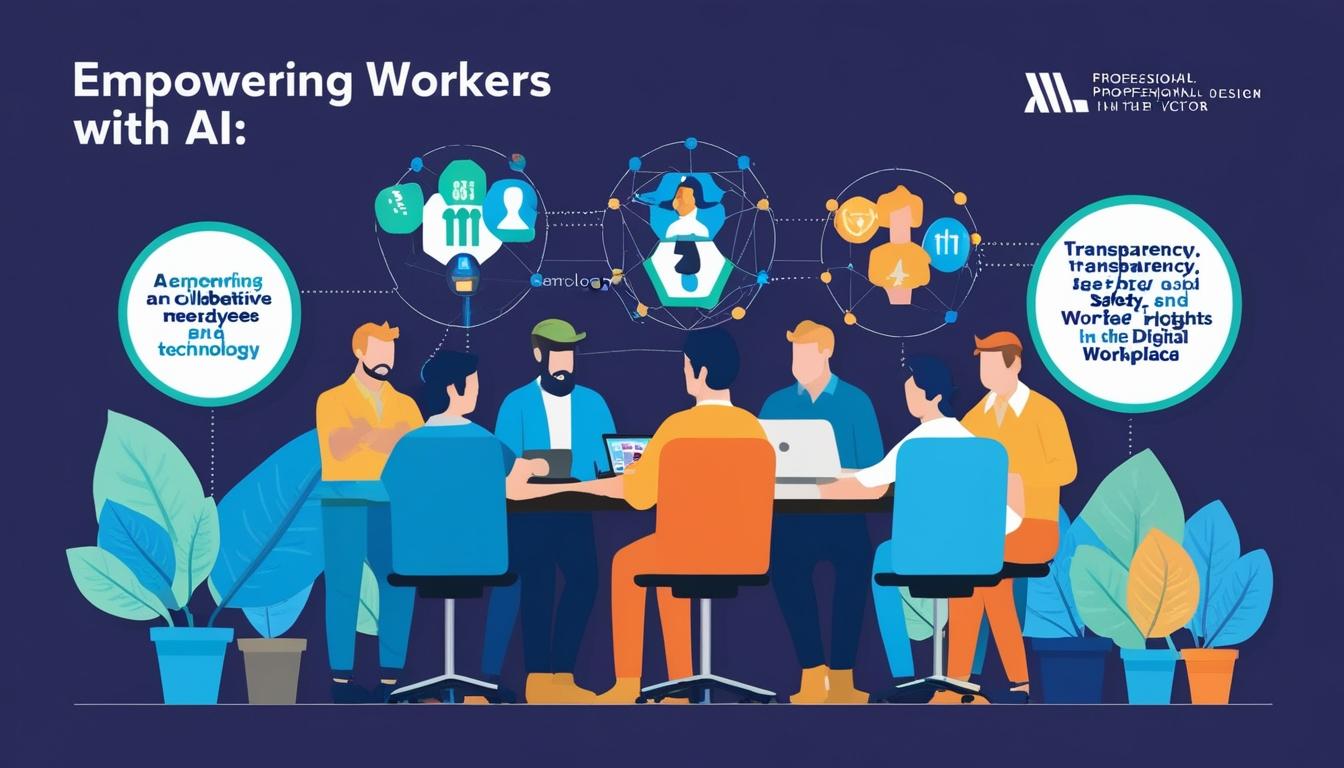
On October 16, 2024, the United States Department of Labor (DOL) released comprehensive guidelines aimed at regulating the use of artificial intelligence (AI) within the workplace. This initiative comes in response to President Joe Biden's executive order that advocates for the safe, secure, and trustworthy development and application of AI technology. While these guidelines are not enforceable laws, they are designed to provide employers with a framework to navigate the complex integration of AI, ensuring compliance with enduring legal standards.
The document introduces eight key principles that anchor the guidelines. At the forefront is the emphasis on "centering worker empowerment," termed by the DOL as the “North Star” principle. This directive encourages active worker involvement in the AI systems planned for workplace use. It envisions a collaborative development process where workers contribute to the design, testing, training, management, and supervision of these AI systems.
Another significant recommendation within the guidelines is the ethical development and governance of AI tools. The DOL suggests that the creation and application of AI should prioritize worker protection. It underscores the importance of ongoing evaluation and auditing of AI systems to maintain productivity while minimising potential harm to employees.
Moreover, the guidelines stipulate that AI usage should not be autonomous. Human oversight is crucial, especially in sensitive areas like hiring, where AI may offer suggestions, but a human should make the final decisions. Transparency with workers and job applicants about AI roles and usage within the organisation is also highly emphasized. Companies are encouraged to regularly disclose the outcomes of their AI assessments, reinforcing accountability.
The final cluster of guiding principles presents a proactive framework for safeguarding workers' rights. Ensuring that AI does not infringe on fundamental worker rights, such as the right to organise, workplace safety, wage fairness, and protection from discrimination and retaliation, is paramount. The guidance highlights that AI should augment rather than replace human employment, promoting training and transition programs for workers affected by AI implementation.
In terms of data privacy, the document stresses the responsible use of worker data, advising that only necessary data should be collected. Moreover, such data should be handled with confidentiality akin to other sensitive information held by employers.
While the DOL's guidelines serve as voluntary advice at present, they might indicate future regulatory directions in the realm of workplace AI. Employers taking note of these recommendations could position themselves advantageously should the DOL translate these principles into formal regulations. This initiative marks a significant step in balancing technological advancements with employee rights and welfare, ensuring that AI contributes positively to the modern workplace landscape.
Source: Noah Wire Services